China is a country of contrasts, from the snowy mountains of Xinjiang in the north to the bustling streets of Shanghai, the ancient history of Xi'an, and the lush rice terraces around Yuanyang in the south, the country offers a feast for the senses at any time of year. However, not all seasons provide the same experience. Some periods can make travel more challenging due to heavy crowds, extreme weather, or temporary service limitations.
If you want a smoother journey, with shorter queues, more comfortable weather, and a quieter atmosphere, it helps to plan around the busiest periods. This guide explains when you may want to avoid visiting China, why these dates can be challenging, and what travel conditions are actually like during those times.
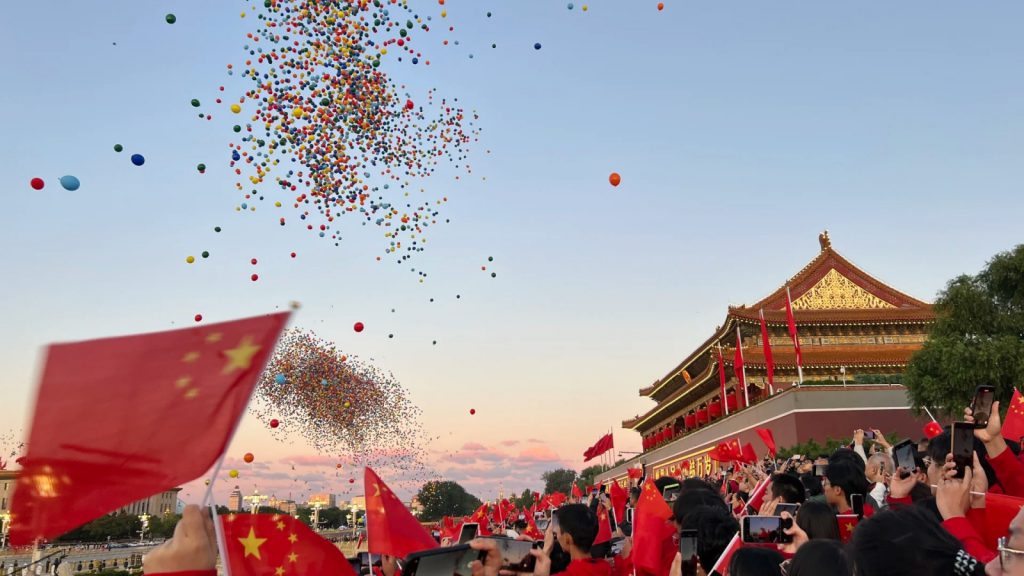
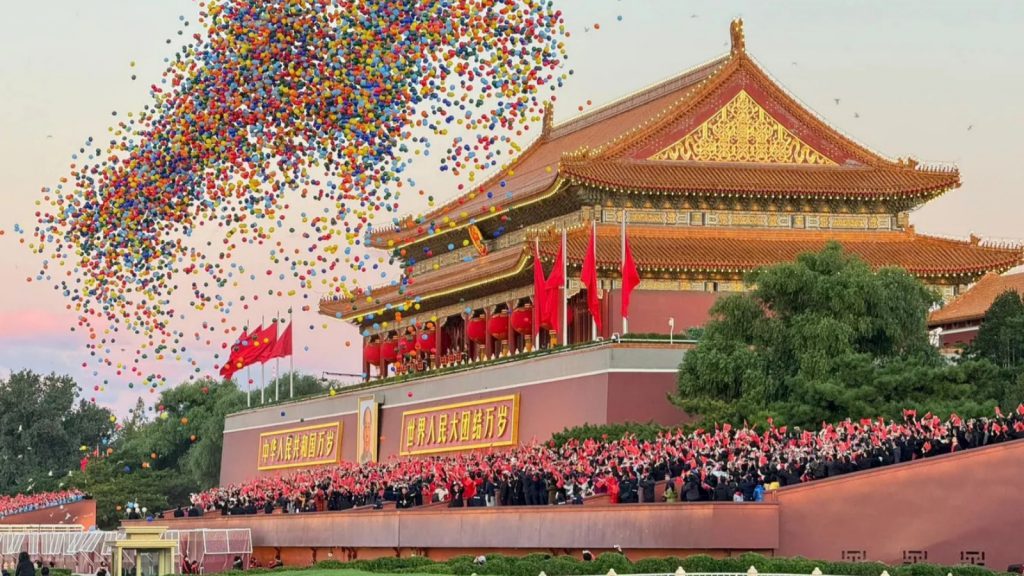
National Day Flag-Raising Ceremony at Tiananmen Square
Major Holiday Periods
China's national holidays are vibrant and festive but also some of the busiest travel periods. Cities, trains, and highways can be packed with travelers, making sightseeing more tiring than relaxing.
1. The Spring Festival (Chinese New Year)
- When: Typically late January to mid-February (dates vary according to the lunar calendar).
This is the most important traditional festival in China. Known as the largest annual human migration, with millions returning home to celebrate with family. Many restaurants, shops, and smaller attractions temporarily close.
- What it feels like: The cities are busy with festive decorations, fireworks, and temple fairs. Trains and airports are crowded, high-speed rail tickets sell out within seconds of release, and flights are priced at their absolute peak, making spontaneous travel nearly impossible. But the holiday atmosphere offers a rare glimpse into traditional Chinese culture—lanterns and dragon dances everywhere.
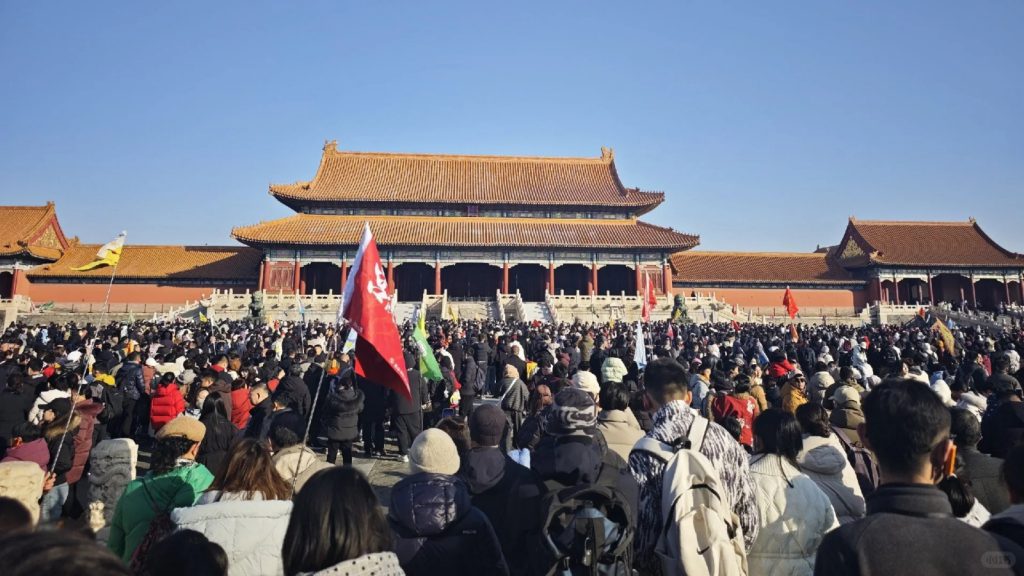
The Forbidden City in Beijing during Spring Festival, absolutely packed with visitors.
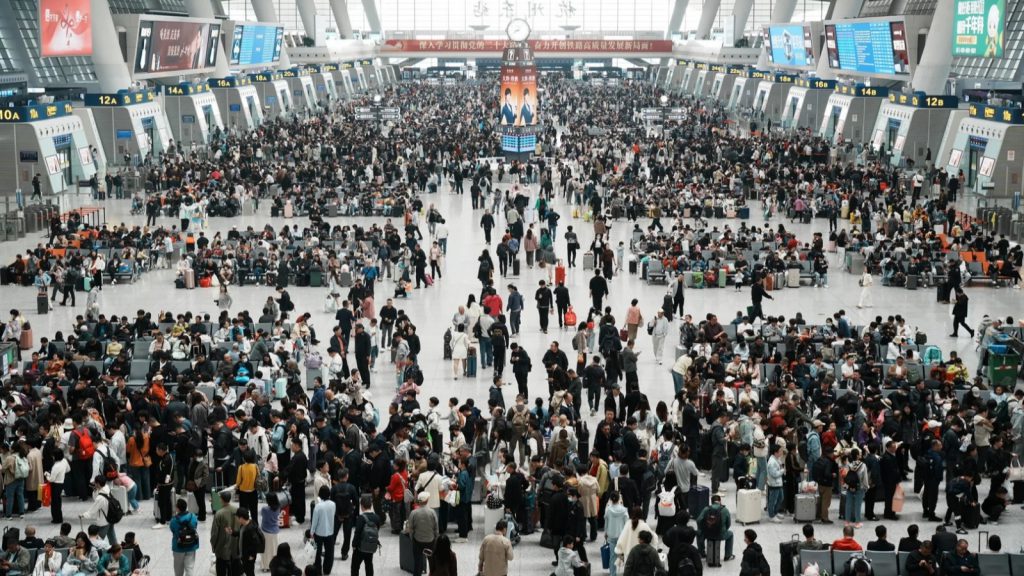
During the Spring Festival, high-speed rail stations face huge crowds and sold-out tickets.
For those who enjoy cultural immersion, it can be unforgettable, though careful planning is essential.
2. Chinese National Day (Golden Week)
- When: October 1st to October 7th every year.
Golden Week celebrates the founding of the People's Republic of China, and millions of people travel domestically for sightseeing or family visits. Popular tourist cities, scenic spots, and high-speed rail lines become extremely crowded.
- What it feels like: In Beijing, visiting the Forbidden City can feel like navigating a river of people. In Shanghai, hotel prices often rise significantly during this week. Even normally peaceful scenic spots can feel very busy, and securing tickets or accommodation all need to be booked well in advance.
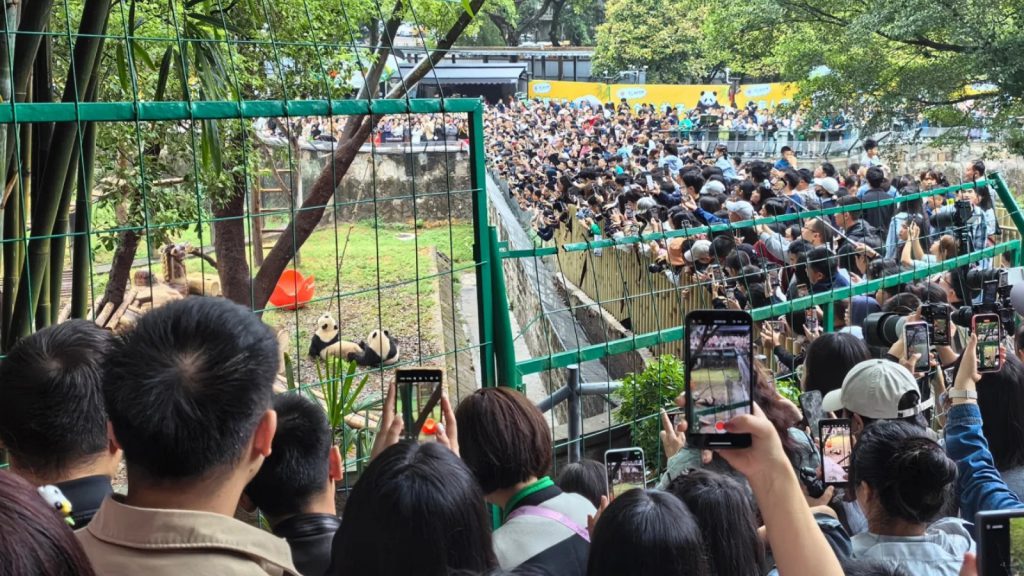
The crowds at Chongqing Zoo during National Day, all eager to see the giant pandas.
Short Domestic Holiday Weekends
Even shorter holidays can cause temporary spikes in travel, especially near popular cities (Beijing, Xi'an, Shanghai, Chongqing, etc.)
1. Labor Day Holiday
- When: May 1–5 of each year.
- What it feels like: Often acting as a "mini Golden Week," domestic travel increases sharply during this short holiday. Tourist attractions near Shanghai, such as nearby water towns, can feel unexpectedly crowded, and hotels in the city may be fully booked.
2. Dragon Boat Festival
- When: Usually in May or June (Dates vary according to the lunar calendar).
Known as Duanwu, this holiday celebrates ancient poets and river dragons with sticky rice dumplings (zongzi) and boat races.
- What it feels like: In Guilin, for example, river cruises along the Li River can be crowded with tourists trying to watch the festivities and enjoy the scenic views. Cities like Hangzhou and Suzhou see busy streets and popular gardens filled with visitors. While the festival offers a unique cultural experience, navigating attractions can take longer than usual.
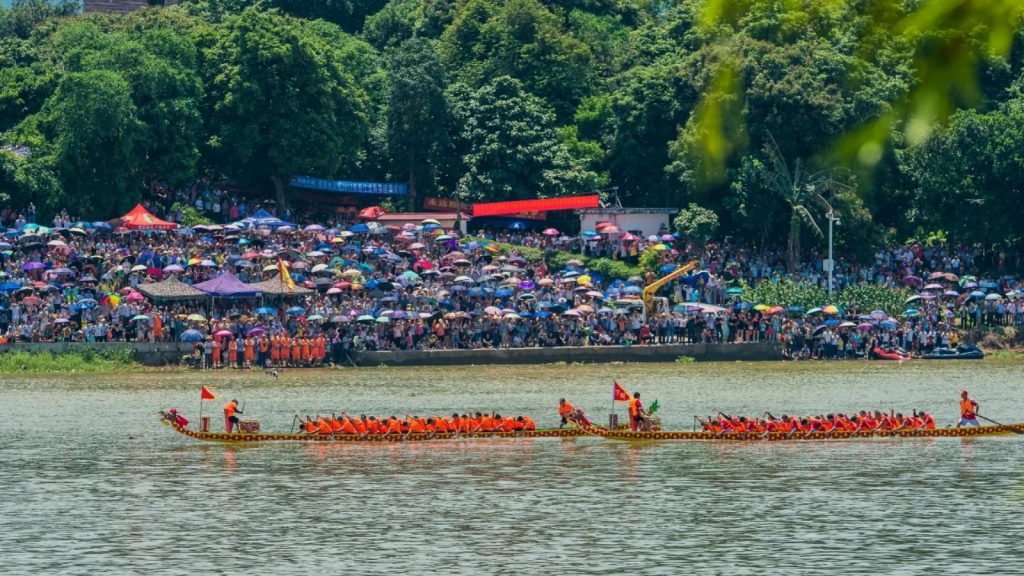
A traditional dragon boat race with teams on the river and spectators along the shore.
3. Mid-Autumn Festival
- When: September or October (dates vary according to the lunar calendar).
Mid-Autumn Festival is a family-oriented holiday for moon-gazing, eating mooncakes, and celebrating with relatives. Many people travel to visit family or take short vacations, particularly to scenic countryside and city parks.
- What it feels like: In Beijing's Houhai area or the Summer Palace, evenings are lively, with lanterns, street performers, and crowds enjoying the full moon. In southern cities such as Guangzhou, parks and riverside promenades can feel busy as locals and visitors gather for family outings. Travelers should expect higher hotel occupancy and crowded public transportation during this period.
Quick Reference Table of Busy Periods
Holiday/Season | When | Challenges | Cities to Expect Crowds |
Spring Festival | Jan–Feb | Extremely crowded, sold-out transport | Beijing, Shanghai, Guangzhou |
Golden Week | Oct 1–7 | Hotels surge, busy attractions | Beijing, Shanghai, Xi’an |
Labor Day | May 1–5 | Mini Golden Week, crowded attractions | Shanghai, Suzhou |
Dragon Boat | May–June | Festivals, crowded parks | Guilin, Hangzhou |
Mid-Autumn | Sep–Oct | Short holiday, busy evenings | Beijing, Guangzhou |
Tibet Restricted | Feb 15–Mar 31 | Foreigners cannot enter | Lhasa, Yamdrok Lake |
Climate and Regional Travel Challenges
Weather in certain regions can affect your comfort during travel.
Northern China Midwinter
- When: December–February
- Why: Cities like Xinjiang's Urumqi experience extreme cold, sometimes below -20°C (-4°F).
- What it feels like: Snowy streets and frozen landscapes are visually stunning, but outdoor sightseeing can be uncomfortable. Winter festivals, such as Harbin’s Ice and Snow Festival, offer a unique experience for those prepared for the cold.
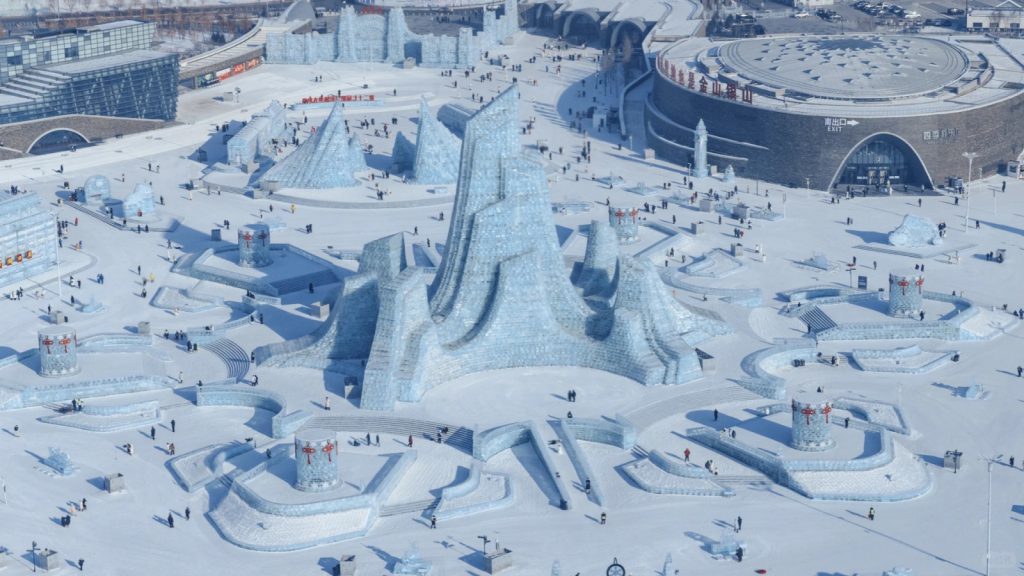
Aerial view of the spectacular Harbin Ice and Snow World.
Southern China Rainy Season
- When: May–June
- Why: Cities like Guilin and coastal regions face prolonged rainfall and high humidity.
- What it feels like: Misty landscapes and green scenery can be enchanting, but sudden downpours may disrupt outdoor plans, and some trails or boat rides may be temporarily closed. Carrying an umbrella or raincoat is recommended.
Tibet (High-Altitude Travel)
- When: December–February
- Why: Tibet's high-altitude weather can be harsh, with freezing temperatures and occasional road closures.
Special Note: Additionally, from mid-February to late March, Tibet does not permit foreign tourists, so international travelers cannot visit during this period.
Outside this restricted window, taking a essence tour of Lhasa or trekking around Yamdrok Lake is breathtaking. The remote landscapes and spiritual atmosphere are unique, but travelers should plan carefully for altitude acclimatization and road conditions.
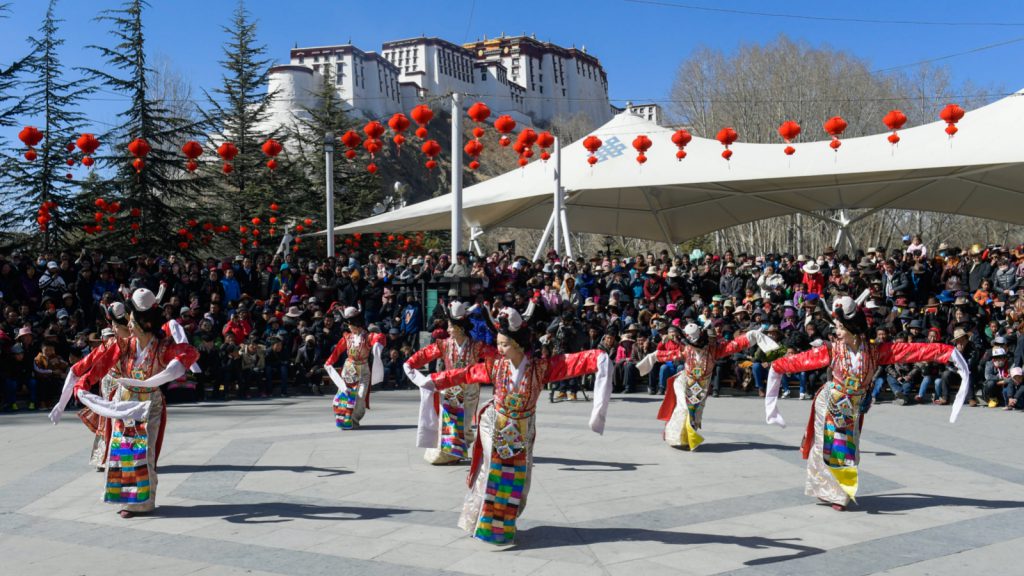
Traditional dance performance during the Tibetan New Year celebrations in Xizang, with the iconic Potala Palace in the background.
Travel Tips for Visiting During Busy or Challenging Periods
Even if you travel during peak holidays, extreme weather, or restricted seasonal periods, there's no need to worry, careful planning can still ensure a smooth and uniquely rewarding experience.
Book Everything in Advance
Train tickets, flights, hotels, and attraction tickets often sell out weeks or months ahead during peak periods like Spring Festival or Golden Week.
Use official booking apps or local travel agencies to secure tickets early.
Choose Less Crowded Alternatives
Secondary attractions, local neighborhoods, or nearby towns often provide a more relaxed experience. During Labor Day, instead of crowded Zhujiajiao, travelers can explore smaller water towns near Suzhou or wander the historic alleys of Chongqing. Similarly, during Dragon Boat Festival in Guilin, a morning Li River cruise can be much quieter than midday boat tours.
Prepare for Weather Conditions
Bring an umbrella, raincoat, or layered clothing depending on the season. In Guilin and Yangshuo during the summer rainy season, sudden downpours are common, so waterproof gear is essential for Li River cruises or hiking. In Xinjiang during winter, heavy coats, gloves, and hats are necessary to enjoy outdoor sightseeing safely.
Use Technology to Navigate Crowds
Apps like Didi (for taxis), Ctrip/Trip.com (for transport), and local maps help track real-time congestion. In Xi'an, these tools can help you plan the best times to visit the Terracotta Warriors, avoiding the longest queues.
Travel With Family or Seniors Considerately
Avoid long, physically demanding itineraries. Focus on fewer destinations or shorter sightseeing periods.
Check for Special Restrictions
For Tibet, foreign tourists cannot enter from mid-February to late March, so international travelers must plan accordingly. Travelers planning a Sichuan-Tibet overland route should verify Tibet travel permits and road conditions in advance.
Enjoy the Cultural Experience
Even in crowded or rainy conditions, holidays are an opportunity to experience local culture and traditions. Watching Dragon Boat races from a quiet riverside cafe in Guilin, observing lantern displays in Beijing, or attending a temple fair during Spring Festival allows you to enjoy the festivities atmosphere.
There is no "wrong" time to visit China. Each season offers unique attractions—from winter festivals in the north to spring blossoms in the south and autumn foliage in the mountains. The key is understanding when crowds or extreme weather might affect your experience.
Even during busier times, China's rich culture, stunning landscapes, and warm hospitality will make your journey truly unforgettable. So don't let the calendar hold you back, start planning your Chinese adventure and create experiences that will stay with you for a lifetime.