Why Use These Itineraries?
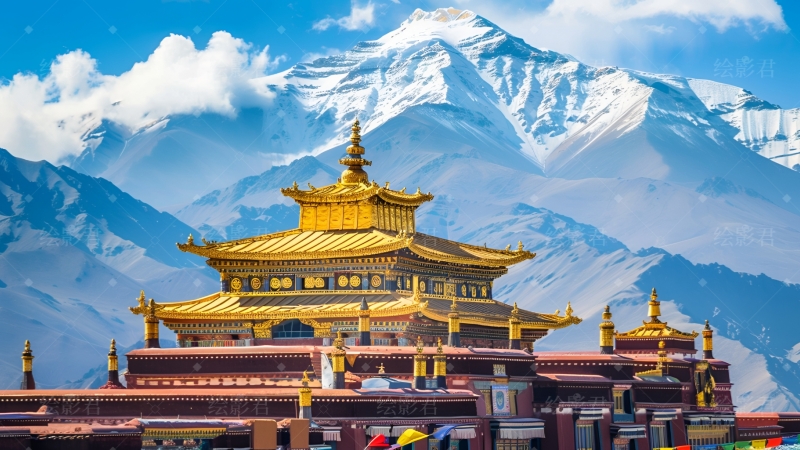
Tibet is one of China's most spiritually significant and geographically extraordinary regions, often serving as a highlight of in-depth cultural and adventure travel programs. As your Tibet ground handling service provider, we ensure smooth arrivals in Lhasa, proper altitude acclimatization support, and seamless coordination across monasteries, sacred landmarks, and both flight and overland routes. Due to its sensitive environment and strict travel regulations, Tibet requires careful management of travel permits, controlled access to key sites such as the Potala Palace, Jokhang Temple, and major monasteries, as well as close attention to altitude conditions and seasonal restrictions. Without proper planning, these factors can easily affect the overall travel experience. As your Tibet DMC, we remove these complexities through professional permit handling, knowledgeable local guides, and carefully designed itineraries—ensuring safe, well-organized, and meaningful journeys across the Tibetan Plateau.
Highlights
- Visit the iconic Potala Palace, a UNESCO World Heritage Site and symbol of Tibetan Buddhism.
- Explore the sacred Jokhang Temple, the spiritual heart of Tibet filled with devoted pilgrims.
- Walk along Barkhor Street, experiencing authentic Tibetan culture, local markets, and traditional pilgrimage routes.
- Discover the historic Drepung Monastery, once the largest monastery in Tibet.
- Witness the lively monk debates at Sera Monastery, a unique cultural tradition.
Detailed Itinerary
-
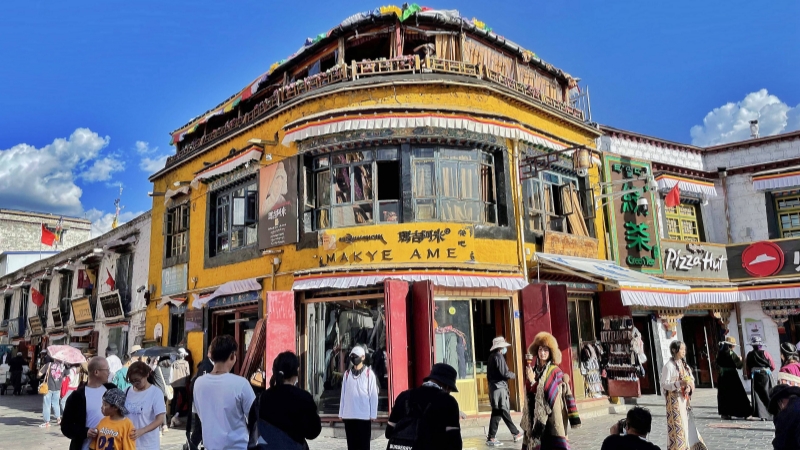
Barkhor Street Upon arrival at Lhasa Airport or Train Station, you will be warmly greeted by your guide and transferred to your hotel in the city.
Enjoy a scenic drive along the Yarlung Tsangpo and Lhasa River valleys, offering your first glimpse of Tibet's breathtaking plateau landscapes. The rest of the day is reserved for rest and acclimatization to the high altitude (3,650m), allowing your body to adjust comfortably.
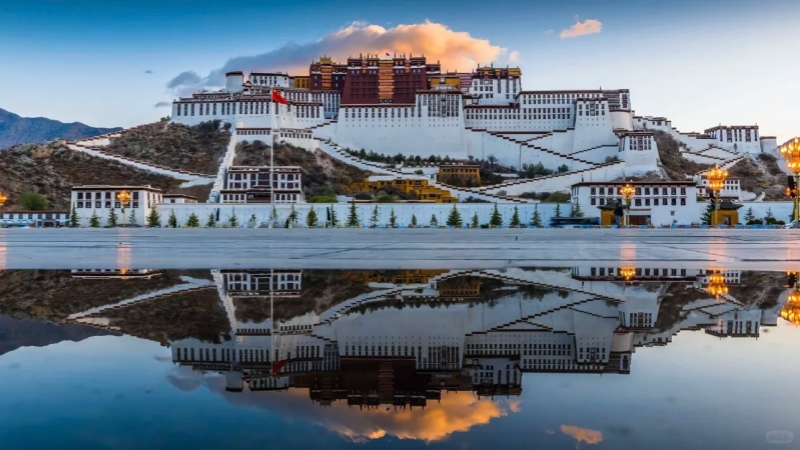
Potala Palace Begin your journey with a visit to the magnificent Potala Palace, the world-famous winter residence of the Dalai Lama and a UNESCO World Heritage Site. Explore its grand halls, sacred chapels, and panoramic views over Lhasa.
Continue to the spiritual heart of Tibet, the Jokhang Temple, the most sacred temple in Tibetan Buddhism, where pilgrims from across Tibet gather to pray.
Afterwards, walk through Barkhor Street, a vibrant pilgrimage circuit filled with prayer wheels, local markets, and traditional Tibetan life.

Norbulingka Park in Autumn After breakfast, visit the peaceful Norbulingka Park, the former summer palace of the Dalai Lama, known for its beautiful gardens and tranquil atmosphere.
Continue to the grand Drepung Monastery, once the largest monastery in Tibet, offering impressive hillside architecture and deep Buddhist heritage.
In the afternoon, explore Sera Monastery, famous for its lively monk debates held in the courtyard—one of the most unique cultural experiences in Lhasa.
Return to the city for a relaxing evening.
Enjoy a relaxed morning in Lhasa before your transfer.
Depending on your schedule, you will be taken to the airport or train station for your onward journey, marking the end of your memorable Tibet experience.