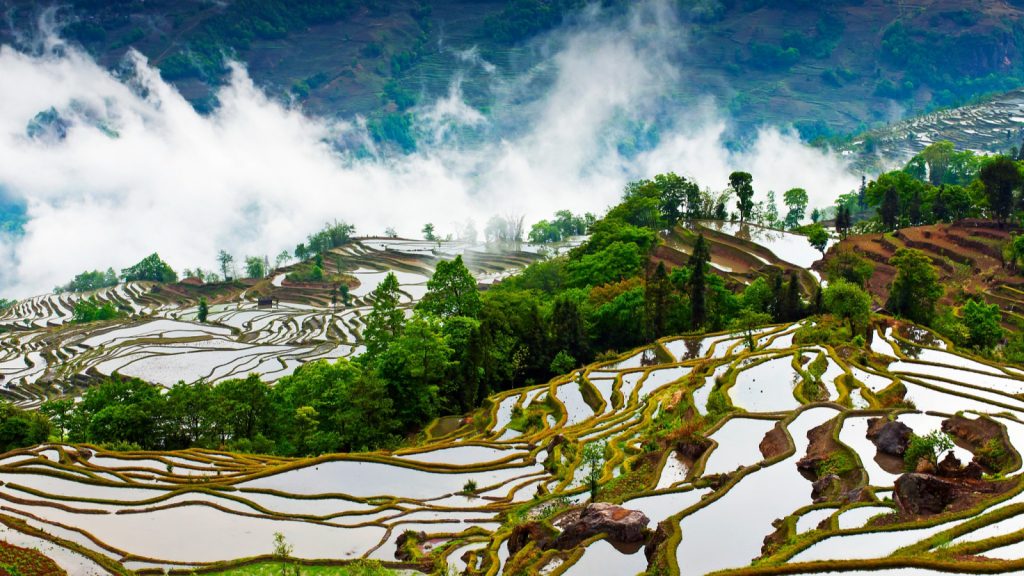
Hidden deep in the mountains of southern Yunnan, lies a region that feels very different from China's modern megacities. Roads wind through mist-covered valleys, small villages cling to steep hillsides, and life still follows the rhythm of the seasons. This is Yuanyang — a place known not only for its famous landscapes, but also for its deep cultural traditions, ethnic diversity, and slow, peaceful atmosphere.
Yuanyang offers a completely different side of China from major cities like Beijing, Shanghai, or Chengdu. Instead of skyscrapers and busy shopping districts, travelers discover mountain scenery, traditional Hani villages, local markets, forested hills, and centuries-old farming culture. The journey itself becomes part of the experience, leading visitors deep into one of Yunnan's most visually remarkable regions.
This guide covers everything you need to know before planning a trip, including transportation, best viewpoints, where to stay, local culture, itineraries, and practical travel tips.
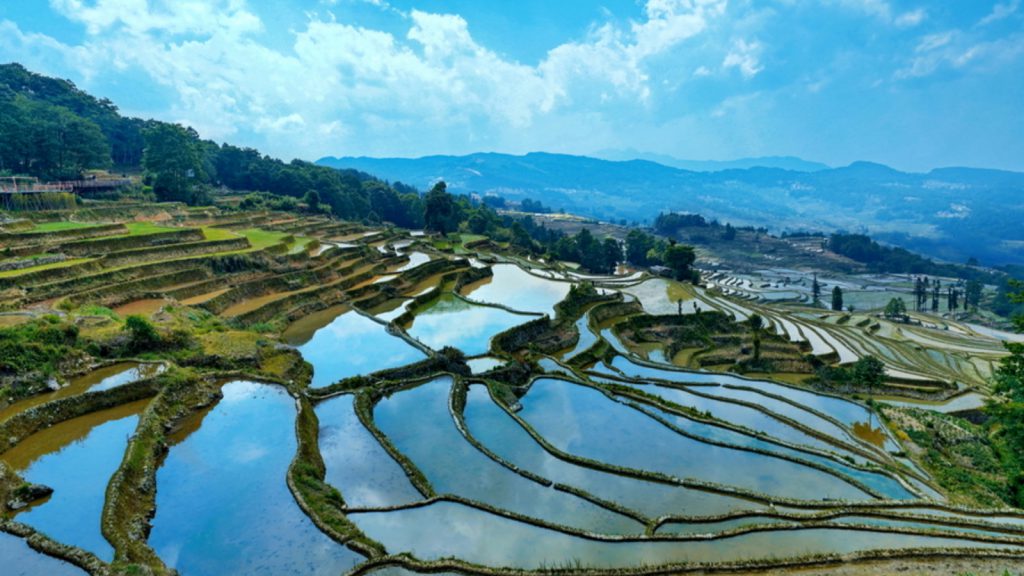
Yuanyang Rice Terraces
Where Is Yuanyang?
Yuanyang is located in Honghe Prefecture in southern Yunnan Province, the area lies roughly 300 kilometers south of Kunming, the provincial capital. Surrounded by mountains, forests, rivers, and traditional villages, the region is known for its remote beauty and rich ethnic culture.
The region is mountainous, with villages and viewpoints spread across different elevations. Roads wind through valleys, forests, rice terraces, and traditional settlements, creating some of the most scenic drives in Yunnan.
Despite its growing popularity among photographers and adventurous travelers, Yuanyang still feels relatively untouched and peaceful compared with Compared with destinations like Lijiang or Dali.
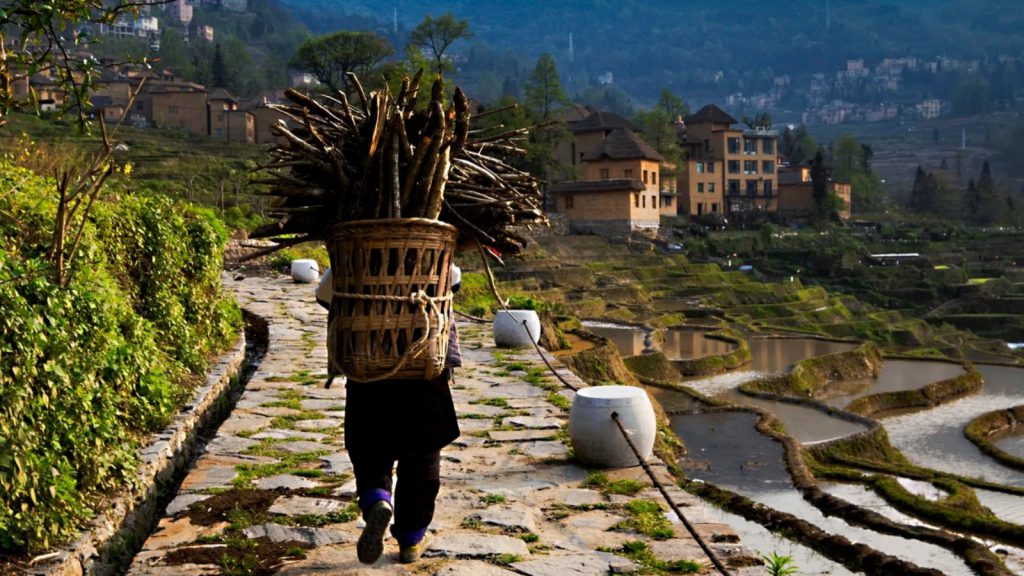
Yuanyang Village
Why Yuanyang is Worth Visiting?
Unlike many popular tourist destinations in China, Yuanyang's villages remain active farming communities, where local markets serve residents and traditional Hani culture continues as a natural part of daily life rather than a performance for tourists.
The region is especially famous for:
- Massive mountain rice terraces
- Traditional Hani ethnic villages
- Spectacular sunrise and sunset views
- Seasonal reflections in water-filled terraces
- Misty mountain landscapes
- Hani culture
- Local food and traditional markets
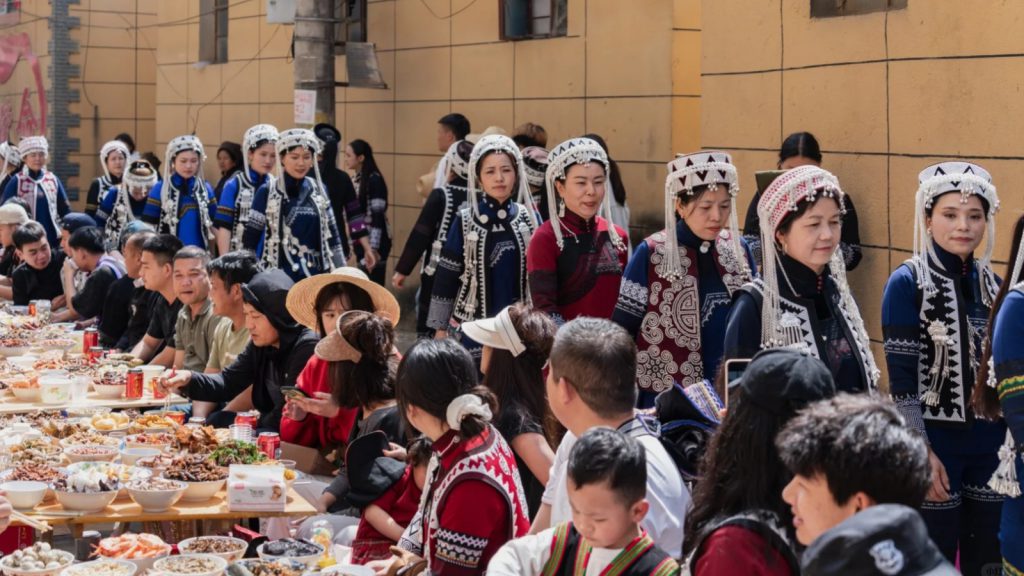
Yuanyang Hani Long Street Banquet
What makes Yuanyang memorable is not just a single attraction, but the atmosphere of the entire region. Many travelers spend hours simply watching changing light move across the mountains.
Best Time to Visit Yuanyang
The scenery changes dramatically throughout the year, so the best season depends on what travelers want to see.
November to March — Best Overall Season
This is considered the best time for most visitors.
After harvest season, the terraces are filled with water, creating mirror-like reflections that reflect the sky, clouds, sunrise, and sunset. Cool temperatures and morning mist also create ideal photography conditions.
📸January and February are especially popular among photographers.
April to June — Green Terrace Season
Young rice plants begin growing, transforming the mountains into vibrant green layers.
👉This season is suitable for travelers who prefer more lush scenery.
July to September — Lush Summer Landscapes
Summer brings thicker vegetation and dramatic cloud formations, although rain is more common.
Mountain scenery can look especially atmospheric after rainfall.
October — Golden Rice Fields
Before harvest season, some terraces turn golden, creating warm autumn colors across the hillsides.
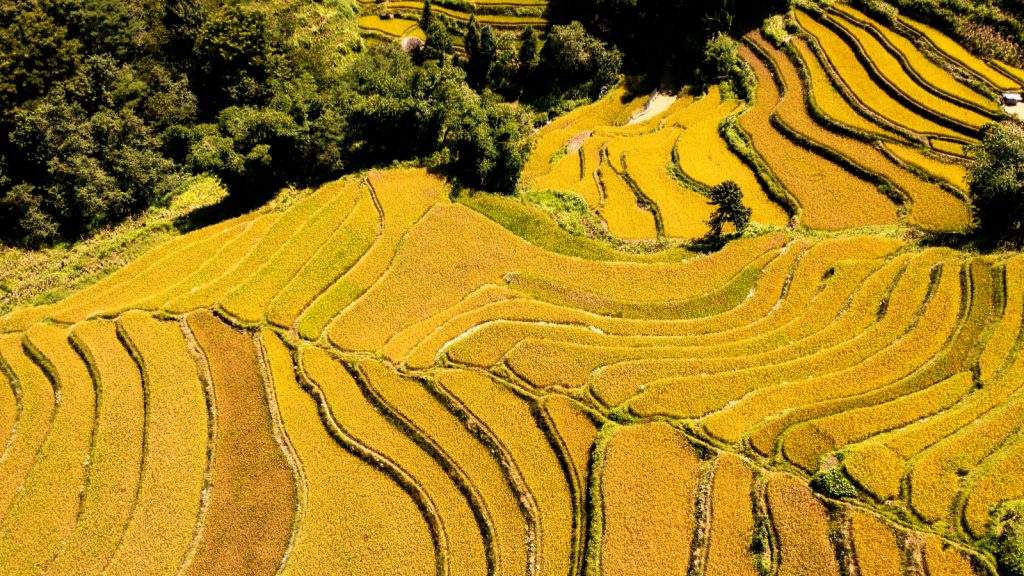
Yuanyang Rice Terraces in October
The Famous Yuanyang Rice Terraces
The most iconic attraction in the area is undoubtedly the Yuanyang Rice Terraces, a UNESCO World Heritage Site created over centuries by the Hani people.
Stretching across massive mountain slopes, the terraces appear almost endless. During the winter and early spring months, many fields are filled with water, turning the hills into giant reflective mirrors that change color with the light and weather.
At sunrise, clouds and mist often drift through the valleys while sunlight slowly spreads across the terraces. At sunset, the reflections become golden and dramatic. The scenery constantly changes depending on season, weather, and time of day.
Rather than a single viewpoint, the terraces cover a huge area, with different villages and observation points offering completely different perspectives.
Best Places to Visit in Yuanyang
From dramatic terrace viewpoints to traditional Hani villages, these are the highlights you should not miss in Yuanyang.
Duoyishu Terrace
- Duoyishu is the most famous sunrise viewpoint in Yuanyang.
Early morning fog often floats between the terraces while sunlight slowly illuminates the mountains. Photographers usually arrive before dawn to secure good viewing positions.
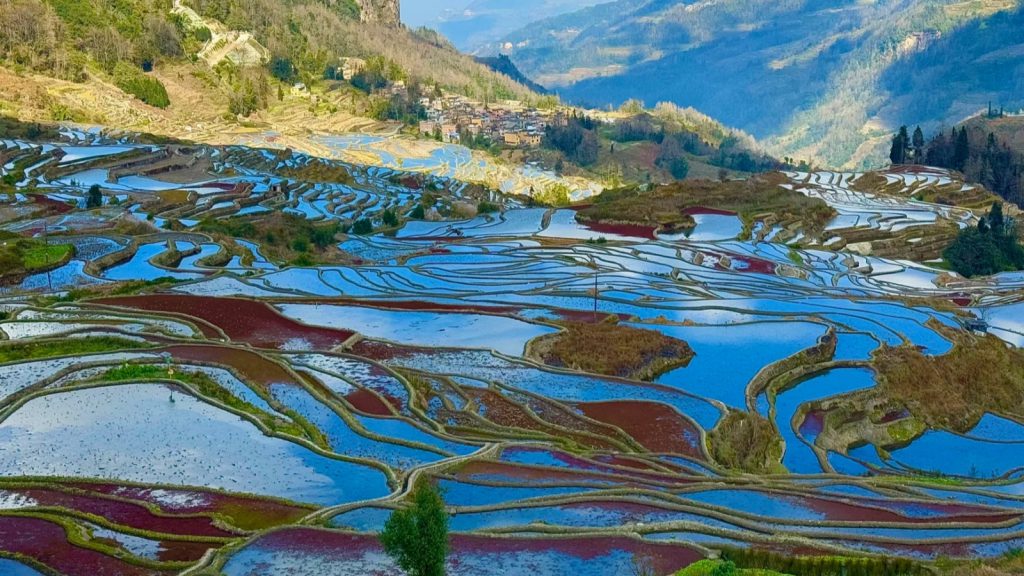
Duoyishu Terrace
Bada Terrace
- Known for its wide panoramic terrace views and beautiful sunsets.
The layered curves of the terraces are especially striking during evening light.
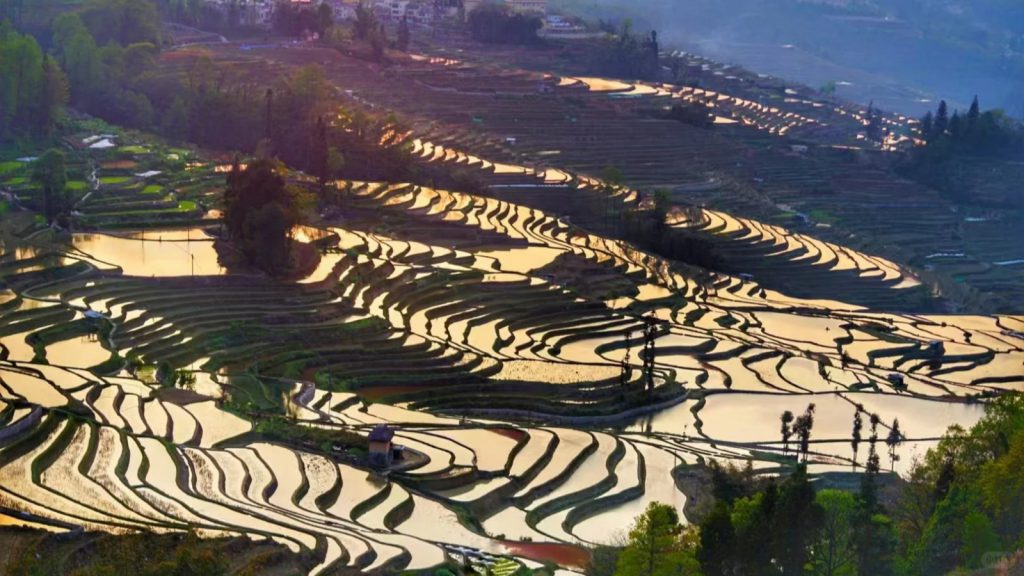
Sunset of Bada Terrace
Laohuzui Terrace
Also called "Tiger Mouth", offers some of the steepest and most dramatic terrace landscapes in the region. The terraces appear almost sculptural as they curve along the mountainsides.
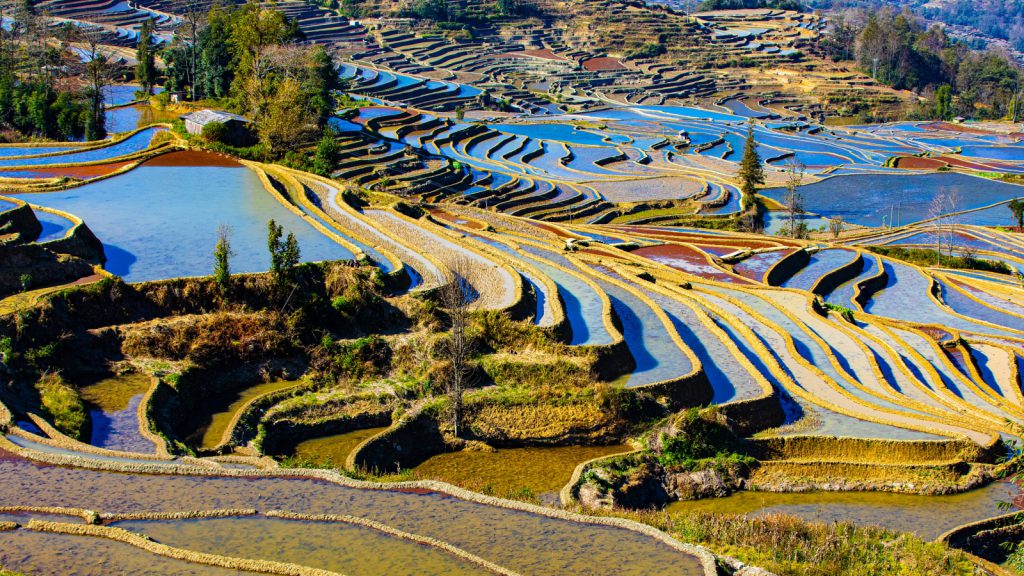
Laohuzui Terrace
Qingkou Hani Village
This traditional village gives visitors a closer look at Hani culture and architecture. Mushroom-shaped houses, narrow stone paths, and nearby forests create a very different atmosphere from modern Chinese cities.
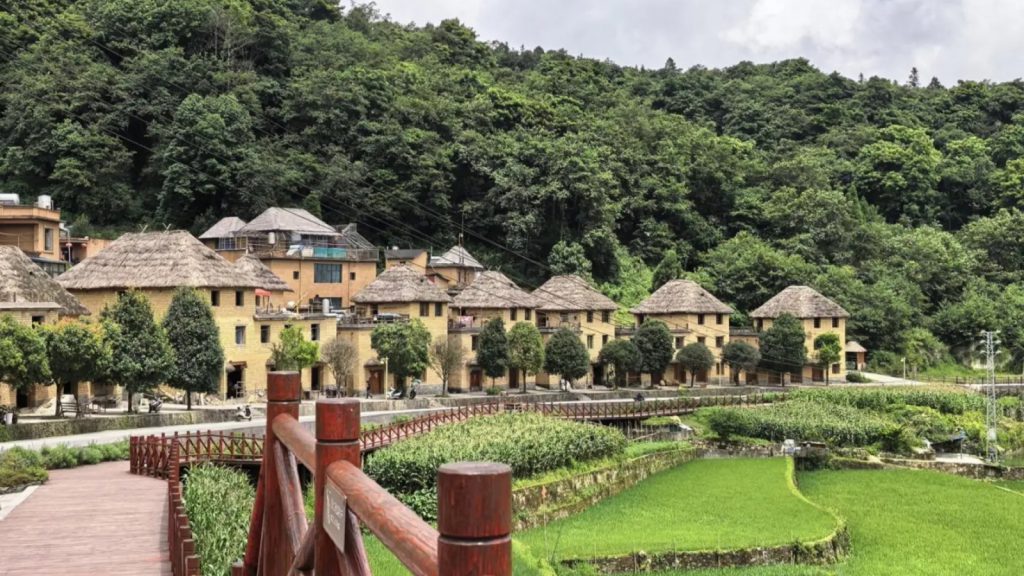
Qingkou Hani Village
Local Markets
If possible, travelers should visit a local market day in the surrounding villages. Markets remain important social and trading centers where local ethnic communities gather to buy food, clothing, tools, and livestock.
They also offer excellent opportunities for photography and cultural observation.
How to Get to Yuanyang?
Most travelers begin from Kunming.
Option 1: Via Jianshui
This is the most popular route:
- Take a high-speed train from Kunming to Jianshui
- Continue to Yuanyang by private car, shared vehicle, or bus
Many travelers combine Jianshui and Yuanyang into one Yunnan itinerary.
Option 2: Direct Long-Distance Bus
Direct buses from Kunming to Yuanyang are available, but the journey may take at least 5 hours because of mountain roads.
Option 3: Private Transfer
For travelers unfamiliar with rural transportation in China, private transfers or guided tours are often the most convenient option.
Where to Stay in Yuanyang?
Most accommodations are located near Xinjie Town or close to the main terrace viewpoints:
- Xinjie Town
- Duoyishu
- Bada
Hotels near Duoyishu are convenient for sunrise photography, while Bada is better for sunset access.
In recent years, more boutique guesthouses and terrace-view hotels have opened in the area. Although accommodation is generally simpler than in large Chinese cities, many hotels offer beautiful mountain views and a peaceful atmosphere.
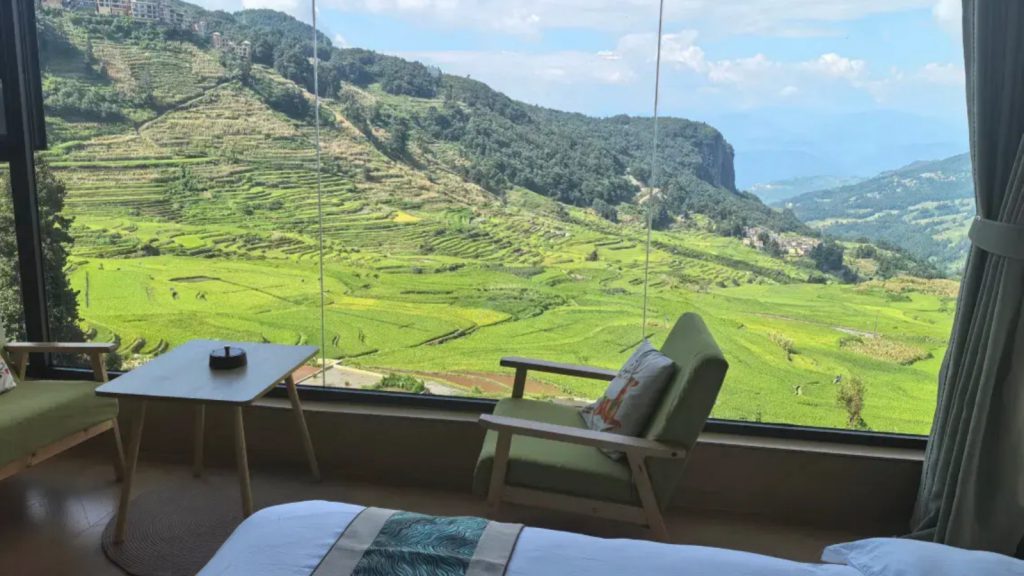
Terrace-view room
Local Food in Yuanyang
Yuanyang cuisine reflects both Yunnan flavors and Hani ethnic traditions.
Popular local foods include:
- Rice noodles
- Hani Dipping Chicken
- Grilled meats
- Fresh mountain vegetables
- Tofu dishes
- Locally grown red rice
Food is usually fresh, simple, and flavorful rather than heavily processed.
Travelers staying in guesthouses often enjoy homemade local meals prepared by local families.
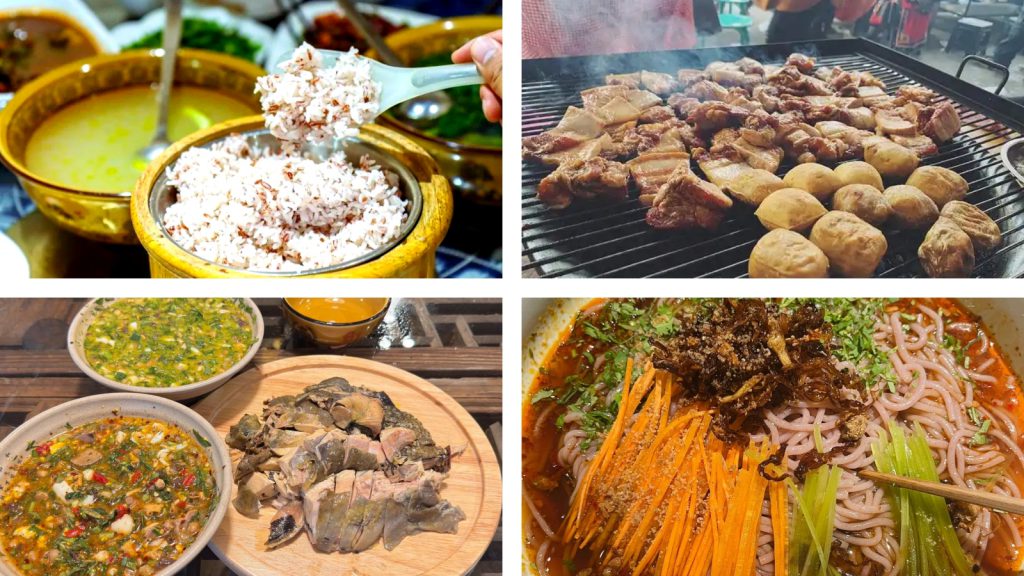
Local Food in Yuanyang
Weather and What to Pack
Because Yuanyang sits in mountainous terrain, temperatures can vary significantly between morning and afternoon.
Important items to bring include:
- Warm layers for sunrise viewing
- Comfortable walking shoes
- Rain jacket during wet seasons
- Sunscreen and sunglasses
- Camera with extra batteries
- Power bank
❗Winter mornings can feel surprisingly cold, especially before sunrise.
Important Travel Tips for First-Time Visitors
Planning ahead can make the trip much smoother and more enjoyable.
Start Your Day Early
Sunrise is one of the biggest highlights in Yuanyang, especially at viewpoints like Duoyishu. Many travelers leave before dawn to catch the best light and morning mist over the terraces.
Prepare for Mountain Roads
Roads in Yuanyang are winding and travel times are often longer than expected. Even short distances on the map can take time because of the mountainous terrain.
If you are sensitive to motion sickness, bringing medicine for mountain roads may be helpful.
English Is Limited
English is not widely spoken in rural Yunnan, including most hotels, restaurants, and local villages in Yuanyang.
Useful preparation includes:
- Downloading an offline translation app
- Saving hotel addresses in Chinese
- Keeping important travel information on your phone
Simple translation tools can make communication much easier.
Bring Cash and Mobile Payment Options
Many restaurants, shops, and guesthouses in China now prefer mobile payments such as WeChat Pay or Alipay. However, some smaller villages and local businesses still accept cash.
Dress for Changing Weather
Weather in Yuanyang changes quickly, especially during winter and spring. Mornings can be cold and foggy, while afternoons may become warm and sunny.
Allow Enough Time
Yuanyang is not a destination best experienced in a hurry. Weather, fog, and lighting conditions change throughout the day, and part of the experience is simply slowing down and enjoying the landscape.
Spending at least two nights in the area usually allows for a much more rewarding visit.
For travelers seeking a more authentic and scenic side of China, Yuanyang is absolutely worth visiting. The region combines extraordinary landscapes with deep cultural traditions and a peaceful atmosphere that feels very different from China's major tourist cities.
Rather than rushing between attractions, Yuanyang encourages travelers to slow down — to wake before sunrise, walk through mountain villages, watch changing light over the terraces, and experience everyday life in rural Yunnan.