
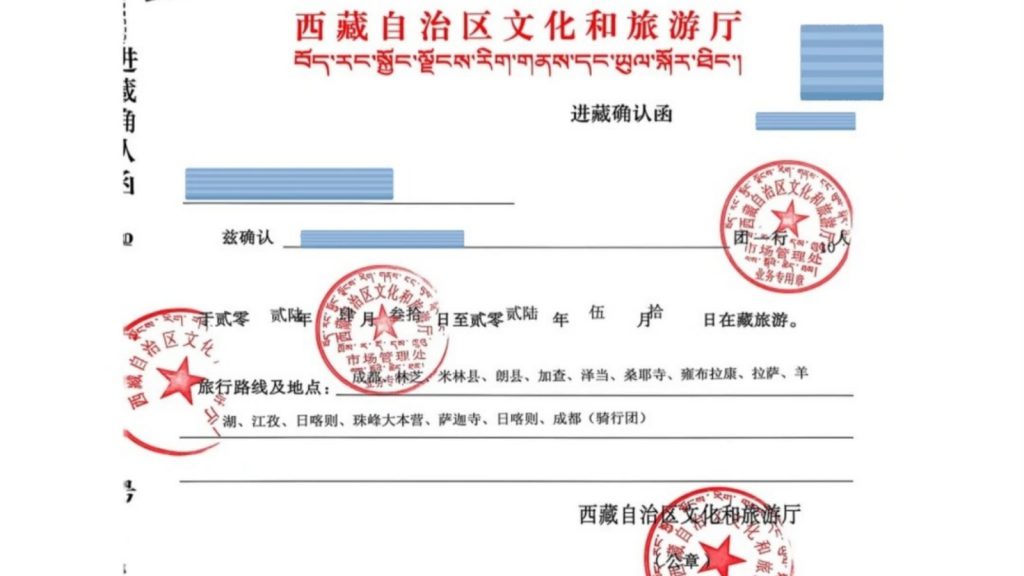
Tibet remains one of the most rewarding yet logistically complex destinations in China. For a travel agent, the stakes are high. A single error in paperwork can lead to a client being denied boarding at the airport.
At TravelChinaService, we view the Tibet Travel Permit (TTP) not just as a document, but as a critical path in our shared operational success. This guide provides the depth you need to manage client expectations and secure their journey.
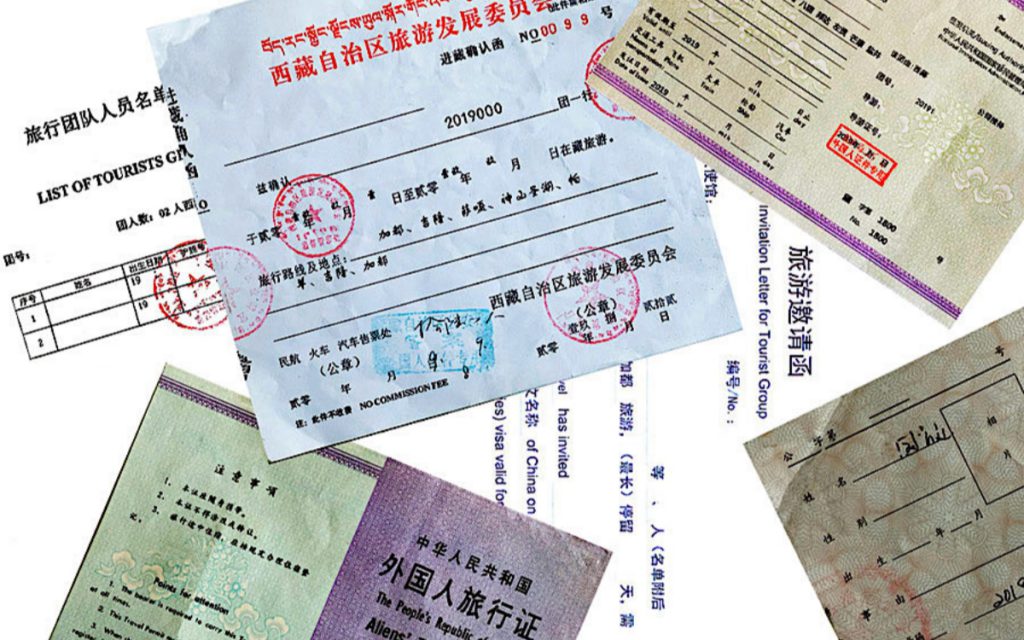
Documents required for foreign tourists traveling to Tibet
1. What is the Tibet Travel Permit (TTP)?
The Tibet Travel Permit is an official entry authorization. It is issued by the Tibet Tourism Bureau (TTB). It is mandatory for all non-Chinese passport holders entering the Tibet Autonomous Region (TAR).
Legal Realities
- It is not a visa. Clients must still obtain a Chinese Entry Visa first.
- No independent travel. The TTB does not issue permits to individual travelers. Every permit must be attached to a licensed tour operator’s itinerary.
- Restricted access. Certain professions (journalists and government officials) require a different approval process through the Foreign Affairs Office.
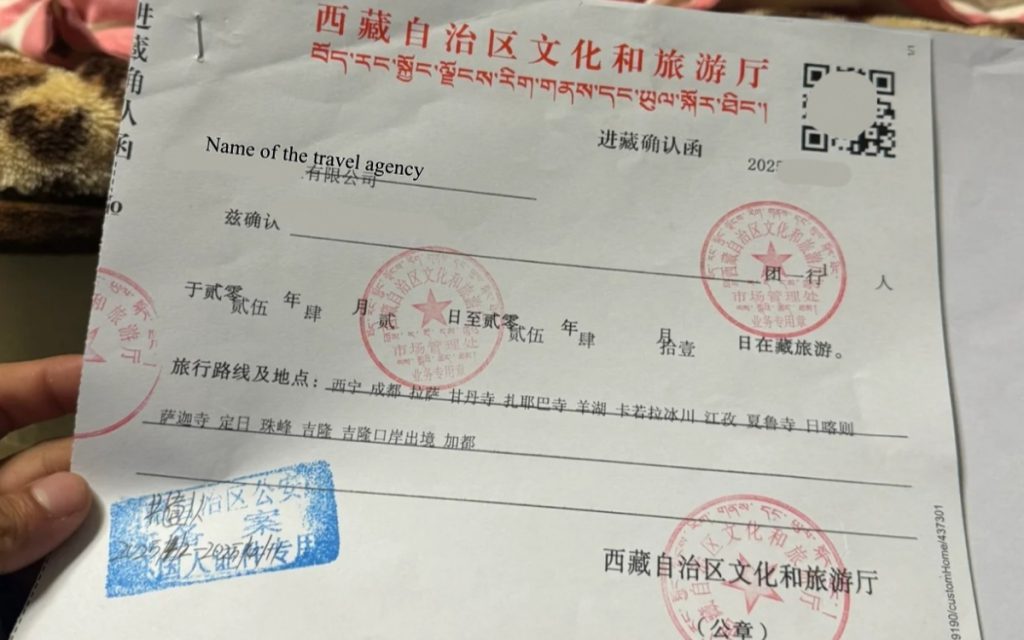
Tibet Travel Permit (TTP)
2. The Application Workflow
We have streamlined our B2B process to minimize your administrative load.
Here is the step-by-step path:
Step 1: Itinerary Finalization
Before we apply, the itinerary must be 100% locked. The TTB requires specific details on every hotel, sightseeing spot, and transport route.
Once the permit is in progress, changes are difficult and often require a full re-application.
Step 2: Document Collection
We require high-resolution scans of:
- Passport Bio Page: Must have at least 6 months of validity.
- Valid Chinese Visa: Standard "L" visas are processed most quickly.
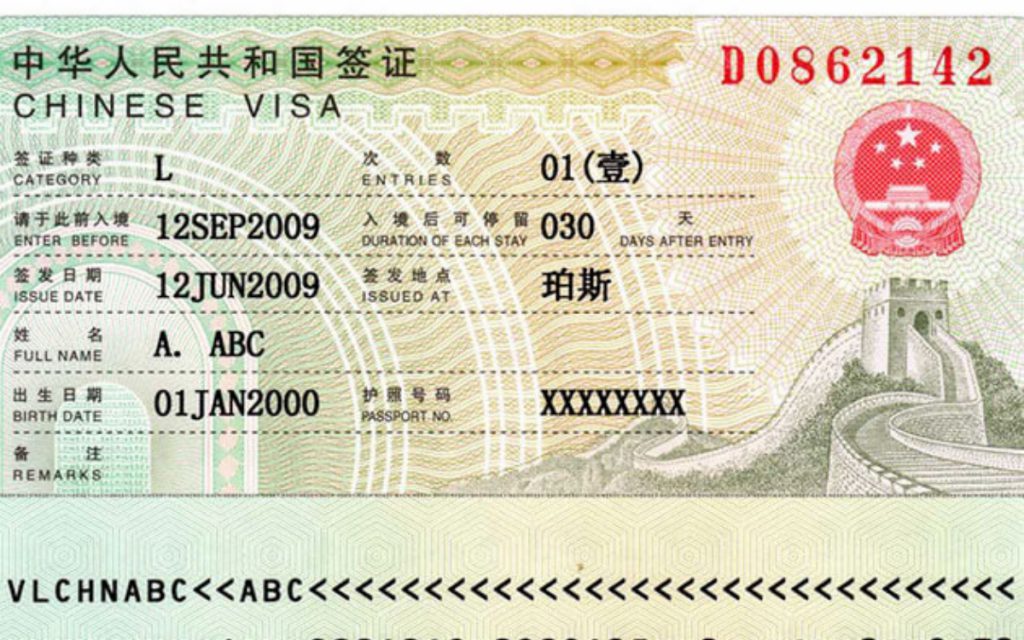
Chinese Tourist Visa is required for obtaining the Tibet Travel Permit.
Step 3: Submission to the TTB
Our team in Lhasa submits the physical documents. The Bureau typically takes 8 to 12 business days to review and approve the request. During peak seasons (May to October), we suggest adding a 5-day buffer.
3. Handling Complex Visa Types
Not all clients travel on a tourist visa. As your ground partner, we handle the "special" cases:
- Z (Work), X (Student), or Q (Family) Visas: These require an official letter from the client’s Chinese employer or school. The letter must confirm their status and state the purpose of their travel to Tibet.
- Visa-Free Entry: If your client enters China under a 15-day or 30-day visa-free policy, the TTP process is standard. We simply use their passport scan.
4. The "Last Mile" Challenge: Physical Delivery
This is where most logistics fail. A digital copy of the permit is useless for boarding. Clients must hold the original physical document to board a plane or train to Lhasa.
Our Delivery Protocol
- Gateway City Delivery: We send the permit via SF Express (China’s most reliable courier) to the client’s "gateway" hotel (e.g., Beijing, Xi’an, Chengdu, or Chongqing).
- In-Person Handover: If the client has a tight connection, we can arrange a staff member to hand the permit over at the airport or train station.
- Verification: We provide you with the tracking number immediately. We monitor the package until it is signed for by the hotel front desk.
5. Beyond Lhasa: Additional Permits
If your clients want to see the "Big Landscape" of Tibet, one permit is not enough.

Beautiful view of Namcha Barwa, Tibet
The Aliens' Travel Permit (PSB Permit)
Required for areas like Mount Everest Base Camp or Shigatse. We apply for this on the ground in Tibet. It usually takes 1–2 hours. The client's original passport is needed for this step.
The Military Permit
Required for sensitive border regions like Mount Kailash or the overland route to Nepal. This permit requires an additional 10–14 days of processing time. This must be planned at the very start of the booking.
6. Building Trust Through Transparency
We know that "reliability" is a word used often in marketing. For us, reliability means:
- Real-Time Policy Alerts: If the Bureau closes for a local event, you are the first to know.
- Zero Hidden Fees: The permit cost is always bundled into our service. There are no "expedited fees" or "document surcharges" later.
- Professional Guides: Our guides are trained to handle permit checks at every checkpoint, ensuring your clients never feel the "friction" of the regulations.
A Long-Term Partnership
Managing Tibet travel is about risk management. By partnering with an operator that has 20 years of on-the-ground experience, you are protecting your brand. We treat your clients as our own.
Let’s work together to make Tibet the highlight of your clients' China experience.