Why Use These Itineraries?
Tibet is one of the most extraordinary and spiritually profound regions in China, and often the highlight of a well-designed journey. As your Tibet ground handling service provider, we ensure smooth arrivals in Lhasa, thoughtful acclimatization, and seamless execution throughout your time on the plateau. Traveling in Tibet comes with unique logistical challenges. Strict permit requirements, high-altitude conditions, limited accommodation options, and carefully regulated sightseeing schedules all require precise planning. As your trusted Tibet DMC, our role is to manage every detail, from permits and transportation to pacing and local support, so your journey remains safe, comfortable, and deeply rewarding.
Highlights
- Discover the iconic Potala Palace, a timeless symbol of Tibetan Buddhism.
- Immerse yourself in the sacred atmosphere of Jokhang Temple, the spiritual heart of Tibet.
- Witness lively monk debates at Sera Monastery, a unique insight into Tibetan Buddhist philosophy.
- Take in sweeping Himalayan views from Kamba La Pass.
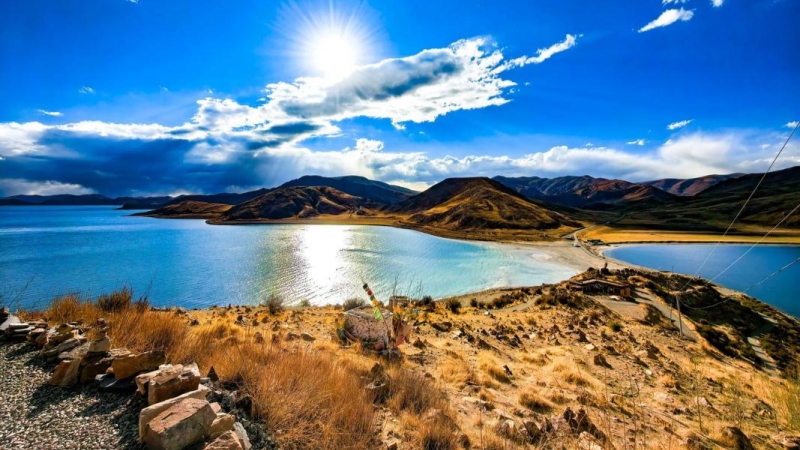
- Marvel at the vivid turquoise waters of Yamdrok Lake, one of Tibet's most sacred lakes.
Detailed Itinerary
-
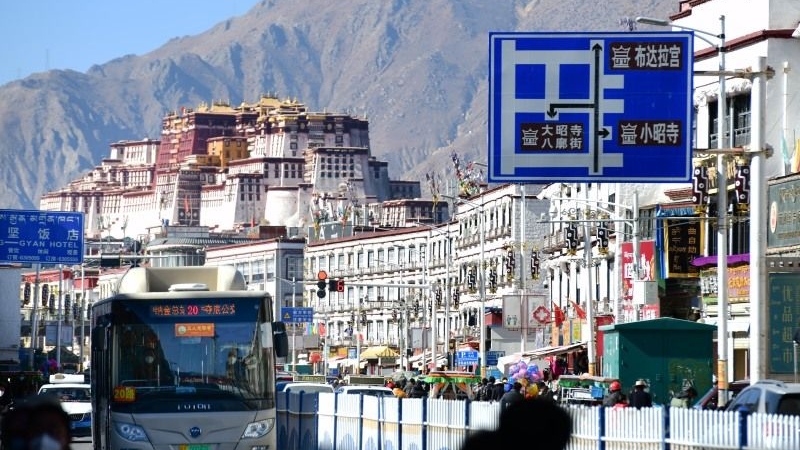
Streets of Tibet Welcome to Lhasa, the heart of Tibet. Upon arrival, your guide will meet you and transfer you to your hotel.
Enjoy the scenic drive into the city, offering your first glimpse of Tibet's vast plateau landscapes. The rest of the day is free for you to rest and gradually adjust to the high altitude, drink plenty of water, and enjoy the unique atmosphere of this spiritual destination. ensuring a comfortable start to your journey.
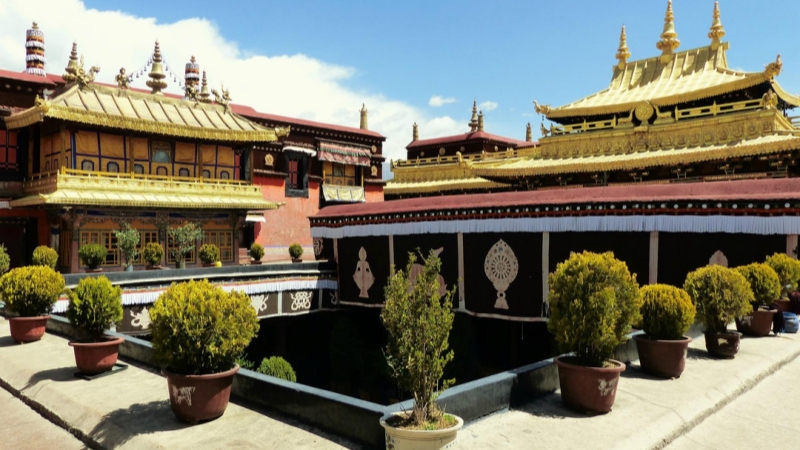
Jokhang Temple Begin your exploration with a visit to the iconic Potala Palace, the former winter residence of the Dalai Lama. This architectural masterpiece rises dramatically above the city and houses sacred chapels, murals, and relics that reflect Tibet's rich religious heritage.
Next, head to the revered Jokhang Temple, the spiritual center of Tibetan Buddhism. Here, you'll witness devoted pilgrims prostrating in prayer, creating a deeply moving atmosphere.
Afterward, stroll along Barkhor Street, a bustling pilgrimage circuit filled with traditional shops, prayer wheels, and local life.
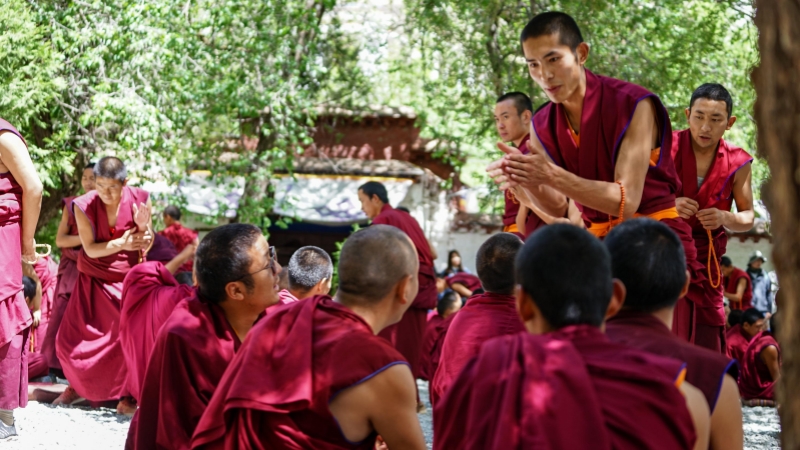
Monk Debates at Sera Monastery After breakfast, dive deeper into Tibetan monastic culture.
Visit Norbulingka, the former summer residence of the Dalai Lama, now a peaceful park with beautiful gardens and traditional Tibetan architecture.
In the afternoon, explore Sera Monastery, famous for its lively monk debates. Watching monks engage in animated philosophical discussions is a unique and memorable cultural experience.
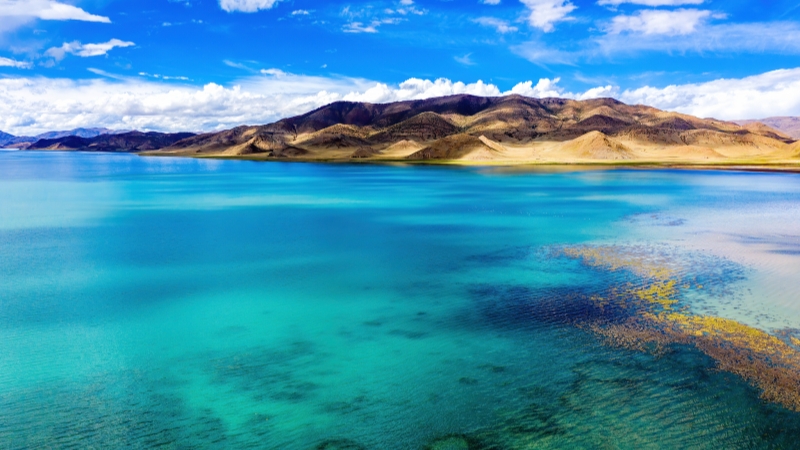
Yamdrok Lake Today's highlight is a full-day journey to the stunning Yamdrok Lake, one of Tibet's three sacred lakes.
Drive over the scenic Kamba La Pass (4,790m), where you'll be rewarded with breathtaking panoramic views of the turquoise lake set against snow-capped mountains.
Along the way, pass traditional Tibetan villages and grazing yaks, offering a glimpse into local rural life. The shimmering waters of Yamdrok Lake, changing shades under the sunlight, create one of the most unforgettable landscapes in Tibet.
Enjoy time to take in the views and walk along the lakeshore before returning to Lhasa in the afternoon.
Enjoy a relaxed morning before your transfer to the airport or train station for your onward journey.
Your Tibet adventure concludes with unforgettable memories of spiritual landmarks and breathtaking natural landscapes.
MAKE AN INQUIRY TOP