

For European travel agencies and outbound tour operators, selecting the right China tour operator is one of the most important decisions when developing China travel programs. A reliable China tour operator does far more than arrange hotels, guides, transport, and sightseeing. The right partner provides regulatory compliance, local supplier management, itinerary design, railway and flight coordination, emergency support, and practical guidance for clients before and during their journey.
China is a highly organized but operationally specific destination. Travel logistics are shaped by passport-based ticketing, digital payment systems, local transport rules, seasonal demand, regional permits, and destination-specific arrangements. For FIT clients, private customized tours, educational groups, corporate delegations, incentive programs, and leisure groups, these details need to be handled accurately.
This guide explains what European travel agencies should consider when choosing a China tour operator or China DMC, and how a local ground handling partner can support smooth travel operations across China.
What Does a China Tour Operator Do?
A China tour operator is a local travel company that designs, arranges, and operates travel services within China. For overseas travel agencies, the tour operator usually acts as the local operating partner responsible for turning an itinerary into a workable travel program.
Typical services include:
- Itinerary planning and destination advice
- Hotel sourcing and reservations
- Private transfers and coach arrangements
- Licensed local guide coordination
- High-speed rail and domestic flight ticketing
- Attraction ticket reservations
- Group dining arrangements
- Special-interest travel planning
- Emergency support during the tour
- Local supplier coordination
- Travel documentation support where required
For European travel agencies, the value of a China tour operator lies not only in price, but in accuracy, reliability, communication, and the ability to manage unexpected situations on the ground.
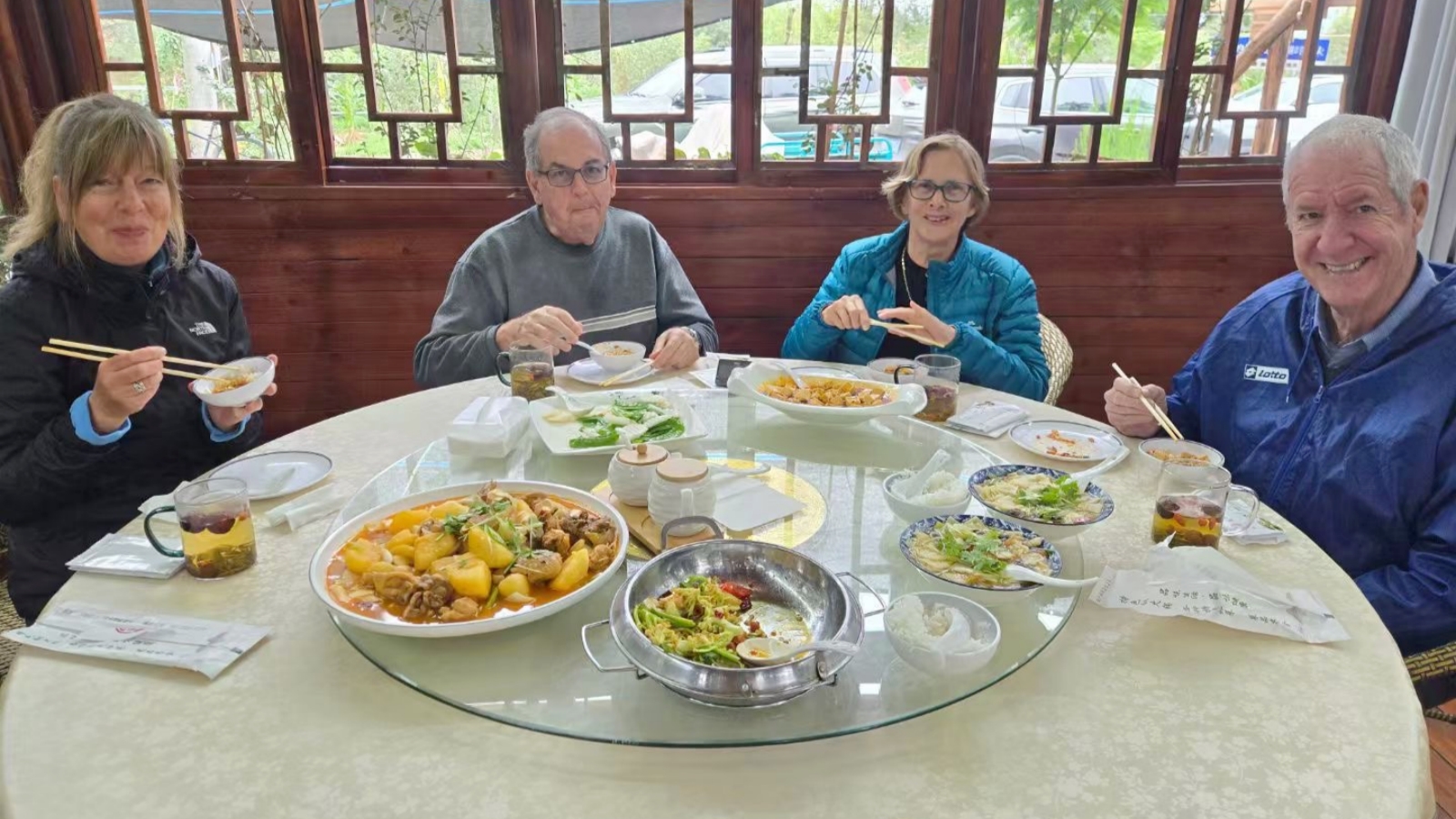
Our guests enjoy a group dining experience at a Chinese restaurant
China Tour Operator vs China DMC: What Is the Difference?
In practice, many companies in China operate as both a China tour operator and a China DMC.
A China tour operator usually focuses on creating and operating travel arrangements, including hotels, guides, transportation, sightseeing, meals, and tickets.
A China DMC, or Destination Management Company, usually provides broader destination expertise and ground handling services for overseas travel professionals. This may include customized itinerary development, supplier management, field operations, special-event coordination, educational travel, incentive travel, and complex group logistics.
For European travel agencies, the most suitable partner is often a local China tour operator with strong DMC capability. This means the partner can not only quote and book services, but also understand the full operational structure behind a successful China program.
Why European Travel Agencies Need a Local China Tour Operator
China is not a destination where every travel detail can be managed easily from overseas without local support. Even experienced travel advisors may find that China has specific procedures that affect day-to-day operations.
A local China tour operator helps you manage:
- Passport-based hotel, train, and attraction bookings
- High-speed rail ticketing windows
- Local guide allocation
- Coach and transfer coordination
- Attraction reservation requirements
- Group dining and dietary requests
- Travel during national holidays
- Weather-related route adjustments
- Emergency support across different time zones
- Communication with local suppliers in Chinese
For FIT clients, this support creates a more comfortable and efficient journey. For group travel, it reduces operational risk and helps protect the reputation of the selling agency.
Key Criteria for Choosing a China Tour Operator
When evaluating a China tour operator, European agencies should look beyond attractive itinerary descriptions. The most important questions are practical.
A reliable China tour operator should be able to explain how they manage:
- Legal business registration and travel service qualifications
- Financial and booking transparency
- Passenger data collection and protection
- Hotel and supplier confirmation procedures
- High-speed rail ticketing
- Guide standards and language capability
- Emergency response systems
- Refund and cancellation rules
- Seasonal availability and peak-period risks
- Special requests such as halal meals, vegetarian meals, accessibility, or educational visits
The ability to provide clear answers is often more important than a low quotation. In China travel operations, unclear arrangements can become expensive once clients are already on the ground.
Compliance and Corporate Transparency
For European travel agencies, compliance is an important part of supplier selection. A China tour operator should be able to provide you clear company information, including business registration details, office address, travel service qualifications, and insurance arrangements where applicable.
This is especially important when handling:
- Group tours
- School and student programs
- Senior travelers
- Corporate delegations
- Incentive groups
- Religious or dietary-sensitive groups
- Multi-city itineraries
- High-value customized FIT travel
Working with a transparent local operator helps you reduce supplier risk and gives clients greater confidence in the travel arrangements.
Digital Payments and Client Preparation
One of the most common practical issues for international visitors is payment. China uses mobile payments widely in daily life. While cash remains legal tender and international cards are accepted in many major hotels and larger commercial settings, clients should not assume that foreign cards will work everywhere.
A China tour operator should help travel agencies prepare clients before departure by explaining:
- How WeChat Pay and Alipay are commonly used
- Why clients should carry some RMB cash as backup
- Why international cards may not be accepted in smaller restaurants or local shops
- How guides can assist during free time or optional activities
- What clients should know about QR-code ordering and digital menus
For private tours and groups, many key services are prepaid through the travel program. However, clients still need practical guidance for personal spending, snacks, taxis, shopping, and free-time meals.
High-Speed Rail and Transport Coordination
China’s high-speed rail system is one of the most important tools for modern China travel planning. It connects major destinations such as Beijing, Xi’an, Shanghai, Chengdu, Chongqing, Zhangjiajie, Guangzhou, and many other cities.
For European travel agencies, high-speed rail can improve itinerary quality by reducing airport transfers and allowing clients to travel city center to city center. However, rail bookings require careful planning because tickets are linked to passenger passport information.
A professional China tour operator should manage:
- Accurate passenger name and passport data collection
- Ticket booking once the sales window opens
- Seat class recommendations
- Station transfer timing
- Luggage handling advice
- Guide assistance at stations
- Contingency planning if preferred trains are unavailable
Rail planning is especially important during Chinese public holidays, school holidays, major exhibitions, and peak tourism seasons.
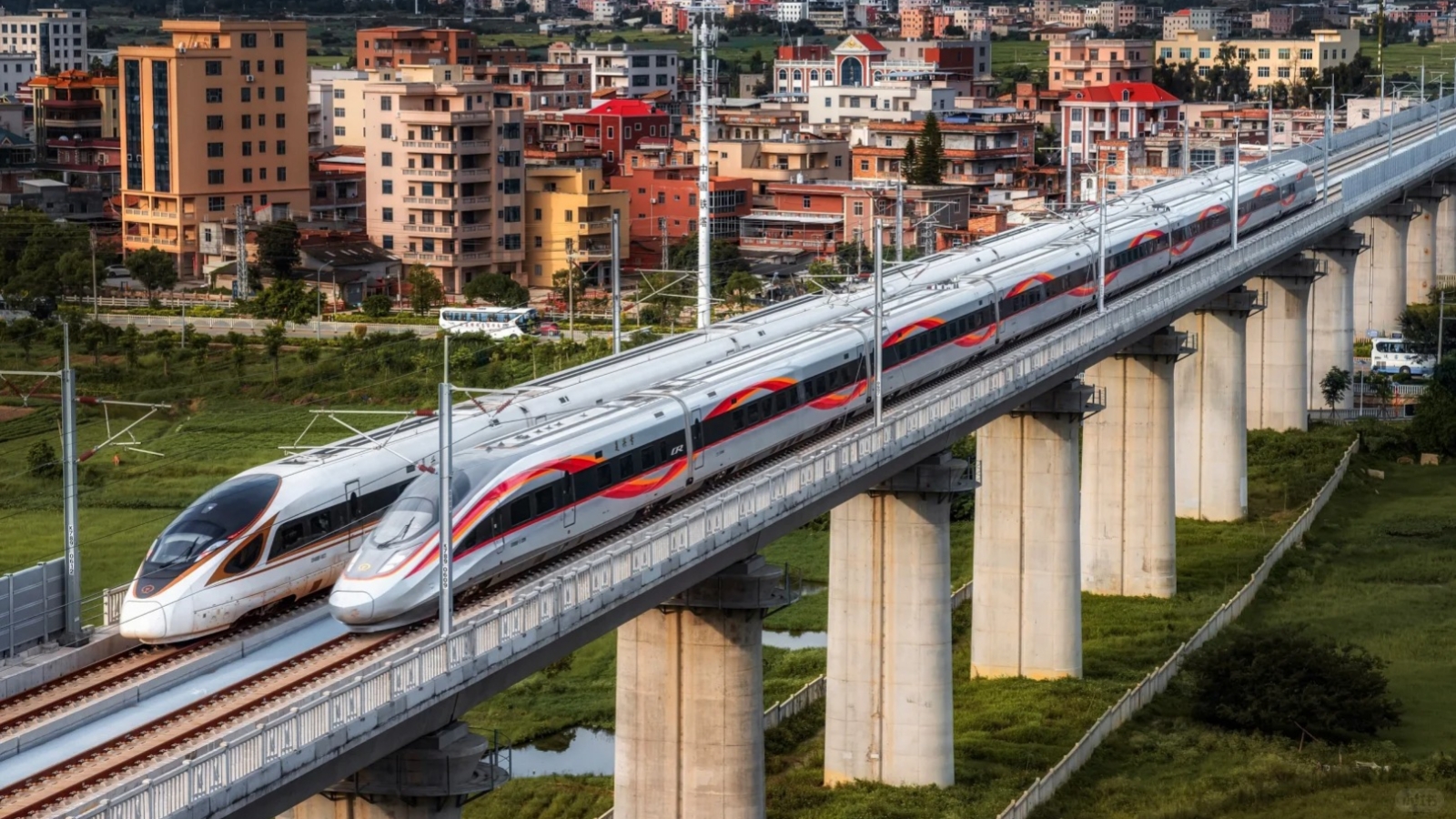
China High-speed Rail
Guide Management and Ground Service Quality
The quality of the guide often shapes the client’s impression of the entire trip. For this reason, guide selection should be treated as a core operating issue, not a secondary detail.
A reliable China tour operator should provide guides who are:
- Properly licensed where required
- Experienced with international travelers
- Suitable for the client’s language needs
- Familiar with the destination and itinerary style
- Able to manage timing, tickets, restaurants, and local coordination
- Trained to handle unexpected changes calmly
For complex group tours, a national escort may travel with the group throughout the journey, while local city guides provide destination-specific interpretation in each city. This structure is often useful for European groups covering several regions of China.
No-Shopping and Brand Protection
Many European travel agencies prefer pure sightseeing programs without forced shopping stops. This should be made clear in the contract and itinerary from the beginning.
A trustworthy China tour operator should be able to offer no-shopping arrangements and explain exactly what is included in the program. This protects the agency’s brand and helps ensure that clients receive the experience they were promised.
For customized FIT tours, educational groups, and higher-end cultural programs, a no-shopping policy is usually essential.
FIT, Private Tours, and Group Travel
European agencies may send different types of clients to China, and each requires a different operating approach.
For FIT and private customized tours, flexibility is important. Clients may need refined hotel choices, slower pacing, private guides, special dining arrangements, or deeper cultural experiences.
For group tours, consistency and timing are more important. Coach movements, meal reservations, hotel check-ins, attraction tickets, luggage arrangements, and guide coordination must be planned carefully.
For educational and student groups, safety, supervision, learning value, and clear communication are especially important.
For incentive and corporate groups, service precision, venue selection, timing, branding, and contingency planning become key considerations.
A strong China tour operator should be able to adjust operating methods according to the client type, rather than applying the same model to every booking.

Our customers on Zhangjiajie Glass Bridge
Itinerary Knowledge Beyond Beijing, Xi’an, and Shanghai
Classic China itineraries often include Beijing, Xi’an, and Shanghai. These cities remain important for first-time visitors, but European travelers are increasingly interested in more regional and thematic travel experiences.
A capable China tour operator should be able to support destinations such as:
- Guilin and Yangshuo for landscapes
- Chengdu for pandas and Sichuan culture
- Zhangjiajie for dramatic mountain scenery
- Yunnan for ethnic cultures and nature
- Guizhou for minority villages and rural landscapes
- Dunhuang and Gansu for Silk Road heritage
- Xinjiang for vast landscapes and Islamic cultural heritage
- Tibet for high-altitude cultural travel where permits and careful planning are required
- Hangzhou and Suzhou for gardens, canals, and refined cultural experiences
Regional knowledge is important because transport, hotel standards, weather, altitude, road conditions, and meal arrangements can vary significantly across China.
Special-Interest Travel in China
European travel agencies often require more than standard sightseeing. A local China DMC should be able to develop programs for special-interest clients, including:
- Cultural heritage tours
- Silk Road journeys
- Educational and student tours
- Muslim-friendly travel
- Senior-friendly tours
- Photography tours
- Culinary tours
- Tea culture programs
- Traditional Chinese medicine wellness programs
- Architecture and design tours
- Corporate and incentive travel
- Business and factory visit programs
Special-interest travel requires more detailed planning than general sightseeing. The operator must understand both the theme and the local feasibility of each activity.
Communication and Time-Zone Support
Clear communication is one of the most important factors in a successful B2B partnership. European agencies need a China partner that can respond professionally, explain local conditions honestly, and provide timely updates.
Because China is several hours ahead of Europe, a reliable local partner should have a system for handling urgent matters outside normal office hours.
This is especially important for:
- Flight delays
- Missed connections
- Hotel issues
- Medical situations
- Weather disruptions
- Lost passports
- Sudden attraction closures
- Changes in group movement
Good emergency handling is rarely visible when everything goes smoothly, but it becomes essential when something unexpected happens.
Working with TravelChinaService
TravelChinaService supports overseas travel agencies, tour operators, and travel professionals with China ground handling services for FIT, private tours, customized programs, and group travel.
Our work focuses on practical execution rather than standard package selling. We assist with itinerary planning, hotel coordination, licensed guide arrangements, private transfers, group transportation, high-speed rail ticketing, domestic travel logistics, special meal requests, and on-the-ground support across China.
For European agencies, our role is to act as a local operating partner in China, helping ensure that your clients’ travel arrangements are clearly planned, properly coordinated, and supported throughout the journey.
Checklist for You: How to Evaluate a China Tour Operator
Before selecting a China tour operator, European agencies may wish to ask the following questions:
- Is the company legally registered and qualified to provide travel services in China?
- Does the company have a real office and clear corporate information?
- Can the operator support both FIT and group travel?
- How does the operator manage high-speed rail ticketing?
- Are guides licensed and experienced with international clients?
- Can the operator provide no-shopping programs?
- How are emergency situations handled during the tour?
- Can the operator support dietary requests such as halal, vegetarian, or allergy-sensitive meals?
- Does the operator understand European agency expectations?
- Are quotations clear, detailed, and transparent?
- Can the operator provide Chinese-language support materials for clients?
- Does the operator have destination knowledge beyond the main gateway cities?
A reliable China tour operator should be able to answer these questions clearly and practically.