

Why Is SIM Card Verification Needed for Chinese Hotel Wi-Fi?

International traveler using a smartphone to connect to hotel Wi-Fi in a hotel room in China

You have checked into your hotel in China, connected to Wi-Fi and opened your browser—only to find a page asking for a Chinese mobile number and an SMS verification code. What if you do not have one?

Start by asking reception about another login method. The options depend on the hotel’s network, so you may be able to connect without buying a local SIM card.

How to Connect to Hotel Wi-Fi in China Without a Chinese Phone Number?

  1. Ask reception for an alternative login. Ask whether the hotel supports room-number and surname login, a guest voucher, a temporary account or staff-assisted authentication.

  2. Check whether the portal accepts overseas numbers. If there is a country-code selector, try your own number. Code delivery depends on the portal and your mobile operator.

  3. If the sign-in page does not appear, confirm the official Wi-Fi network name with staff. Reconnect and open your browser. Ask reception for the portal address or technical help if needed.

  4. Use your own mobile data as a fallback. Check your plan’s roaming or hotspot allowance first. A data-only travel eSIM may provide internet access without a phone number or SMS service.
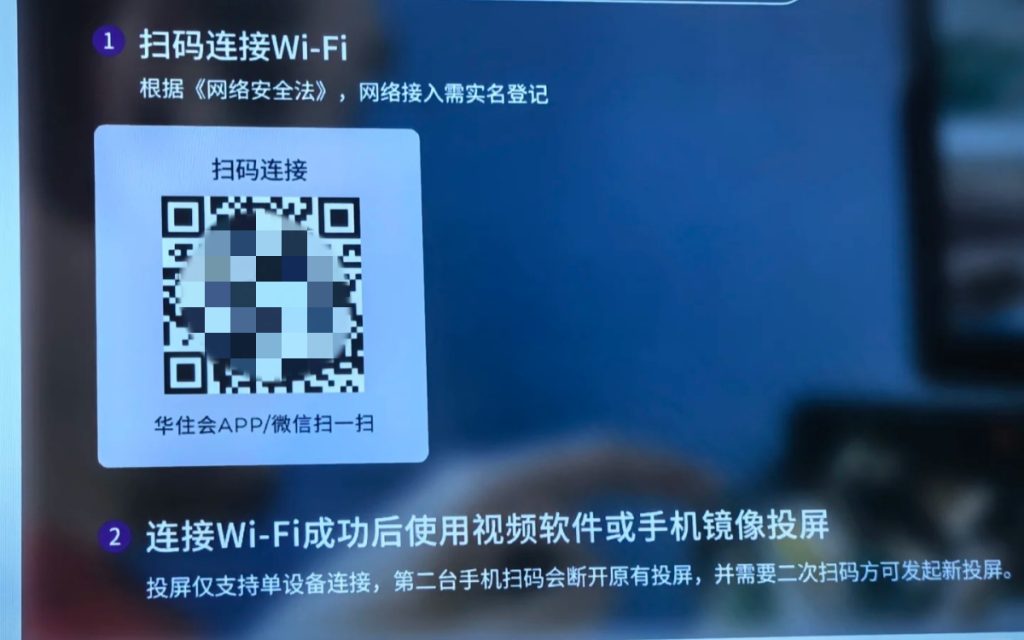
Hotel TV screen in China displaying a QR code for Wi-Fi login and screen mirroring instructions

Hotel TV screen in China displaying a QR code for Wi-Fi login and screen mirroring instructions

For more information about mobile data, roaming and other practical travel preparations, see our guide to internet access in China.

Alternative login methods vary by property. If you need dependable internet for work or staying in touch, ask the hotel about access for overseas guests before arrival.

Show This Message to Reception

“I do not have a mainland Chinese mobile number and cannot receive the verification code. Please help me connect to the hotel Wi-Fi another way.”

我没有中国大陆手机号,收不到短信验证码。请帮我用其他方式连接酒店 Wi-Fi。

Why Does the Hotel Ask You to Verify Your Connection?

China’s cybersecurity framework includes identity-verification obligations for network access services and requirements to retain relevant network logs. Hotels and their network providers use authentication systems to help meet applicable obligations under China's Cybersecurity Law.

SMS verification is one method, rather than a nationally prescribed login screen for every hotel. Other systems may use guest accounts, room details or vouchers. A phone-number request is not, by itself, evidence that the hotel intends to use your number for marketing.

I Already Showed My Passport—Why Another Login?
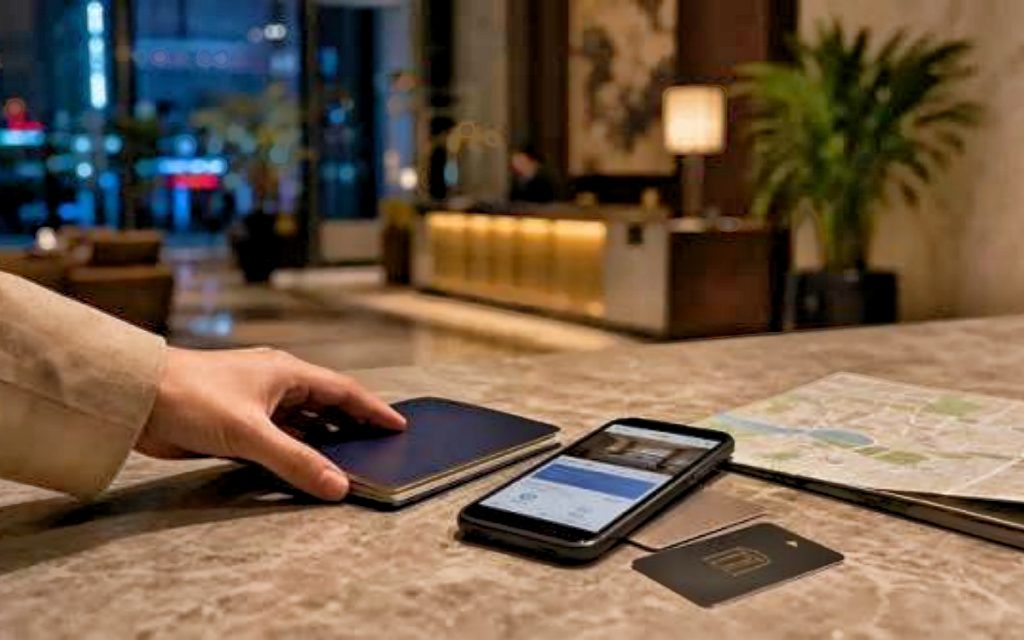
International traveler using a smartphone and passport at a hotel reception desk in China

International traveler using a smartphone and passport at a hotel reception desk in China

Hotel check-in and Wi-Fi access may run on separate systems. Registering your passport at reception therefore does not necessarily activate your internet connection.

The hotel may also provide Wi-Fi to restaurant customers, meeting attendees and lobby visitors who have no room booking. A separate login system helps it manage those connections. The method depends on the technical setup; hotel star rating alone does not tell you whether SMS verification will be needed.

Staying Connected on a Multi-City China Tour

If your China trip includes several cities, remember that hotel Wi-Fi access may work differently at each stop. You may need to complete a new login process after checking into each hotel. Keep your travel eSIM or roaming option available as a backup, especially when you need to contact your guide, confirm transfers or check your next hotel’s address.

Before departure, ask your travel provider to confirm whether the selected hotels offer an alternative Wi-Fi login for guests without a mainland Chinese mobile number.

14-Day China Cultural and Historical Immerse Beijing - Xi’an - Guilin - Chongqing - Shanghai

This is a sample itinerary for multi-city trip to China. Click to view the details.

Will My Phone Number Be Used for Marketing?

Entering your number to receive a Wi-Fi code does not, by itself, authorise unrelated advertising. China's Personal Information Protection Law requires a lawful basis for handling personal information and limits collection to what is necessary. These protections do not guarantee that misuse never occurs.

Check the portal’s privacy notice and leave optional marketing subscriptions unticked if you do not want them. If the wording is unclear, ask reception who operates the Wi-Fi service and why your number is requested. You can also ask whether another login method is available.

Does Phone Verification Mean the Wi-Fi Is Secure?

A verification code is a login step, not a guarantee that a network is secure. Confirm the official network name with reception, particularly if several similarly named networks appear. If a login page asks for unexpected payment details or unrelated account passwords, check with staff before proceeding.

Traveler connecting a smartphone to Wi-Fi while using a laptop

Traveler connecting a smartphone to Wi-Fi while using a laptop

Will the Same Issue Occur at Airports or Railway Stations?

You may encounter similar login screens at airports, railway stations, shopping malls and exhibition venues. Available methods vary. Check for an overseas-number option or ask the information desk about access for international visitors.

For your hotel stay, the most useful first step is simple: tell reception that you cannot receive a Chinese SMS code and ask which alternative their network supports.

For travel agencies arranging accommodation in China, checking hotel Wi-Fi access for international guests is one small but useful part of trip preparation. TravelChinaService can assist with hotel arrangements and other China ground handling services for overseas travel partners.

Frequently Asked Questions About Hotel Wi-Fi in China

Some hotels in China use mobile phone verification to authenticate Wi-Fi users and support network-security requirements. You enter your number and receive an SMS login code. SMS is one authentication method; other hotels may use room details, guest vouchers or staff-assisted login.

Some hotel Wi-Fi portals support overseas numbers. Look for a country-code selector on the login page. Receiving the code depends on the portal and your mobile operator’s SMS service in China. If your number is not accepted or the code does not arrive, ask reception for another login method.

A data-only travel eSIM does not provide a mobile number or SMS service, so it cannot receive verification texts. It can provide a separate internet connection through mobile data. Check whether your eSIM plan includes a phone number and SMS reception before relying on it for hotel Wi-Fi login.

Entering your phone number to receive a Wi-Fi verification code does not, by itself, authorise unrelated marketing. Check the login page for optional promotional subscriptions and read the privacy notice where available. If you are unsure how your number will be used, ask reception who operates the Wi-Fi service and whether another login option is available.

Some hotels in China use mobile phone verification to authenticate Wi-Fi users and support network-security requirements. You enter your number and receive an SMS login code. SMS is one authentication method; other hotels may use room details, guest vouchers or staff-assisted login.

Ready to Transform Your Travel Business?

Join hundreds of travel agents using our B2B portal to streamline operations, access wholesale rates, and deliver exceptional service to their clients.

MAKE AN INQUIRY
TOP