Why Use These Itineraries?
Planning a Silk Road journey across western China can be challenging due to the long travel distances, changing climates, transportation schedules, and the historical complexity of the region. Travelers often spend considerable time researching routes, train connections, attractions, and the best order to visit destinations. These itineraries are designed to make trip planning easier and more practical for international visitors. Built around realistic travel times and regional logistics, they combine cultural landmarks, historical sites, natural scenery, and local experiences into a well-balanced journey. It can also be adjusted according to different travel preferences, whether you want to focus more on history, photography, local culture, food experiences, or slower-paced exploration.
Highlights
- Explore Kashgar Old City and experience traditional Uyghur culture
- Visit Karakul Lake beneath the Pamir Mountains
- Discover the famous Sunday Bazaar and local Silk Road markets
- Enjoy the alpine scenery of Heavenly Lake
- Walk through the ancient Jiaohe Ruins in Turpan
- Visit the UNESCO-listed Mogao Grottoes in Dunhuang
- Experience the desert landscapes of Mingsha Shan & Crescent Lake
- Explore Jiayuguan Fort and the western end of the Great Wall
- Discover Xian’s Terracotta Warriors and ancient city heritage
Detailed Itinerary
-
Arrive in Kashgar, a city at the western edge of China and a key junction of the ancient Silk Road. Your driver will transfer you to your hotel. Depending on arrival time, take a short stroll through the streets to see local markets.
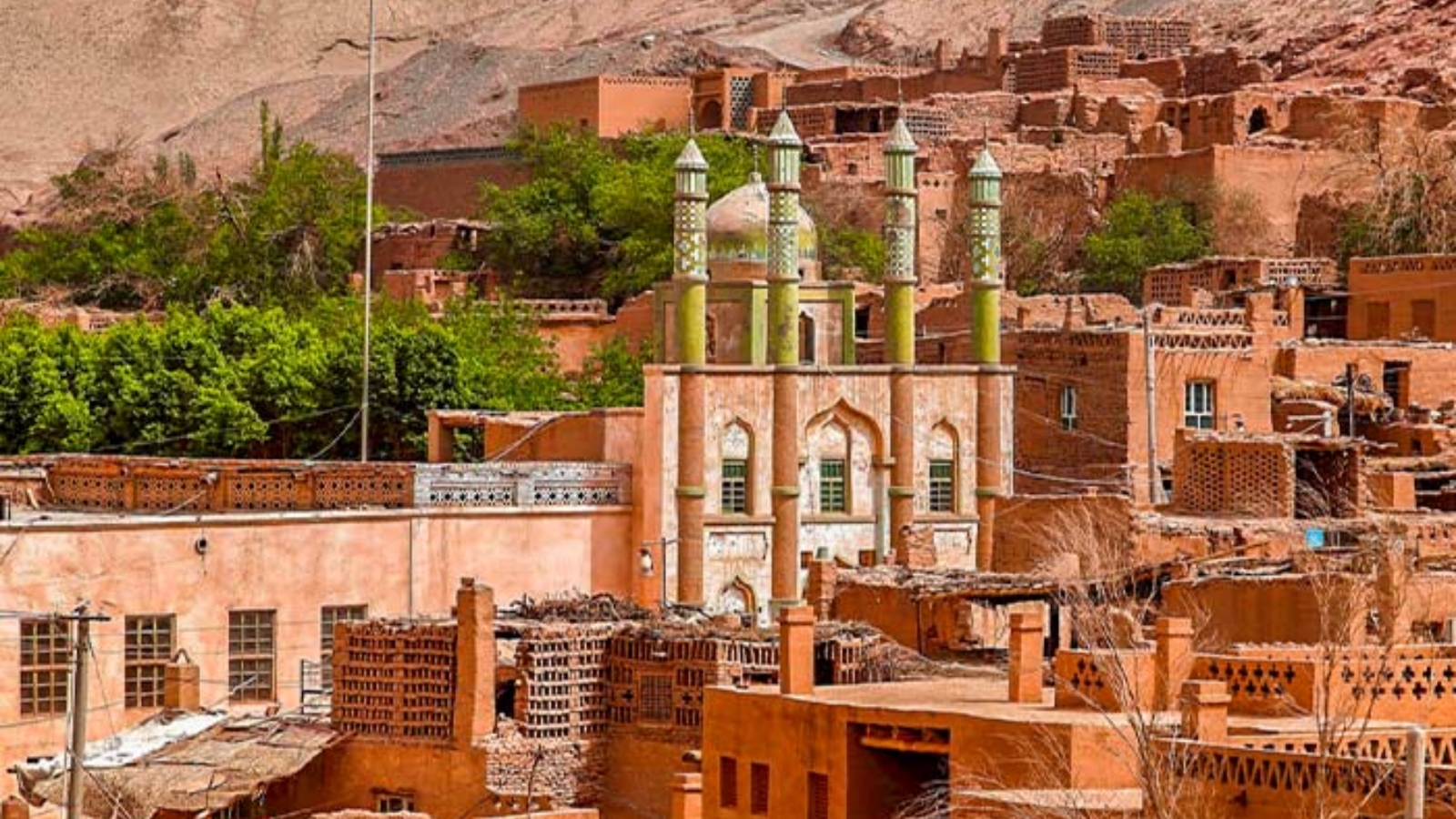
Kashgar Old City Begin your exploration at Kashgar Old City, where the winding alleys reveal mud-brick houses with carved wooden balconies. Observe daily life as locals shop in small stores, children play, and elders sit in courtyards sipping tea.
Stroll along Craft Street, where artisans produce silk scarves, silver jewelry, and intricate woodwork using techniques passed down for generations.
Visit Id Kah Mosque, the largest mosque in China. The mosque remains a spiritual center, hosting thousands for daily prayers and religious festivals.
Tip: Visiting in the morning offers the chance to see prayer rituals and hear the call to prayer echoing through the Old City.
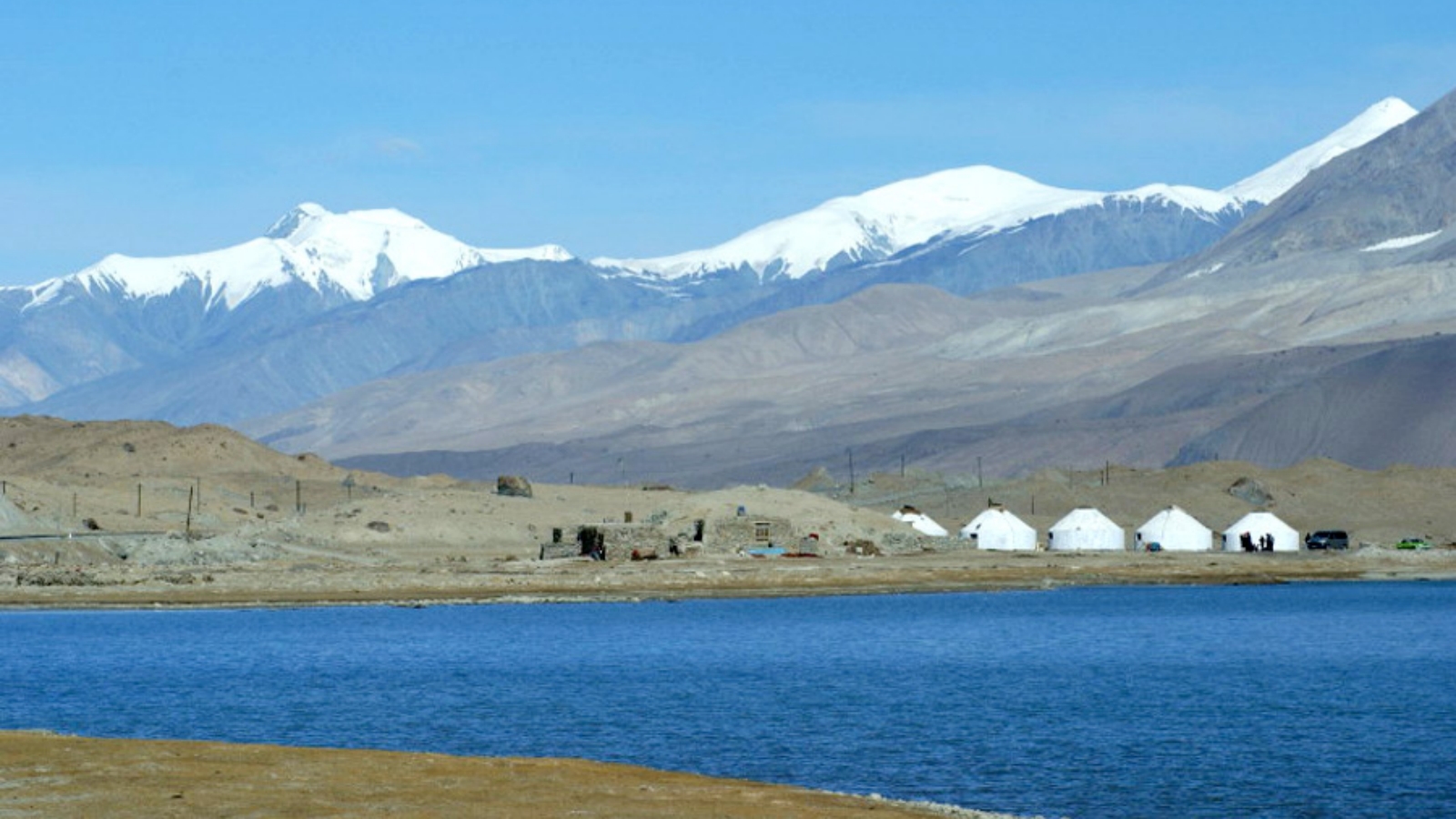
Karakul Lake Drive to Karakul Lake, perched at 3,600 meters under the towering Pamir Mountains. The lake reflects the dramatic snow-capped peaks of Muztagh Ata and Kongur Tagh, creating a breathtaking mirror effect. Nomadic Kyrgyz herders often camp along the shore with their yaks, offering a glimpse into traditional mountain life.
Afterwards, visit the Abakh Hoja Tomb, also called the “Fragrant Tomb.” Its turquoise and white glazed tiles, carved wooden doors, and serene courtyards showcase Uyghur religious architecture and artistry.
Photography tip: Sunset over Karakul Lake is spectacular, with the mountains glowing golden against the calm water.
Start at the Sunday Bazaar, one of Asia’s largest weekly markets. The market teems with activity: merchants sell dried fruits, spices, handwoven carpets, livestock, and colorful fabrics. Observe local bargaining customs, try small snacks like lamb kebabs.
In the afternoon, fly to Urumqi, the capital of Xinjiang, which bridges China and Central Asia culturally and historically.

Heavenly Lake Visit Heavenly Lake (Tianchi), a pristine alpine lake at the foot of the Tien Shan Mountains. The calm turquoise water contrasts with the surrounding rugged peaks, pine forests, and seasonal wildflowers. You can walk along the shore, take a boat ride, or simply relax and enjoy the alpine tranquility.
Next, explore the Xinjiang Uygur Autonomous Region Museum, which houses ancient artifacts, textiles, costumes, and Silk Road relics. Exhibits show the ethnic diversity of Xinjiang, from Uygurs and Kazakhs to Mongols and Han Chinese, and illustrate centuries of cultural exchange along the Silk Road.
Tip: Wear layers; mountain areas can be chilly even in summer.
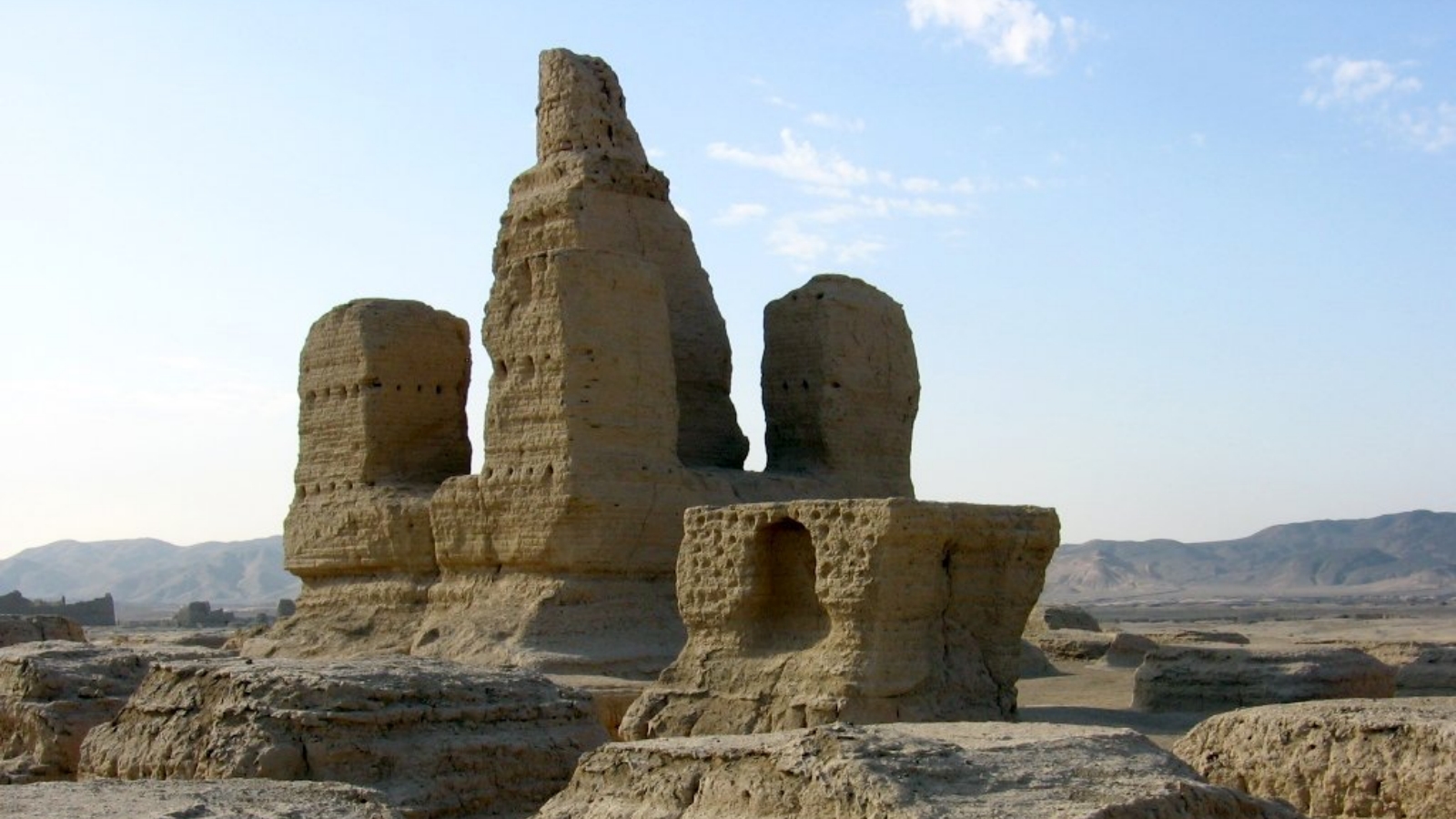
Jiaohe Ruins Drive to Turpan, a desert oasis city with rich Silk Road history.
Begin your day with the Jiaohe Ruins, an ancient city carved entirely from earth, dating back over 2,000 years. Walk through the remains of temples, government buildings, and residential compounds to visualize the lives of its past inhabitants.
Then we will visit the Karez Wells, an underground irrigation system ingeniously designed to channel water from nearby mountains, sustaining agriculture in the arid desert for centuries. Stop at Tuyugou Valley, a fertile area known for vineyards, mulberry trees, and traditional Uyghur villages.
Cultural note: Turpan has been a meeting point of traders, travelers, and scholars for millennia, and its unique engineering solutions reflect the ingenuity of desert civilizations.
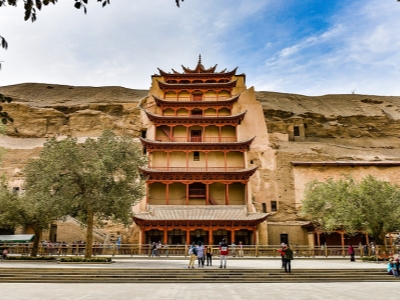
Mogao Grottoes Take a 3.5-hour high-speed train to Dunhuang.
In the afternoon, visit the Mogao Grottoes, a UNESCO World Heritage site. Carved into cliffs over a thousand years, the caves contain murals and sculptures depicting Buddhist teachings, stories, and Silk Road trade scenes. The colors, patterns, and fine details reveal the region’s cosmopolitan past.
Tip: Some caves require advanced booking; bring a camera for photography of exterior landscapes (interior photography may be restricted).
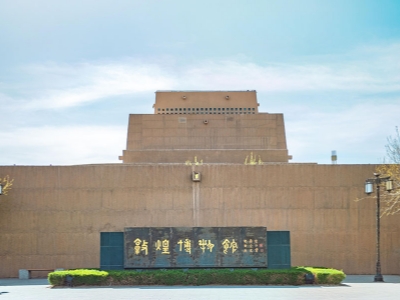
Dunhuang Museum Start at the Dunhuang Museum, which exhibits artifacts, murals, and documents illustrating the city’s role as a Silk Road hub.
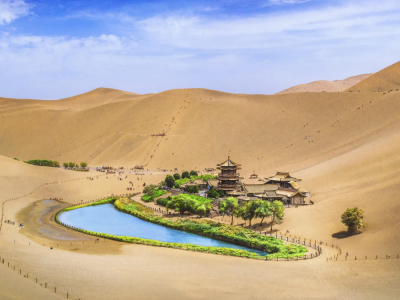
Explore Mingsha Shan (Echoing Sand Mountain), a desert peak known for the hum produced when sand shifts with the wind. Nearby, Crescent Lake is an oasis with turquoise waters. Camel rides along the dunes provide a traditional desert experience.
In the evening, stroll through Shazhou Night Market, sampling local specialties like lamb skewers, dried fruits, and flatbread, while enjoying traditional handicrafts.
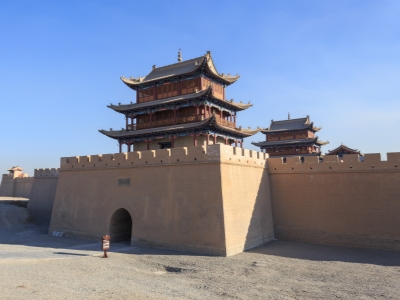
Jiayuguan Fort Drive 4–5 hours through desert landscapes to Jiayuguan, home to the westernmost fort of the Ming Great Wall. Explore Jiayuguan Fort, built in the 14th century, with watchtowers, gates, and battlements still preserved. Walking along the Great Wall here offers panoramic desert views and a sense of the fort’s strategic importance in ancient times.
Cultural insight: Jiayuguan marked the frontier between China and Central Asia, symbolizing defense, trade, and cultural exchange.
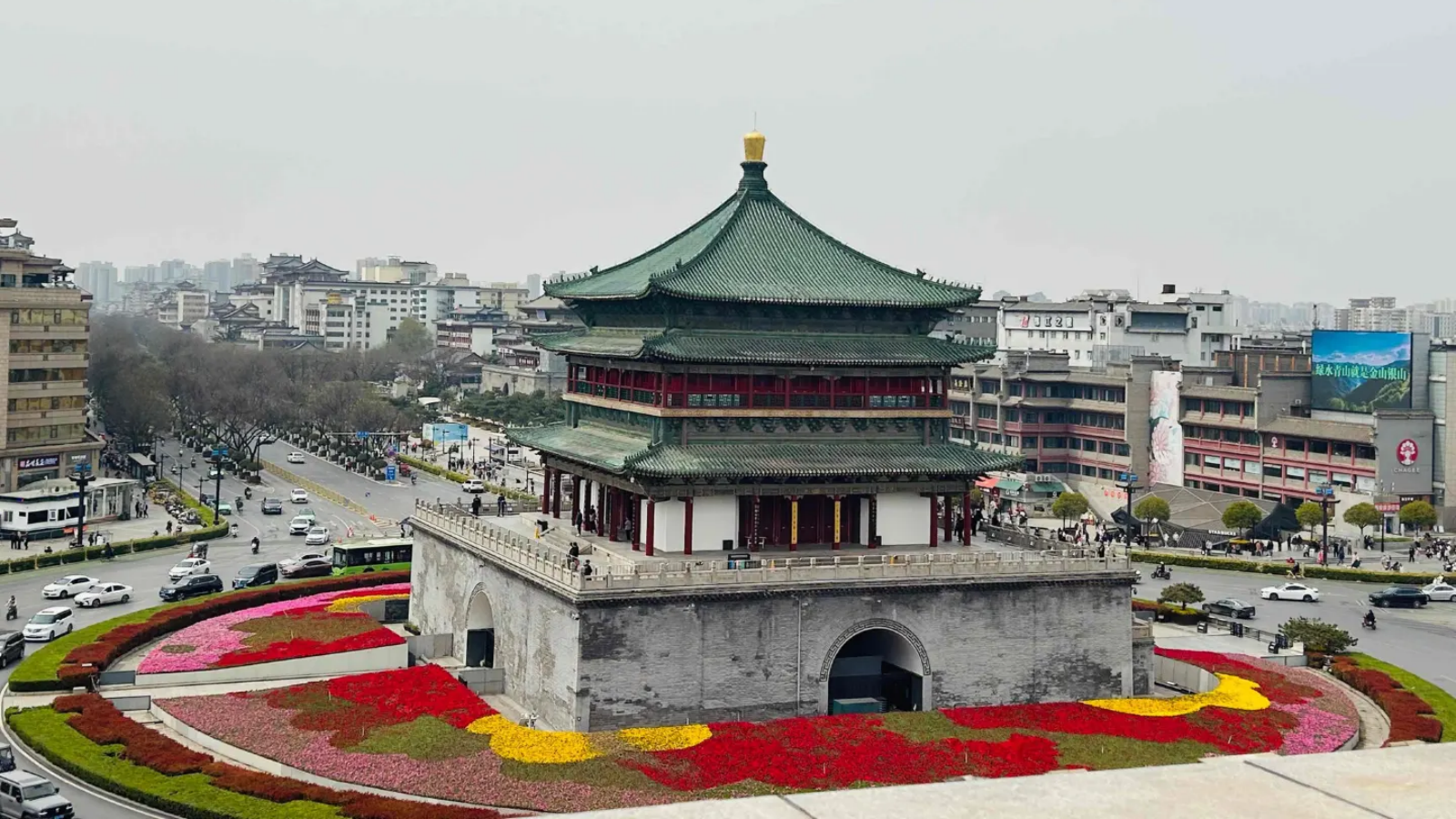
Bell Tower Fly to Xian, an ancient imperial capital. Visit the Bell Tower and Drum Tower, iconic Ming Dynasty landmarks with traditional architecture. Explore the Muslim Quarter, a lively area full of street food, spice shops, and local markets. The quarter reflects Xian’s multicultural history and offers insight into daily life in this historic city.
Tip: Try local snacks like roujiamo (meat sandwiches) and yangrou paomo (lamb soup with bread).
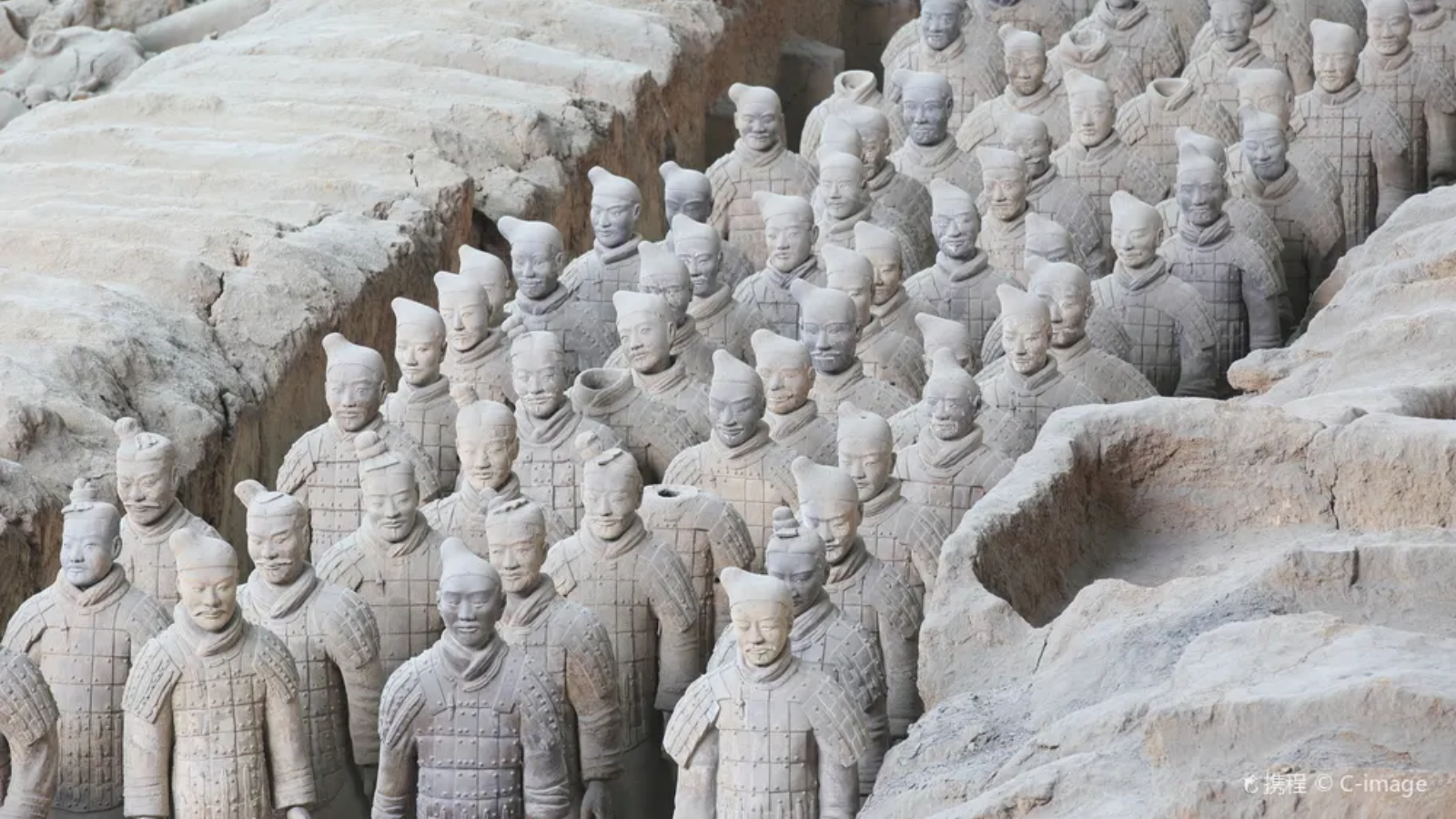
Terracotta Warriors Visit the Terracotta Warriors Museum, where thousands of life-sized clay soldiers, horses, and chariots guard Emperor Qin Shihuang’s tomb. Each figure is unique, reflecting craftsmanship and military organization of ancient China.
Next, visit the Big Wild Goose Pagoda, a Tang Dynasty Buddhist landmark with elegant architecture and historical significance. End the day at Grand Tang Dynasty Ever-Bright City, an open-air cultural area with illuminated streets and performances reflecting Tang-era traditions.
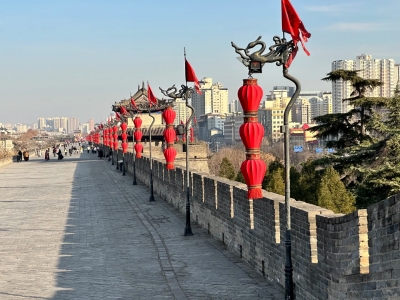
Xi'an Ancient City Wall Walk or cycle along the Ancient City Wall, stretching 13.7 km, offering panoramic views of the city and surrounding landmarks. Visit the Small Wild Goose Pagoda inside the Xian Museum, with serene gardens and Tang-era architecture. Explore museum exhibits featuring Silk Road relics, ceramics, sculptures, and religious artifacts.
Your driver will transfer you to Xian Xianyang International Airport for your departure flight, concluding your 13-day journey along the historic Silk Road.
MAKE AN INQUIRY TOP