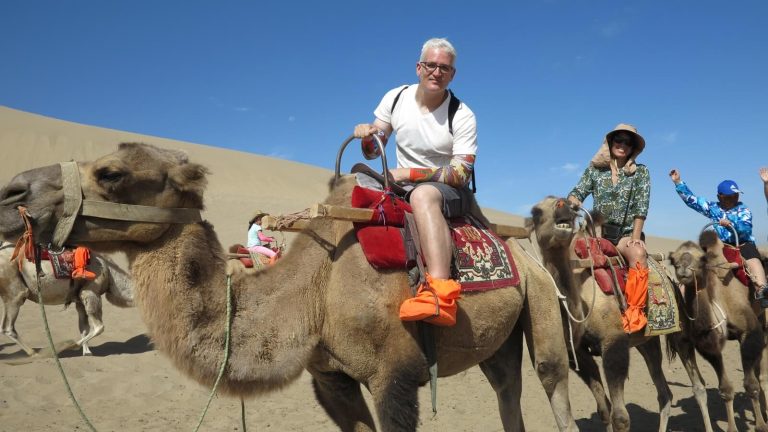
A good school trip begins with a learning question, not a list of attractions. China gives students the chance to examine ancient history, living traditions, rapid urban change and new technology within one program.
For international schools and travel partners, the main task is to connect each visit to a clear educational purpose. A Great Wall visit can become a lesson in geography and engineering. A calligraphy workshop can introduce language, design and cultural discipline. A visit focused on artificial intelligence can lead to discussion about automation, ethics and the future of work.
Begin with Clear Learning Outcomes
Before choosing cities, decide what students should understand or be able to explain when they return. The answer will shape the route, the pace and the type of local experts or workshops required.
Choose One Main Theme
- History and cultural heritage
- Science technology engineering and mathematics
- Artificial intelligence robotics and responsible innovation
- Business supply chains and modern industry
- Mandarin language and intercultural understanding
- Urban development sustainability and future cities
A program can combine themes, but one central question helps the trip feel coherent. For example, students might investigate how China preserves its cultural heritage while developing new technology.
Match the Program to the Students
Younger students usually benefit from shorter visits, demonstrations and practical workshops. Older students can undertake interviews, compare evidence, examine business models and discuss the social impact of technology. The amount of travel should also suit the group's age and experience.
Beijing History and New Technology
Beijing tours works well at the beginning of a program because it introduces both China's historical foundations and its role in present-day government, research and industry.
Learning from Historic Beijing
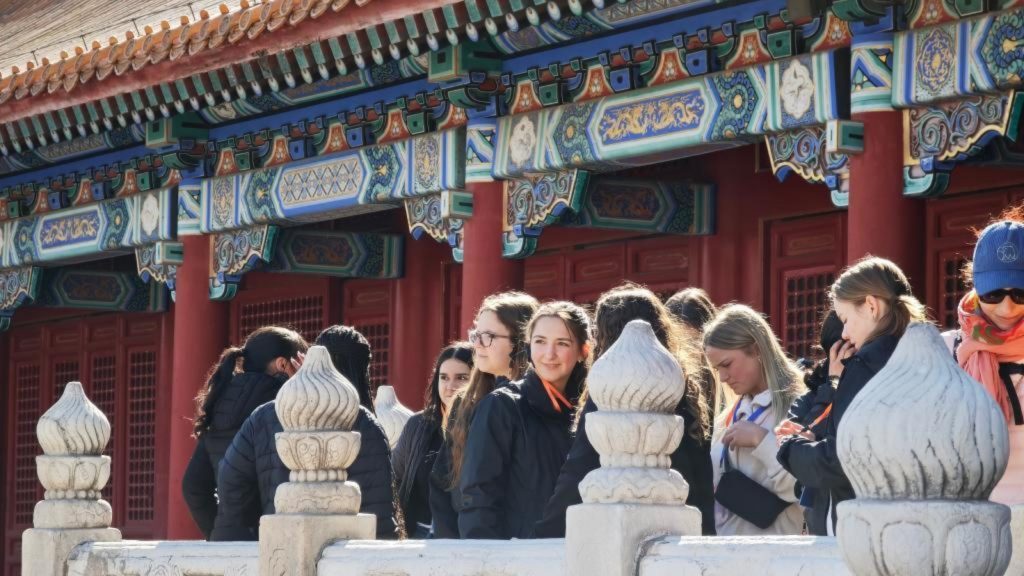
At the Great Wall, students can consider terrain, defence, labour and engineering. In the Forbidden City, they can examine architecture, symbolism and the organisation of imperial life. A guided walk through a hutong area can open discussion about community, housing and the pressures created by urban redevelopment.
These visits become more educational when students have a task. They might sketch how buildings control movement, compare old and new neighborhoods, or identify the relationship between geography and settlement.
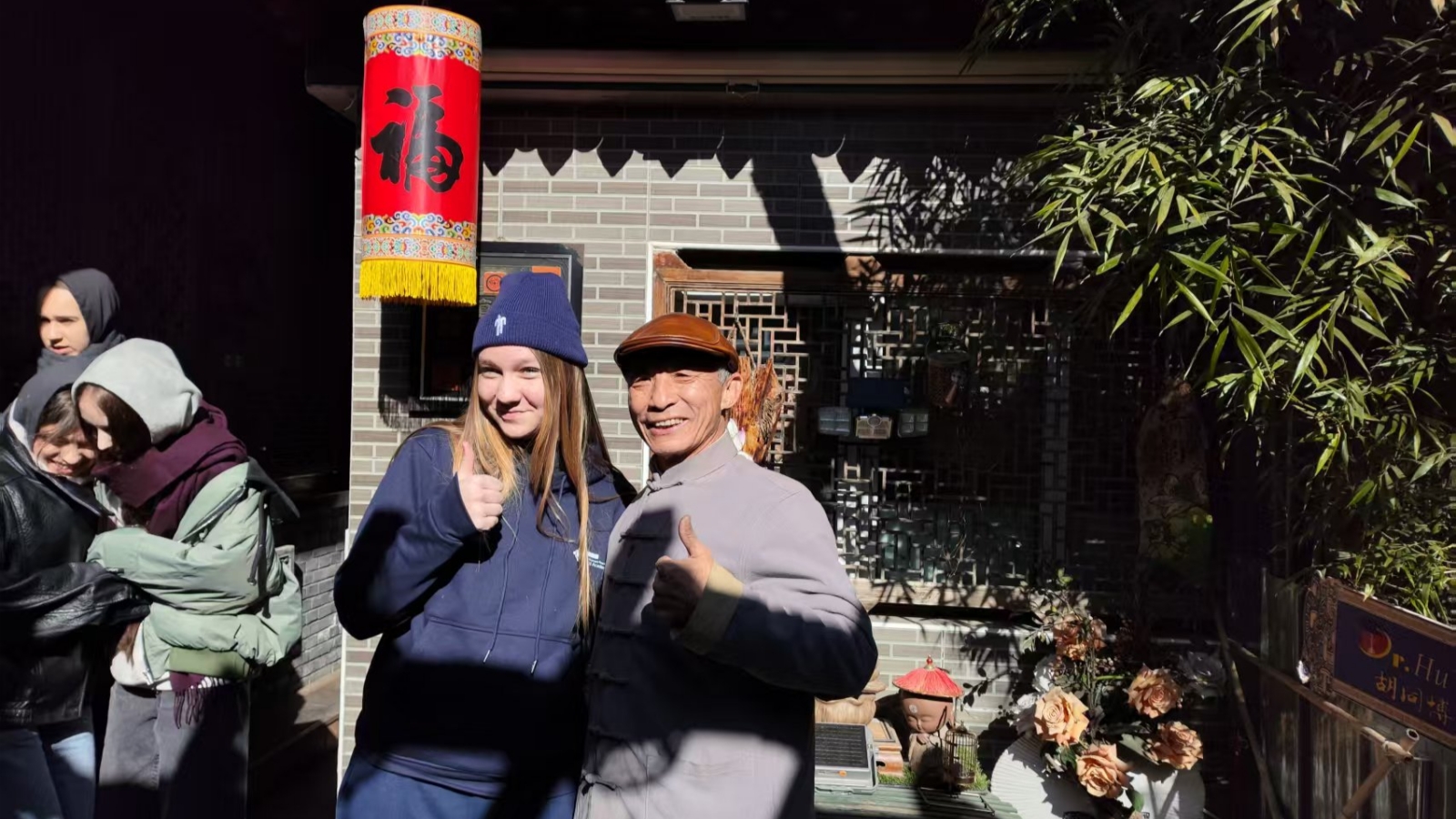
Students posing with their calligraphy workshop teacher in a Beijing hutong.
Learning from AI Robotics and Supply Chains
Beijing E-Town has developed public science and study routes connected with robotics, smart manufacturing and artificial intelligence. Depending on the date and the students' ages, a program may include Robot World, a technology exhibition or an approved factory visit.
A visit to JD or a related logistics facility may also be requested. Students can explore how online orders move through a supply chain, where robots and automated systems are used, and which decisions still require people. JD visits are not standard tourist admissions and must be confirmed in advance.
Useful student questions include how a robot senses its environment, why a warehouse uses automation, what data an AI system needs, and how companies balance efficiency with safety and employment.
Xian Cultural Learning Through Practice
Visiting Xi'an gives students a different view of China. It was an imperial capital, a starting point of the Silk Road and a meeting place for people, goods, languages and beliefs.
Archaeology and Silk Road Heritage
The Terracotta Warriors can support lessons in archaeology, conservation, political authority and craft production. The city wall helps students examine defence and urban planning. A carefully guided visit connected with the China's Silk Road heritage and Xi'an's Muslim heritage can introduce cultural exchange without reducing the area to a shopping stop.
Chinese Calligraphy Workshop
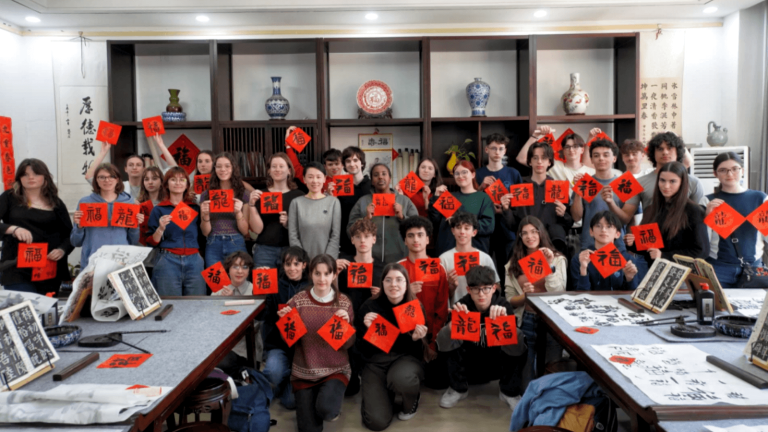
A calligraphy workshop gives students time to slow down and learn through practice. An instructor can introduce the brush, ink, paper and inkstone, followed by basic strokes and the structure of Chinese characters.
The educational value lies in more than producing a finished piece. Students observe how small changes in pressure and movement alter a character, consider the relationship between writing and visual art, and learn why repetition and control matter in traditional practice. A short seal-carving or paper-cutting activity can be added when it supports the learning theme.
Beijing Haidian iFLYTEK AI Experience Center
A technology-focused program in Beijing can include a visit to the iFLYTEK Beijing Facility and Artificial Intelligence Experience Center in Haidian District. Haidian is home to universities, research institutes and technology companies, making the visit a useful link between classroom subjects and commercial applications of AI.
Subject to approval, students can learn how iFLYTEK applies artificial intelligence to speech recognition, real-time transcription, multilingual translation, education, healthcare, office systems and other services. Demonstrations can help students see how a technology moves from research into products used in everyday settings.
The educational discussion can include how speech systems recognize different languages and accents, what data is needed to train an AI model, how personal information should be protected, and where teachers or other professionals must remain responsible for decisions.
Access depends on company approval, working schedules, student ages and group details, so the visit should be requested early and supported by a suitable alternative in Beijing.
Shanghai Urban Change and Future Cities
As the final city, a visit to Shanghai allows students to compare historic trading districts with a modern financial and technology center. It also provides a setting for drawing conclusions from the whole trip.
The City as a Classroom
A study of the Bund and Pudong can examine architecture, trade, migration and changes in land use. Students can compare the two riverbanks, record how public space is organised and discuss how transport systems support a large city.
Science AI and Robotics in Shanghai
The Shanghai Science and Technology Museum and other science education venues can support learning in ecology, engineering, aviation and emerging technology. Shanghai also has AI and robotics centers, research institutes and innovation spaces, although group access varies.
Instead of treating a technology visit as a product demonstration, teachers can ask students to evaluate a real application. Who benefits from it? What problem does it solve? What data does it use? What new risks or responsibilities does it create?
Turn Every Visit into Student Learning
The same itinerary can produce very different educational results depending on how students prepare and reflect. A simple three-stage structure helps turn visits into evidence of learning.
Stage | Student task | Purpose |
Before | Research one question and prepare a small glossary | Gives students enough context to ask informed questions |
During | Record observations sketches data or short interview notes | Keeps attention on evidence rather than passive sightseeing |
After | Create a presentation report debate or design response | Connects different cities and shows what students understood |
Build a Realistic Route
Core Route Beijing Xian and Shanghai
An eight to ten day program can combine Beijing, Xi'an and Shanghai using high-speed trains or a mix of rail and domestic flights. This route gives a clear progression from national history to Silk Road culture and then to urban and technological change.
- Beijing for history, robotics and modern industry
- Xi'an for archaeology Silk Road learning and cultural workshops
- Shanghai for urban studies science and future-city projects
Optional Technology Stop
Allow around half a day for the requested iFLYTEK visit in Beijing, including travel time, the experience center and a question-and-answer session where available. It should replace another Beijing activity rather than make the schedule too crowded.