Tibet is one of the world's most extraordinary travel destinations, known for its dramatic Himalayan landscapes, ancient monasteries, sacred lakes, and deeply rooted Buddhist culture. But because of Tibet's high altitude and unique climate, choosing the right season can greatly affect your travel experience.
For most travelers, spring and autumn are considered the ideal seasons because of comfortable temperatures, clearer skies, and excellent mountain visibility. However, summer and winter also have their own unique advantages depending on your travel style and interests.
This guide explains the best time to visit Tibet for weather, scenery, festivals and different types of travel experiences.
Why Timing Matters When Visiting Tibet
Unlike many other destinations in China, Tibet has a unique plateau climate shaped by high altitude and dramatic mountain geography. Much of the region sits above 4,000 meters (13,000 feet), which creates dramatic seasonal weather differences.
In some months, travelers can enjoy sunny skies and breathtaking views of the Himalayas. In others, snow, cold temperatures, or seasonal rain may affect transportation and sightseeing conditions.
The time of year you visit Tibet can influence:
- Weather and temperatures
- Visibility of mountain landscapes
- Festival experiences
- Road and transportation conditions
- Crowds and travel costs
- Trekking and photography opportunities
Because of these factors, planning your Tibet trip around the right season is very important.
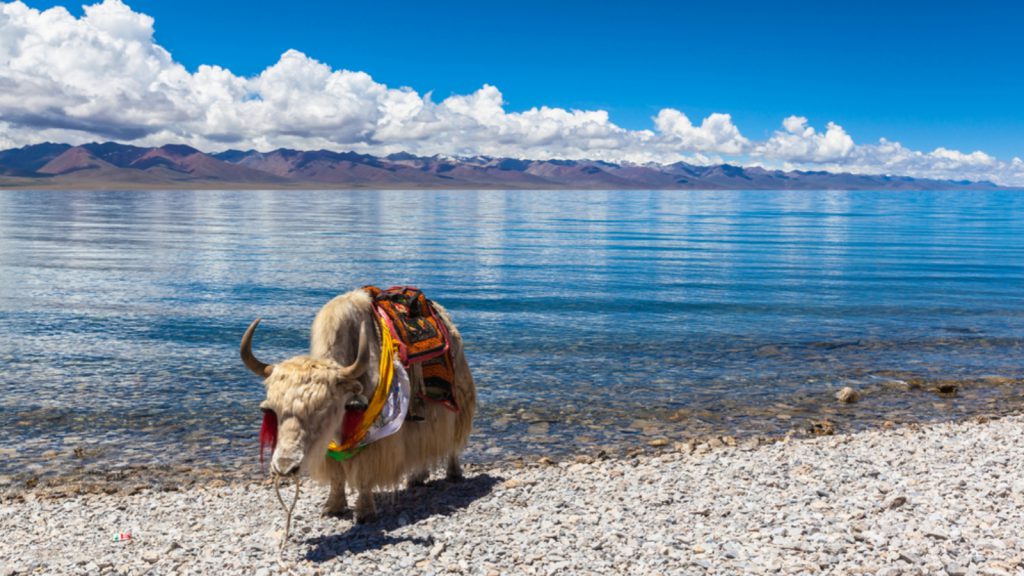
The sacred waters of Namtso, mirroring the endless blue sky and towering mountains.
The Best Season to Visit Tibet Overall
For most travelers, the best time to visit Tibet is from April to October, especially during spring and autumn.
These seasons are especially popular because they provide some of the most comfortable and reliable travel conditions in Tibet:
- Comfortable daytime temperatures
- Relatively stable weather
- Clear skies and better mountain visibility
- Easier road and transportation conditions
- Excellent scenery for photography
Among all seasons, September and October are often considered the very best months to visit Tibet because the skies are usually clearer after the summer rains, creating spectacular views of the Himalayas and Mount Everest.
Seasonal Breakdown: What to Expect Year-Round
Tibet offers very different travel experiences throughout the year, with each season bringing unique weather, landscapes, festivals, and travel conditions.
Visiting Tibet in Spring (March to May)
Spring is one of Tibet's most underrated travel seasons. As winter slowly fades, snow begins melting across valleys and lower mountain regions, while temperatures gradually become more comfortable for sightseeing.
Average temperatures in Lhasa typically range between:
- 5°C to 18°C (41°F to 64°F)
Spring offers a quieter and more relaxed atmosphere compared to the busy summer season.
It is an excellent time for travelers who want:
- Fewer crowds
- Pleasant daytime temperatures
- Clear skies for photography
- Easier permit availability
- Lower travel costs than peak season
The scenery around Lhasa and southeastern Tibet also becomes more colorful as flowers begin blooming across valleys and farmland.
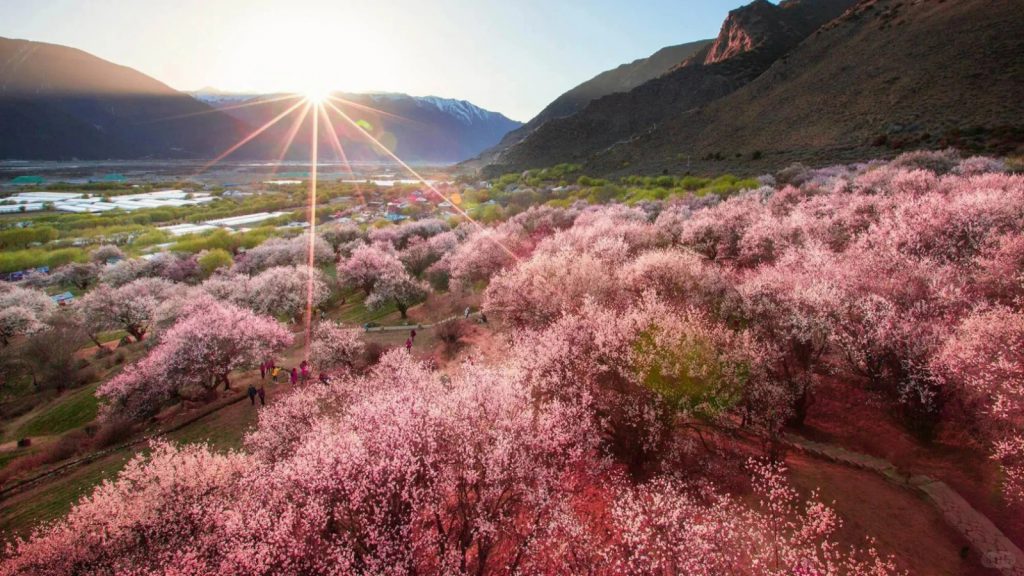
Sunrise over the pink wonderland of Nyingchi, Tibet.
Best Spring Experiences
Spring is ideal for:
- Exploring Tibetan monasteries
- Visiting Potala Palace
- Cultural photography
- Scenic overland journeys
- Early trekking routes
Many travelers also combine Tibet with nearby destinations such as Chengdu or Xining as part of broader multi-city China itineraries.
Visiting Tibet in Summer (June to August)
Summer is Tibet's warmest and greenest season. Vast grasslands turn vibrant green, lakes become intensely blue, and mountain valleys feel alive with wildlife and local nomadic activity.
This is also Tibet's busiest tourism season.
In Lhasa, daytime temperatures usually range between:
- 12°C to 24°C (54°F to 75°F)
Summer attracts both international and domestic travelers because of:
- Warmer weather
- Easier high-altitude adaptation
- Lush scenery
- School holiday travel
- Major Tibetan festivals
Summer is especially popular for travelers taking the famous Qinghai–Tibet Railway into Tibet, one of the world's most scenic rail journeys.
Summer Festivals in Tibet
Summer is also one of the best times to experience Tibetan festivals.
- Shoton Festival
Held in Lhasa during August, the Shoton Festival is one of Tibet's most famous celebrations. Giant Buddhist thangka displays, monastery ceremonies, traditional Tibetan opera, and local gatherings create an unforgettable cultural atmosphere.
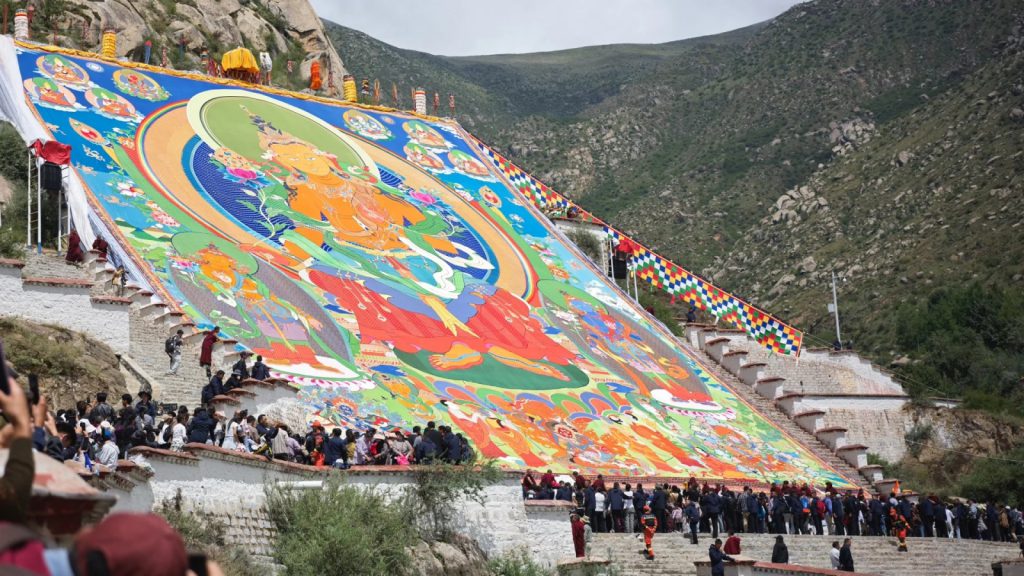
The iconic thangka unveiling ceremony at Drepung Monastery during the Shoton Festival.
- Nagqu Horse Racing Festival
Northern Tibet's grasslands become the setting for horse racing, archery competitions, traditional dances, and nomadic celebrations.
Visiting Tibet in Autumn (September to October)
Autumn is one of the best seasons for the popular Lhasa to Everest Base Camp itinerary, thanks to clear skies and stable weather conditions.
After the summer rains end, Tibet enters a period of:
- Crystal-clear skies
- Dry weather
- Stable temperatures
- Outstanding mountain visibility
This is the best season for viewing the Himalayas and photographing Tibet's dramatic landscapes.
Best Time for Everest Base Camp
Autumn is one of the best seasons to visit Mount Everest and Everest Base Camp from the Tibetan side.
Travelers often experience:
- Clear sunrise views
- Snow-capped mountain scenery
- Strong visibility conditions
- Stunning night skies
This is also one of the best times for photography enthusiasts.
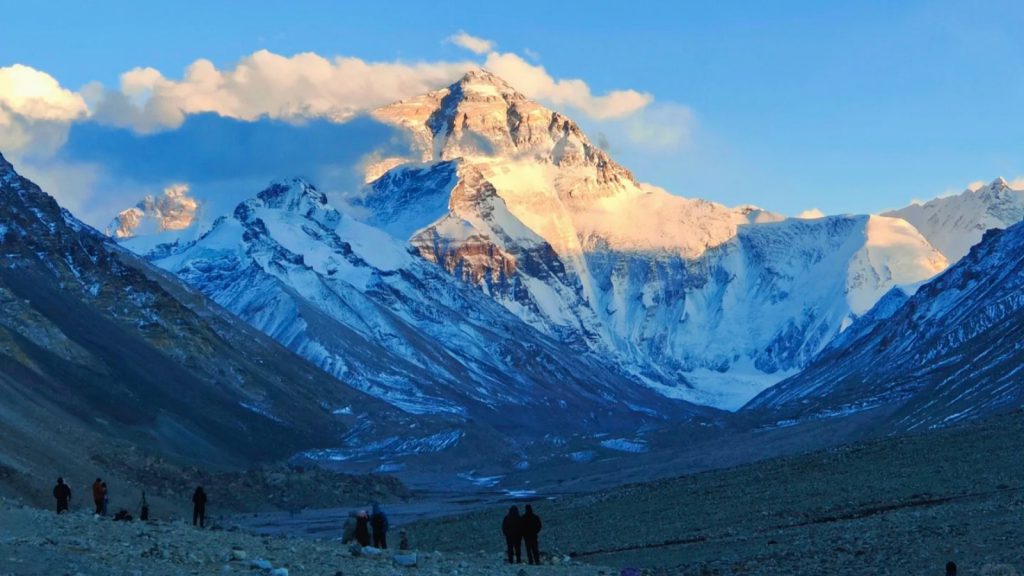
Sunrise view of Mount Everest from the North Base Camp in Tibet.
Autumn Scenery in Tibet
In eastern and southeastern Tibet, forests and valleys begin turning golden during autumn, creating dramatic contrast against snow-covered mountains and bright blue skies.
Popular photography regions include:
- Nyingchi
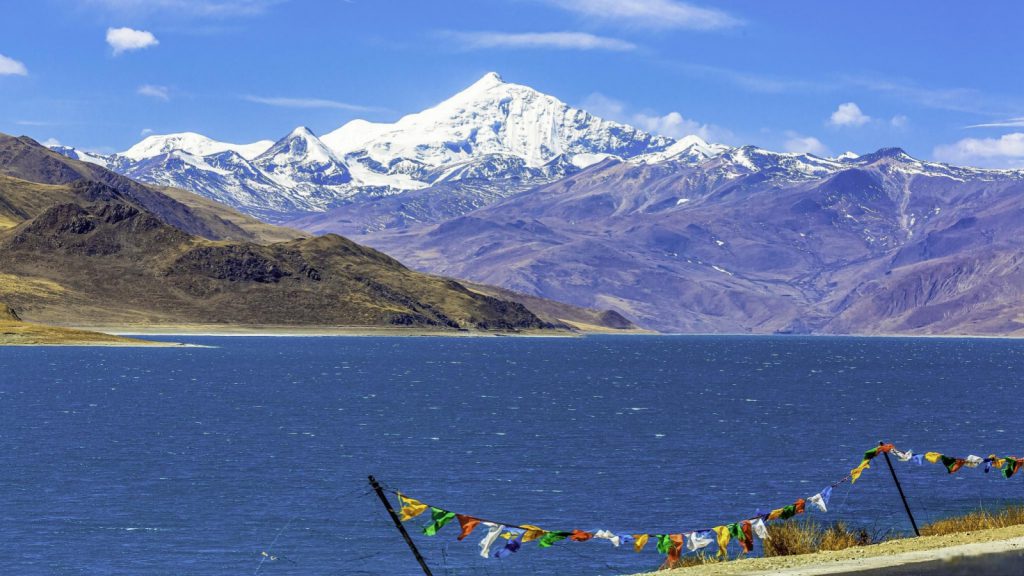
- Yamdrok Lake
- Everest region
- Tibetan grasslands
Visiting Tibet in Winter (November to February)
Many travelers assume Tibet is impossible to visit during winter, but this is not true.
Winter can actually be one of the most unique and rewarding times to experience Tibetan culture.
Advantages of Visiting Tibet in Winter
Winter travel offers several benefits:
- Fewer tourists
- Lower hotel prices
- Quieter monasteries
- More authentic local atmosphere
- Easier photography without crowds
This season allows travelers to experience Tibetan daily life in a calmer and more traditional setting.
Tibetan New Year (Losar)
Tibetan New Year, known as Losar, usually falls between February and March.
This is one of Tibet's most important cultural festivals, featuring:
- Prayer ceremonies
- Monastery rituals
- Traditional Tibetan dances
- Family celebrations
- Butter lamp offerings
For cultural travelers, winter can be one of the most fascinating seasons to visit Tibet.
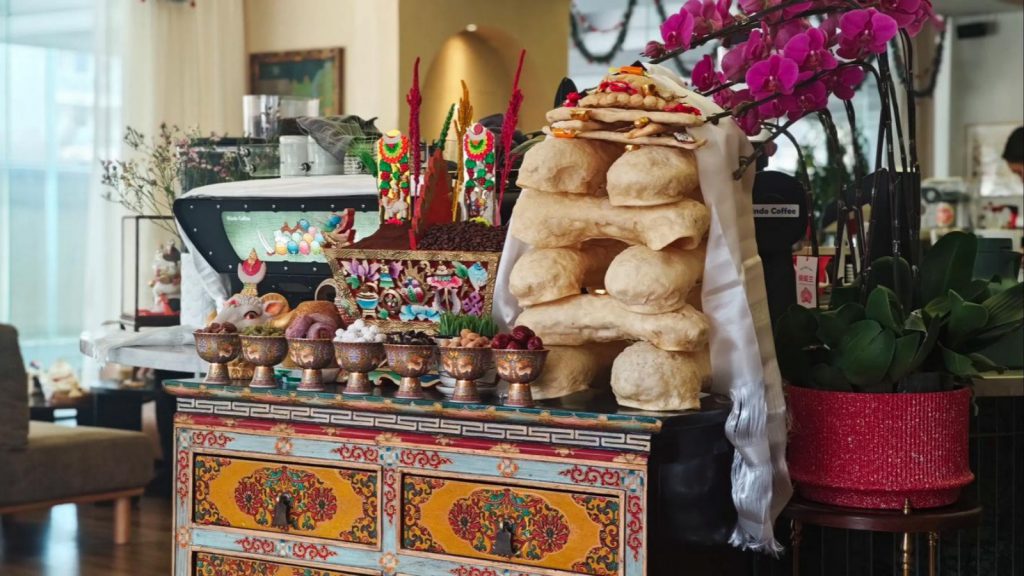
A traditional Tibetan Losar (New Year) offering display.
Best Time to Visit Tibet for Different Travel Styles
Different seasons suit different types of travelers.
Best Time for First-Time Visitors
- April to June
- September to October
These months provide the best balance of weather, scenery, and transportation conditions.
Best Time for Photography
- September and October
Autumn offers Tibet's clearest skies and best mountain visibility.
Best Time for Trekking
- May to October
Most trekking routes are more accessible during this period.
Best Time for Festivals
- February/March: Losar Festival
- May/June: Saga Dawa Festival
- August: Shoton Festival
Festival dates vary according to the Tibetan lunar calendar.
Tibet Weather by Month Overview
| Month | Weather | Travel Experience |
|---|---|---|
| March | Cool & dry | Fewer tourists |
| April | Mild & sunny | Great for sightseeing |
| May | Comfortable | Excellent scenery |
| June | Warm | Popular travel season |
| July | Mild & greener | Rainy season begins |
| August | Warm & lively | Festival season |
| September | Clear skies | Best overall conditions |
| October | Cool & dry | Best Everest visibility |
| November | Cold & sunny | Quiet travel season |
| December–February | Cold | Cultural winter atmosphere |
Important Travel Tips for Visiting Tibet
Traveling in Tibet requires a bit more preparation than many other destinations due to its high altitude, unique climate, and special travel regulations.
Prepare for High Altitude
Altitude sickness can affect anyone, regardless of age or fitness level.
Most travelers spend their first few days acclimatizing in Lhasa before visiting higher-altitude regions. This is also why many Tibet itineraries keep the first day in Lhasa as “free time” to help travelers adjust to the altitude safely.
Pack Layers for Changing Weather
Tibet's weather can change quickly during the same day.
Even in summer, travelers should prepare:
- warm jackets
- sunglasses
- sunscreen
- thermal layers
- comfortable walking shoes
Book Tibet Permits Early
International travelers need a special Tibet Travel Permit to enter Tibet in addition to a valid Chinese visa.
During peak seasons such as summer and autumn, permits and train tickets should be arranged well in advance.
Consider Traveling by Train
Many travelers enter Tibet through the famous Qinghai–Tibet Railway from Xining, Chengdu, or other major Chinese cities.
The train journey itself has become one of China's most iconic travel experiences, offering spectacular plateau scenery before arriving in Tibet.
The best time to visit Tibet depends on the experience you are looking for. Spring and autumn offer clear skies, comfortable weather, and excellent mountain views, while summer brings vibrant festivals and greener landscapes. Winter, meanwhile, reveals a quieter and more spiritual side of Tibet.
No matter the season, Tibet offers unforgettable Himalayan scenery, ancient monasteries, and a unique cultural atmosphere unlike anywhere else in the world.