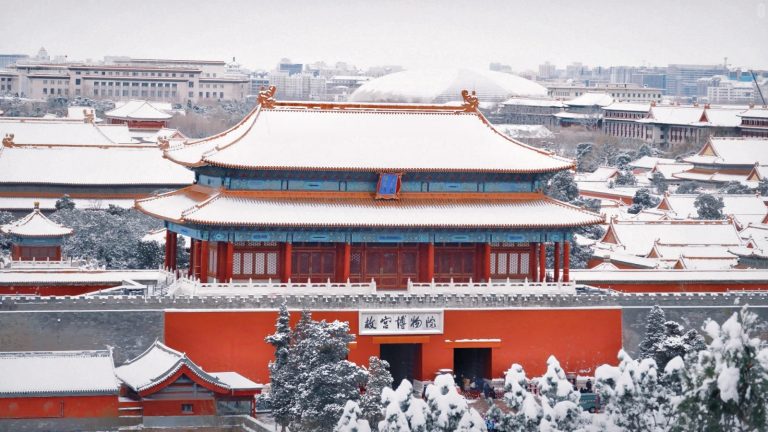
For many student groups traveling through China, Xi’an is where ancient history begins to feel real.
The city was the starting point of the ancient Silk Road and served as the capital of several Chinese dynasties. Its best-known historical site is the Terracotta Army, where thousands of life-sized clay warriors and horses were created for the burial complex of Qin Shi Huang, China’s first emperor.
Visiting the museum is usually the main reason student groups travel to the Lintong area. However, the experience does not have to end after they leave the excavation pits. Students can also join a workshop and make a small Terracotta Warrior of their own.
It is a simple activity, but it gives students a different way to remember what they have seen.
From Seeing the Terracotta Warriors to Making One
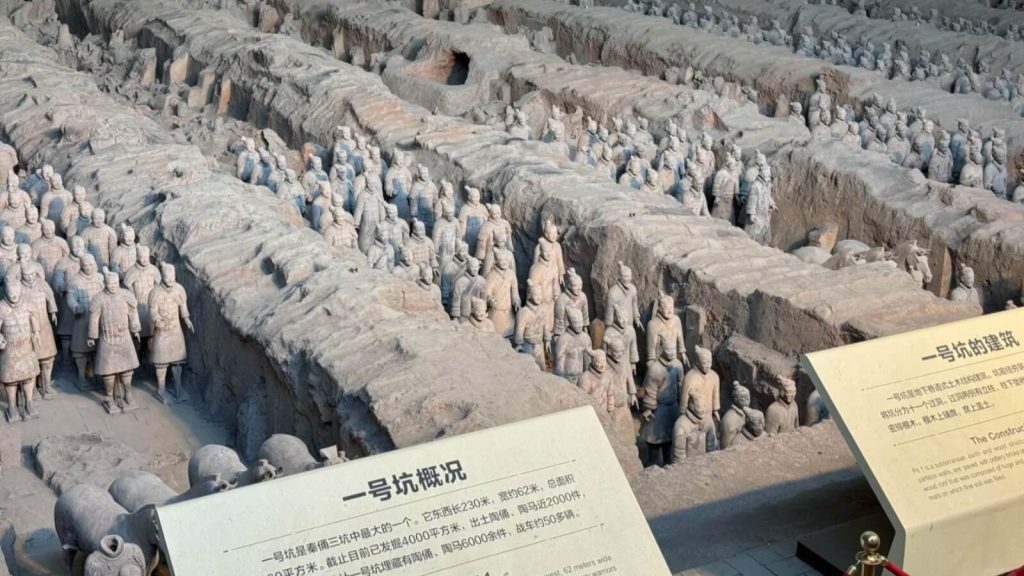
Inside the museum, students see long rows of warriors standing in the excavated pits. From a distance, the figures may initially appear similar. A closer look reveals differences in their faces, hairstyles, clothing, armour and posture.
Some figures represent ordinary soldiers, while others are archers, officers or generals. These differences help students understand that the Terracotta Army was created as an organized military formation rather than a collection of identical statues.
After seeing the original figures, students can take part in a workshop led by a local instructor. They work with clay and use a small mould to create the basic form of a warrior. Once the figure has been removed from the mould, they can smooth its surface, adjust its shape and add details by hand.
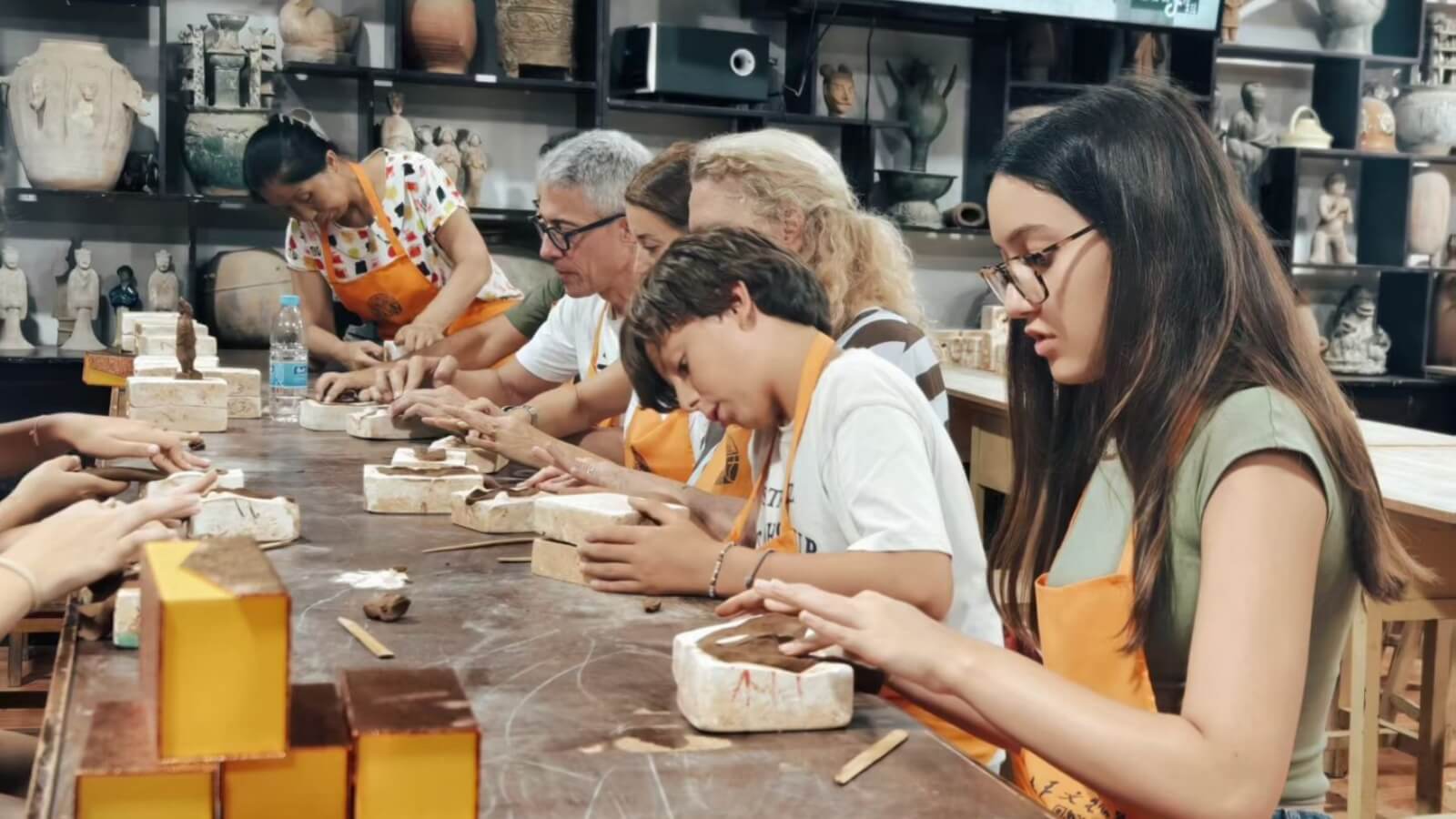
Making a small Terracotta Warrior in a workshop
Depending on the workshop, students may be able to choose a general, soldier, official or kneeling archer.
The activity is not intended to reproduce every stage of the ancient process. It is a shorter and more accessible introduction to how clay figures are formed. Even so, working with the material helps students appreciate the time and skill required to produce the original life-sized warriors.
How Were the Original Terracotta Warriors Made?
The original warriors were largely hollow and close to the size of real people.
Ancient craftspeople used a combination of moulding, hand modelling and clay-coiling techniques. Different sections of a figure could be made separately and then joined together. The face, hair, armour, clothing and other details were finished by hand.
The completed figures were fired in kilns and then painted. Although most of the warriors now appear grey or brown, they originally carried colours. Traces of pigment found during excavation have helped archaeologists understand how different the army would have looked when it was first completed.
Students do not need to study every technical detail before joining the activity. A short explanation from the guide or workshop instructor can help them understand why moulds are used, why the figures are hollow and why individual warriors do not all look the same.
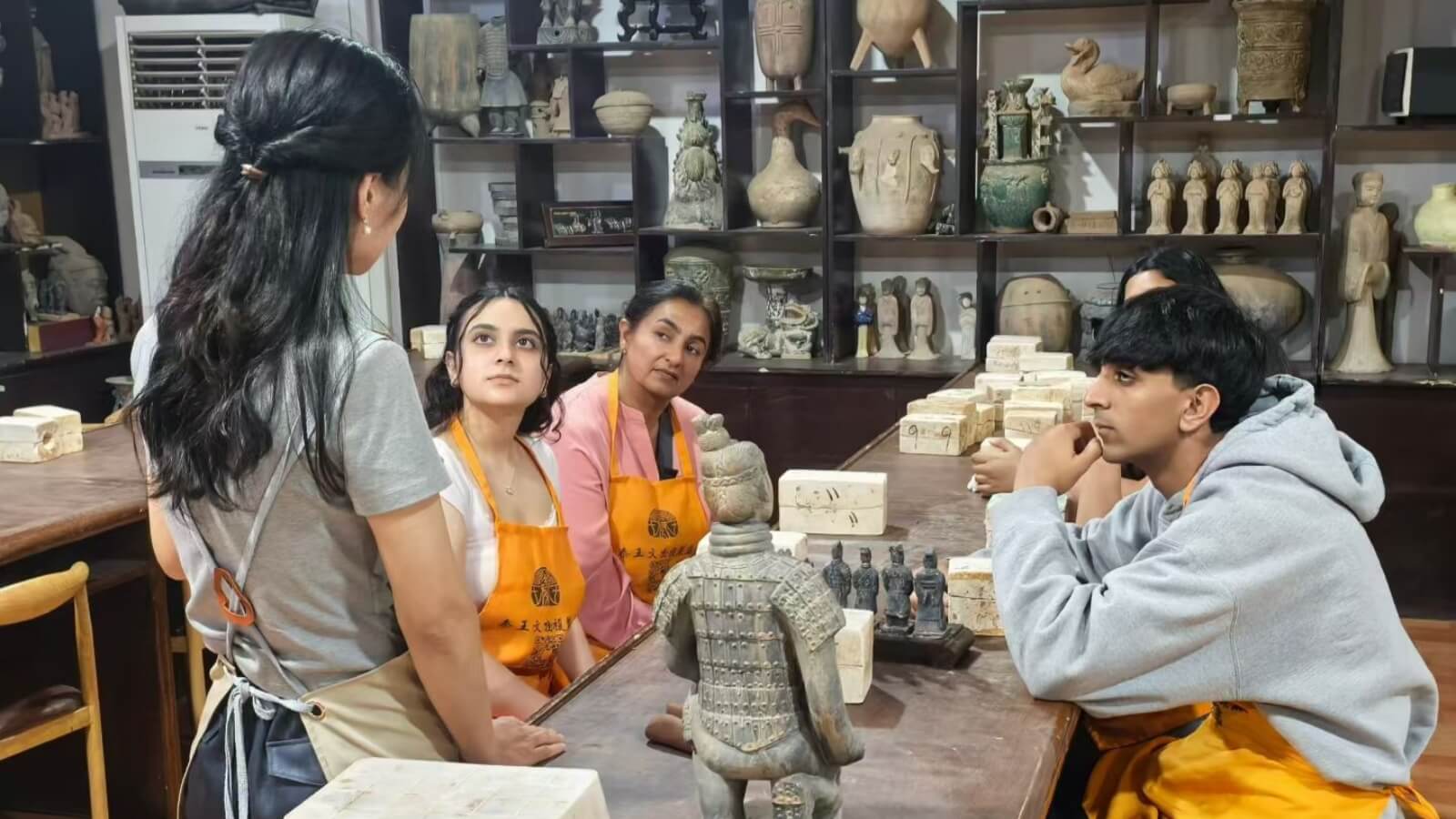
Students are listening to the explanation from the workshop instructor
What Happens During the Workshop?
The exact format depends on the students’ ages, the size of the group and the time available.
A typical activity may include preparing the clay, pressing it into a mould, removing the formed pieces and joining them together. Students then repair small imperfections and work on the surface details.
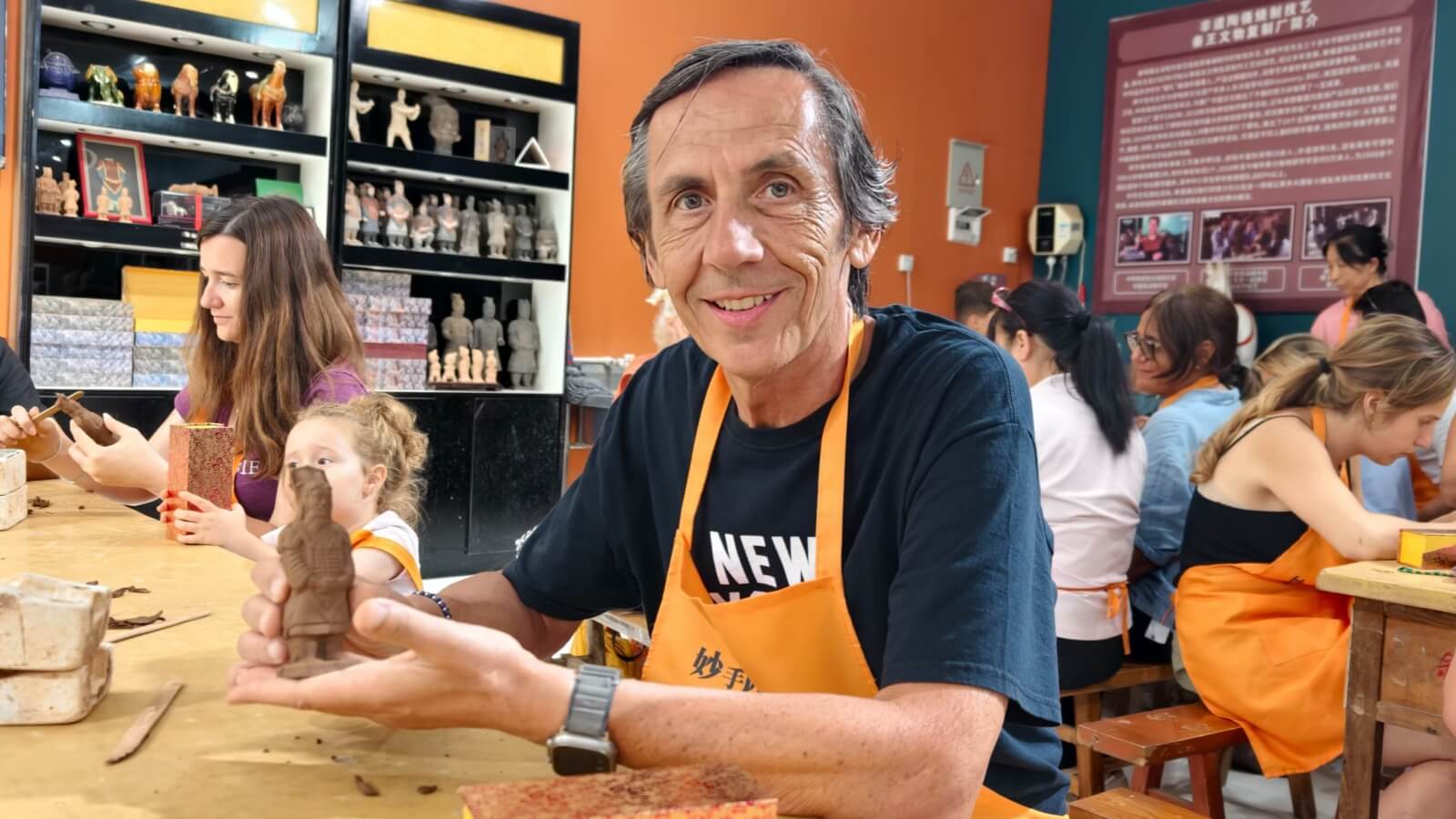
The teacher showing his clay warrior
Some workshops also include painting. Others concentrate only on clay modelling, particularly when the activity needs to fit into the same day as the museum visit.
There is no need for every finished warrior to look perfect. Small differences are part of the experience. Students often make changes to facial expressions, armour patterns or other details, giving each figure an individual appearance.
This also reflects something they have already seen in the museum: the original Terracotta Warriors share common forms, but each one has its own characteristics.
A Natural Addition to the Museum Visit
The workshop can be arranged before or after visiting the Terracotta Army.
If students visit the museum first, they can use what they have observed when making their figures. They may remember the shape of a warrior’s armour, the position of a kneeling archer or the hairstyle of an officer.
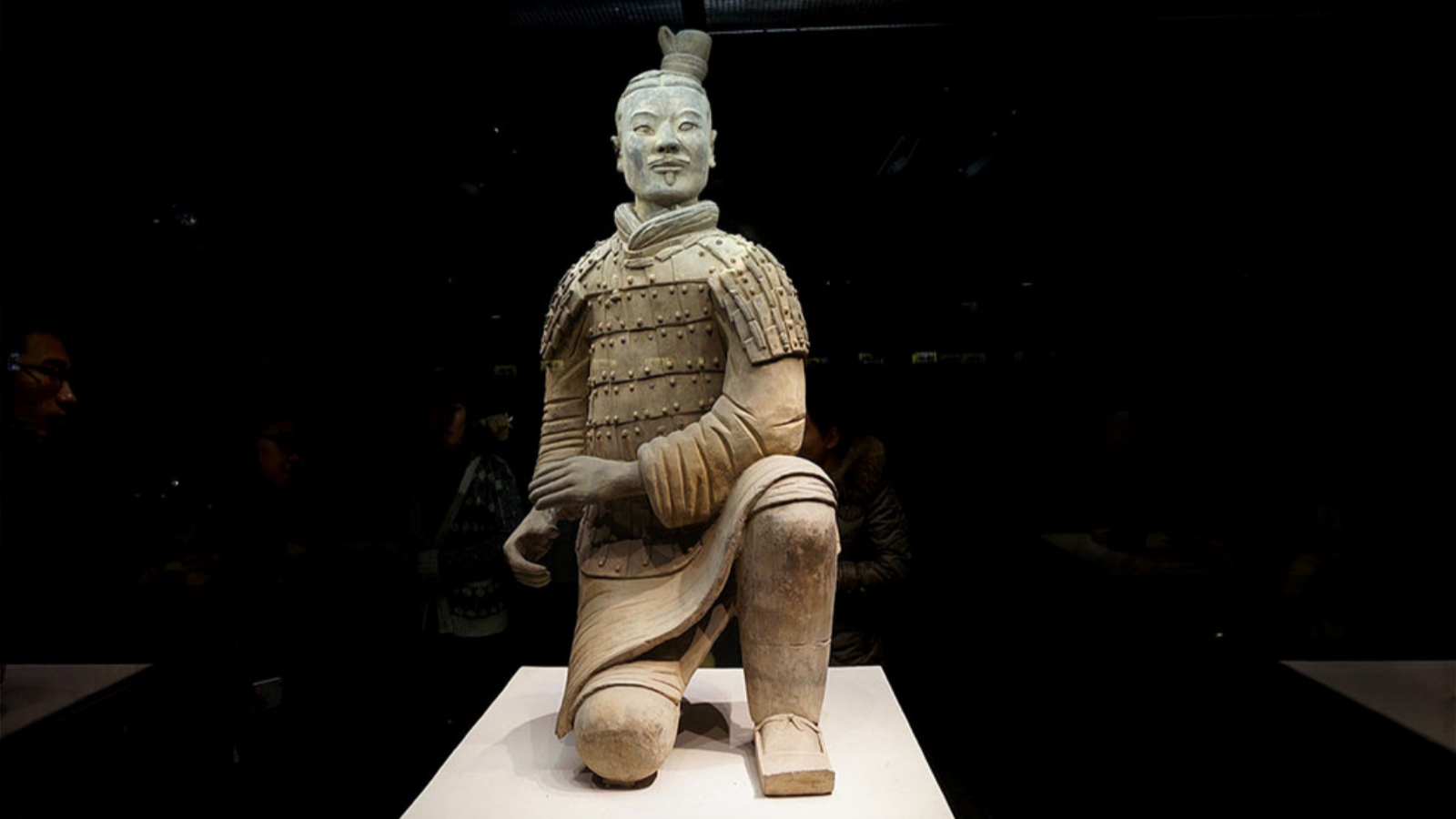
The Kneeling Archer in the museum
If the workshop comes first, students often enter the museum with more specific questions. They may pay closer attention to how the arms and heads were attached, how the clothing was represented in clay or how the figures were able to stand upright.
Either sequence can work. A China tour operator planning the program should consider the museum reservation time, traffic, lunch arrangements and the age of the students before deciding how to organize the day.
What Can Students Take Away from the Activity?
For younger students, the workshop is an enjoyable break from listening to explanations and walking through historical sites. They can sit down, work with their hands and create something connected to the place they have just visited.
For older students, it can lead naturally to conversations about archaeology, sculpture, ancient manufacturing and cultural heritage conservation.
Many of the Terracotta Warriors were found broken. The pits had experienced fire, structural collapse, water damage and other forms of destruction. Archaeologists and conservators have had to identify, assemble and restore large numbers of fragments.
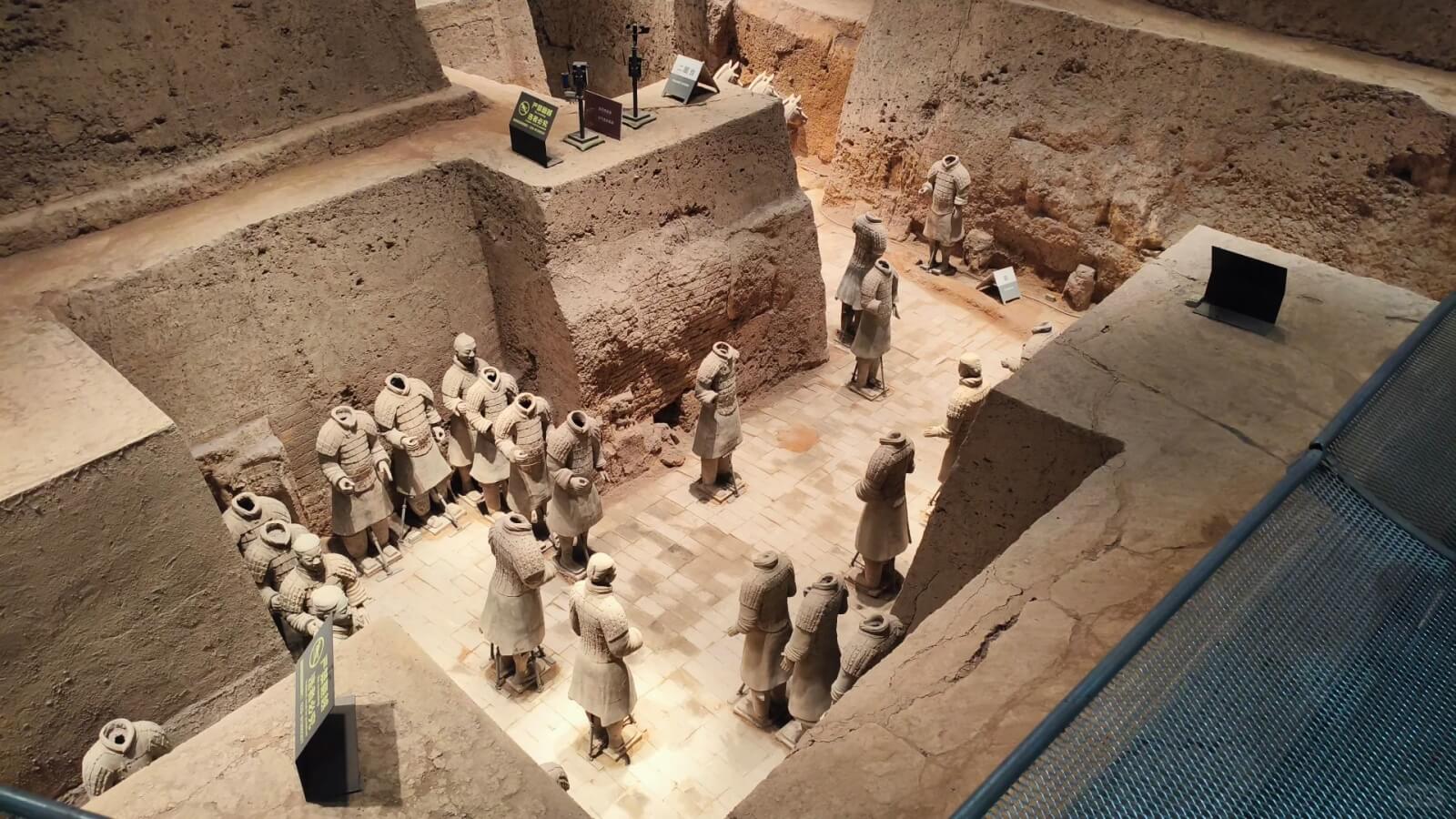
Broken Terracotta Warriors in the museum
Some workshops can include a simple restoration exercise in which students try to match and assemble replica pieces. This gives them a basic understanding of the patience involved in archaeological work without turning the visit into a formal lesson.
Can Students Keep the Warriors They Make?
This should be confirmed when the workshop is arranged.
Some small figures can be taken away after the activity. Other clay pieces may need time to dry or may require kiln firing before they are ready. If firing is included, the completed figures may need to be collected later or delivered to the group’s hotel.
For an overseas student group, the China tour operator should confirm how the figures will be packed and whether they will be ready before the group leaves Xi’an. This is especially important when the next destination is reached by flight or high-speed train.
The figures are usually small, but unfired clay can still be fragile. Suitable packaging makes it easier for students to carry their work for the rest of the journey.
Suitable for Different Types of Student Groups
The activity can be adapted for primary and secondary school groups, university students and educational travel programs, making it a good addition to school trips to China.
Younger students usually work well with a straightforward mould-based activity. Older students may be more interested in the original construction methods, the differences between military figures or the work involved in archaeological restoration.
For a large group, it may be better to divide the students into smaller classes. This gives the instructor more time to demonstrate each stage and assist students when they remove or assemble the clay pieces.
English interpretation can also be arranged so students understand both the practical instructions and the historical background.
A Different Memory of Xi’an
Students will take photographs of the Terracotta Army, listen to stories about the Qin Dynasty and see one of China’s most important archaeological discoveries.
Making a small warrior adds a personal experience to that visit.
The finished figure may not be perfectly shaped, and some of its details may look quite different from the original warriors. That is part of its value. It records the moment when a student did more than look at an ancient object and began to understand how it was made.
For student groups visiting Xi’an, a Terracotta Warrior workshop can be a relaxed and meaningful addition to the day—one that allows history, travel and practical experience to come together naturally.