Why Use These Itineraries?
Tibet is one of China's most extraordinary and logistically sensitive regions, and a true highlight of any in-depth journey. As your Tibet ground handling partner, we ensure smooth arrivals in Lhasa, proper altitude acclimatization, and a seamless journey all the way to Everest Base Camp. Travel here requires careful planning. Permit regulations, controlled routes, high-altitude conditions, and limited infrastructure can easily disrupt poorly managed programs. Our role as your Tibet DMC is to handle every detail—from permits and transportation to timing and on-the-ground coordination—so the entire experience remains smooth, safe, and unforgettable, from Lhasa to the Himalayas.
Highlights
- Visit Tibet‘s spiritual icons: Potala Palace and Jokhang Temple.
- Experience monk debates at Sera Monastery and relax at Norbulingka.
- Travel across the Tibetan Plateau with stunning views of Yamdrok Lake
- Explore Gyantse's highlights: Pelkor Chode Monastery and Kumbum Stupa.
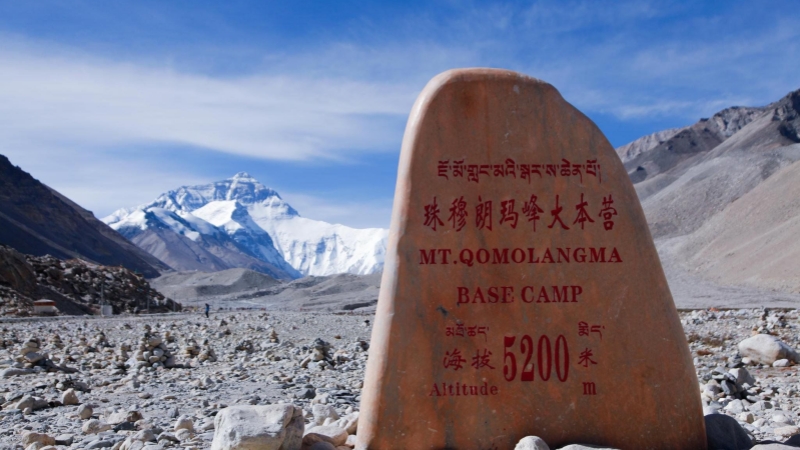
- Travel from Rongbuk Monastery to Everest Base Camp to admire the magnificent views of Mount Everest.
Detailed Itinerary
-
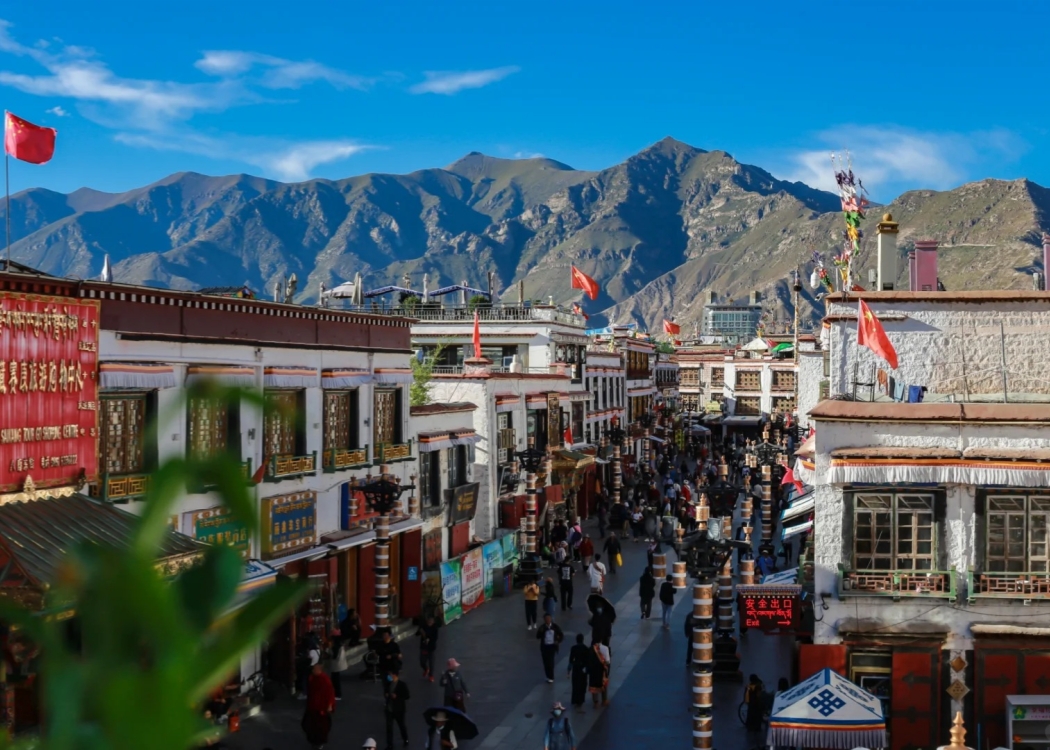
Barkhor Street, Lhasa Welcome to Tibet! Upon arrival at Lhasa Airport or Train Station, your guide will meet you and transfer you to your hotel.
During the transfer, enjoy scenic views of the Yarlung Tsangpo River and the vast Tibetan plateau. After hotel check-in, the remainder of the day is reserved for rest and acclimatization to the high altitude (3,650m). It is recommended to take it easy and stay well hydrated.
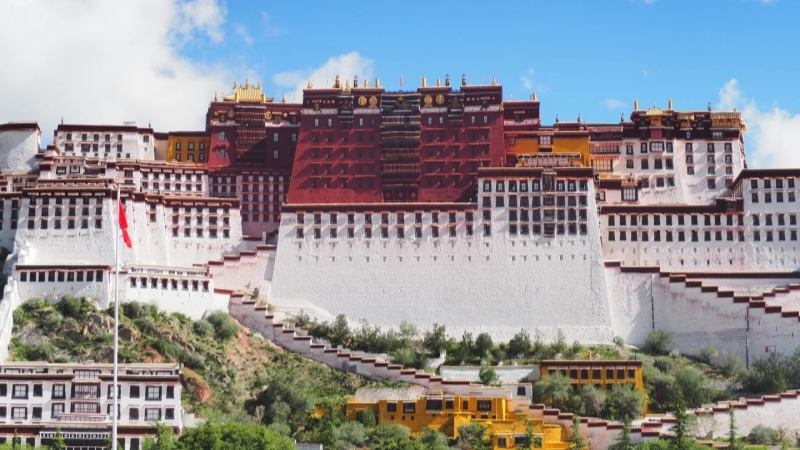
Potala Palace Begin your exploration with two of Tibet’s most sacred landmarks.
After breakfast, start with a visit to the magnificent Potala Palace, the former winter residence of the Dalai Lama. Rising above Lhasa, the palace is an architectural masterpiece filled with chapels, murals, scriptures, and golden stupas. The climb is gradual but rewarding, offering sweeping views over the city.
Continue to Jokhang Temple, the spiritual heart of Tibetan Buddhism. Pilgrims gather here from across Tibet, and the atmosphere is deeply devotional. Inside, you will encounter the revered statue of Jowo Shakyamuni.
Afterward, take a stroll along Barkhor Street, where traditional life unfolds through prayer wheels, incense, and local markets.
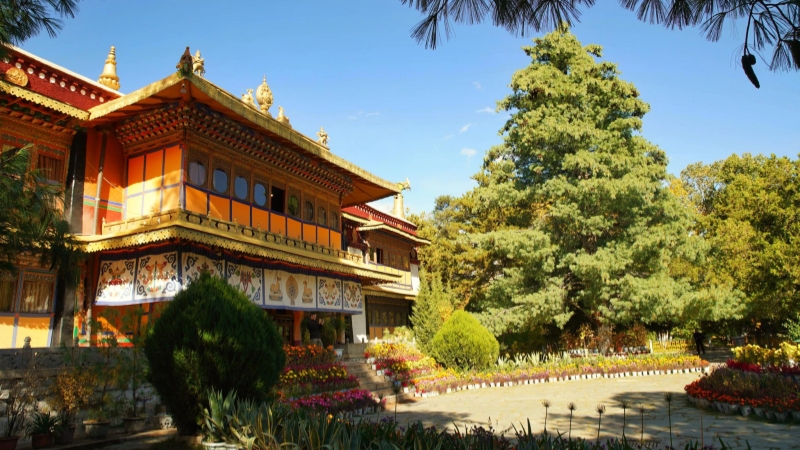
Norbulingka Park Today blends peaceful gardens with vibrant monastic life.
Start your day at Norbulingka, the former summer residence of the Dalai Lama. Known as the "Treasure Garden," it features tranquil parks, palaces, and beautifully landscaped grounds, offering a more relaxed contrast to the grandeur of Potala Palace.
In the afternoon, visit Sera Monastery, one of Tibet's great monastic universities. The highlight is the famous monk debate sessions, where philosophical discussions are expressed through animated gestures and clapping, providing a fascinating insight into Tibetan Buddhist traditions.
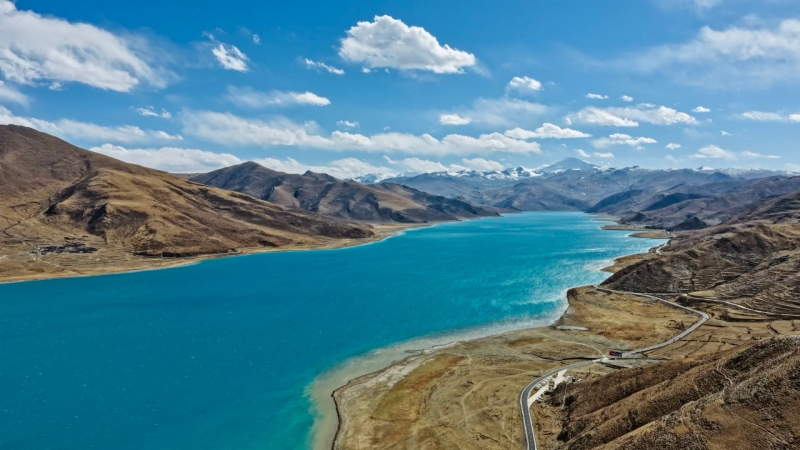
Yamdrok Lake Depart Lhasa in the morning and begin your scenic overland journey toward the Everest region.
Drive over Gampala Pass, where panoramic views reveal the stunning Yamdrok Lake. one of Tibet's three largest sacred lakes. Surrounded by snow-capped mountains, the lake's turquoise waters offer a breathtaking view. Continue your drive to witness the impressive Karola Glacier, a stunning icy expanse visible from the roadside.
Continue to Gyantse, a historic town known for its cultural landmarks. Visit Pelkor Chode Monastery and explore the remarkable Kumbum Stupa, famous for its unique multi-level structure and richly decorated chapels.
Afterward, proceed to Shigatse. Upon arrival, check into your hotel and relax after the day's journey.
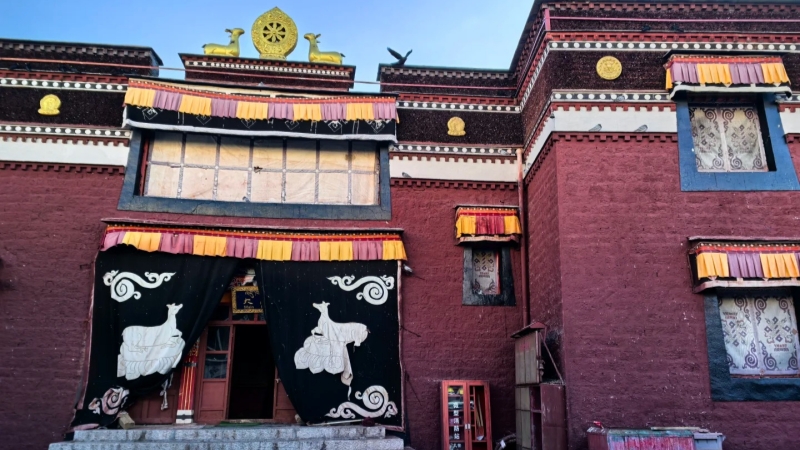
Rongbuk Monastery After breakfast, continue westward across the Tibetan plateau toward the Himalayas.
The route passes through remote highland scenery, with wide open plains, grazing yaks, and distant snow peaks. As you approach Everest, the landscape becomes more rugged and dramatic.
Visit Rongbuk Monastery, the highest monastery in the world, uniquely positioned with a direct view of Everest's north face.
Continue to the Everest Base Camp area (5,200m). If weather conditions are favorable, you may witness a spectacular sunset over Mount Everest, an unforgettable highlight of the journey.
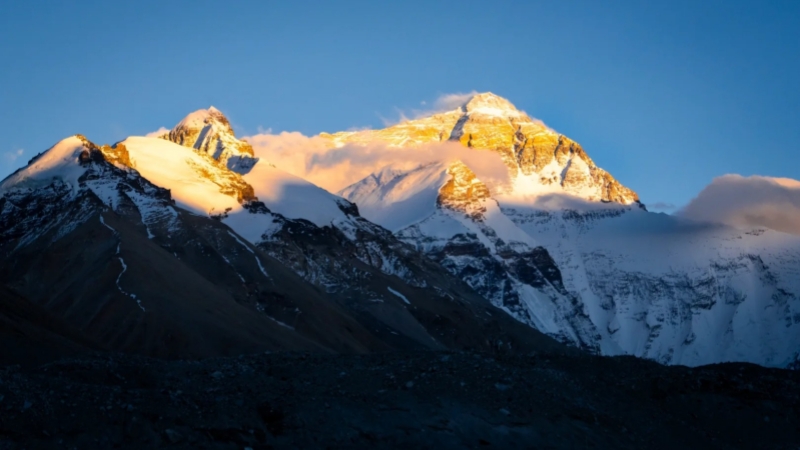
Mount Everest Shines Like a Golden Mountain Wake early to experience sunrise over Mount Everest, when the peak is illuminated by golden morning light.
Spend time at Everest Base Camp, walking around the area and taking in the immense scale of the world’s highest mountain and its surrounding glaciers. The stillness and raw beauty create a powerful and memorable experience.
Afterward, begin the return journey to Shigatse. The descent to a lower altitude will help you feel more comfortable. Upon arrival, check in and rest.
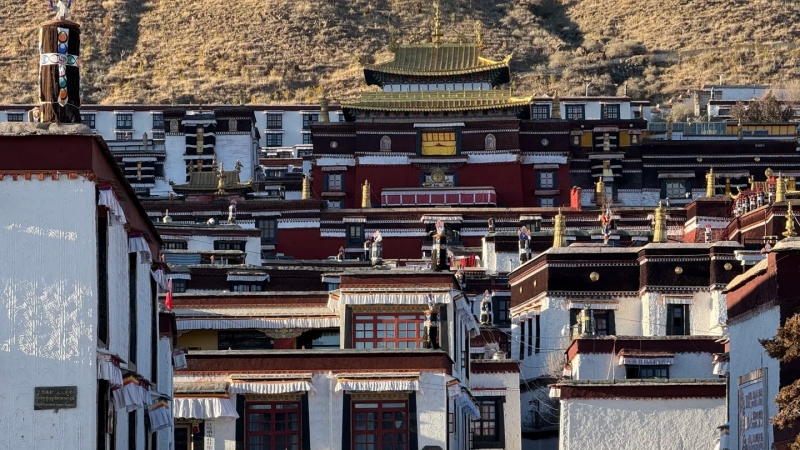
Tashilhunpo Monastery In the morning, visit Tashilhunpo Monastery, the traditional seat of the Panchen Lama. The monastery complex features grand halls, golden rooftops, and an impressive statue of the Future Buddha.
After the visit, begin your drive back to Lhasa along the Friendship Highway. The journey offers expansive views of the Tibetan plateau, with occasional stops for rest and photos.
Arrive in Lhasa in the late afternoon or evening.
After breakfast, you may enjoy some free time to explore Lhasa city at your own pace, depending on your flight or train schedule. This is a great opportunity for a final stroll through the city, pick up souvenirs, or simply immerse yourself in the unique atmosphere of Tibet.
Your guide will arrange the transfer to Lhasa Airport or the train station according to your departure time, ensuring a smooth and timely journey for your onward travel.
MAKE AN INQUIRY TOP