Questions we often get from travel agents is:
Why are we leaving the first day in Lhasa empty? Can we add something light?
Short answer: we strongly recommend not to.
Long answer: that first day is one of the most important parts of a successful Tibet program.
When your clients arrive in Lhasa (around 3,650 meters / 12,000 feet), their body is adjusting to a completely different environment—whether they realize it or not.
1. Your Client Is Already “Working Hard” Just by Arriving
Even though the oxygen percentage in the air is the same as at sea level, the air pressure is lower in Lhasa. That means your clients are getting significantly less oxygen with every breath.
What we see on the ground:
- Clients feel a bit short of breath
- Heart rate is higher than usual
- Even simple things (walking, talking, stairs) feel heavier
So even if they’re just sitting in the hotel, their body is already doing extra work.
👉 That’s why we treat Day 1 as a recovery and adjustment window, not a sightseeing day.
2. The Tricky Part: Altitude Symptoms Don’t Show Up Immediately
This is where many itineraries go wrong.
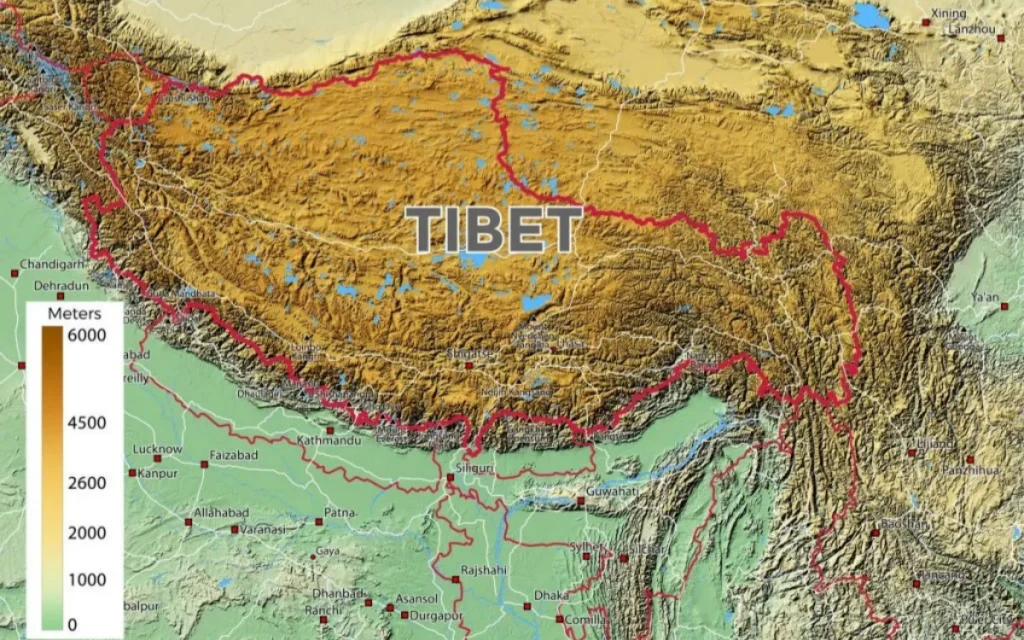
Tibet Topography map
Most clients don’t feel symptoms right away.
Altitude discomfort usually shows up 6 to 24 hours after arrival.
So what happens in real life:
- Client lands → feels okay
- Goes out sightseeing → still okay
- Returns to hotel → headache, nausea, trouble sleeping
We’ve seen this pattern many times.
👉 That’s why we prefer clients to spend that first window:
- Relaxing
- Hydrating
- Taking it slow
It makes a big difference the next day.
3. Hydration Becomes Twice as Important
At high altitude, the body loses water faster than usual.
Clients don’t always notice it, but dehydration builds quickly.
A quiet first day helps them:
- Drink more fluids
- Eat light meals
- Avoid overexertion
It sounds simple, but it’s one of the key reasons some clients feel fine on Day 2—and others don’t.
4. Easy and Relax on Day 1 Protects the Whole Trip
We always tell our partners this:
The first day in Lhasa is not “lost time”—it’s protection for the itinerary.
If a client reacts to the altitude, it’s much better:
- On Day 1
- In a comfortable hotel
- With easy access to support
Rather than:
- On Day 3
- On the way to Everest
- In a remote area
Clients who rest properly on the first day are much more likely to complete the full program comfortably.

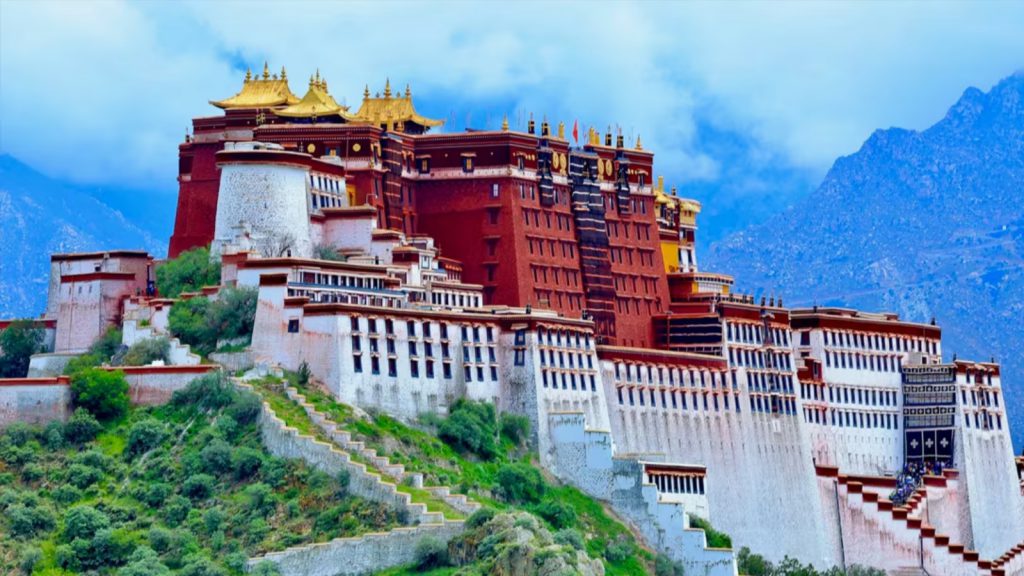
Historic Ensemble of the Potala Palace, Lhasa
5. Please Explain it to Your Clients
Here are a few simple ways to position it:
- “Tibet has its own pace”
“We always start slow so your body can adjust properly.” - “It’s an investment day”
“Resting today means you’ll enjoy everything more tomorrow.” - “You’re not doing nothing”
“Your body is already doing the hard work—you just don’t feel it yet.”
6. A Few Small Tips That Make a Big Difference
We usually remind clients:
- Take it easy (even if you feel fine)
- Drink plenty of water or tea
- Avoid alcohol on the first night
- Skip hot showers if possible (they can make headaches worse)
- Get a good night’s sleep
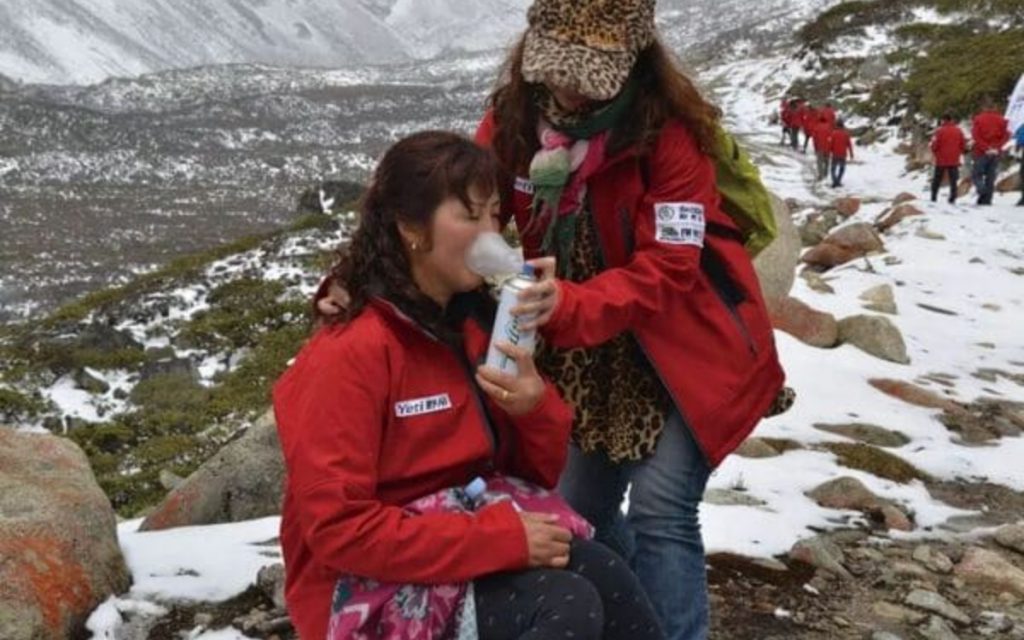
Acllimatization is important to prevent from altitude sickness
These are small details, but they really help with the adjustment for the clients.