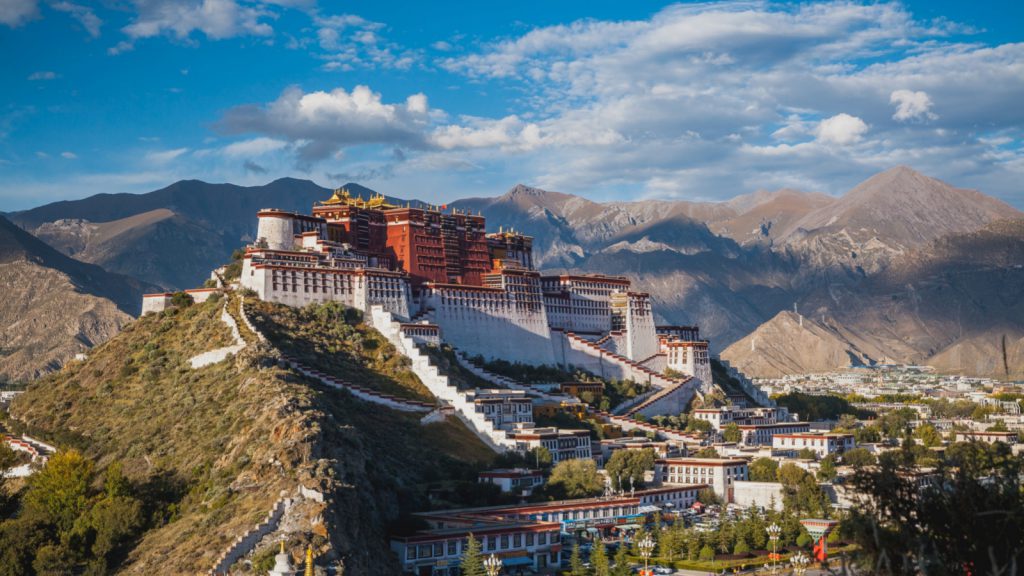
Traveling to Tibet is one of the most memorable journeys in China. Known for its sacred monasteries, snow-capped mountains, and vast plateau landscapes, Tibet offers a deeply unique cultural and natural experience. However, because most of the region lies above 3,000 meters, elevation sickness (also called altitude sickness or Acute Mountain Sickness—AMS) is a real challenge.
For foreign visitors, understanding how to prevent elevation sickness in Tibet is essential for a safe and enjoyable trip. This guide explains everything you need to know, from preparation to on-the-ground strategies, using practical, experience-based travel advice.
Understanding Elevation Sickness in Tibet
Elevation sickness occurs when the body cannot adapt quickly enough to reduced oxygen levels at high altitude. In Tibet, oxygen levels can be 30–40% lower than at sea level depending on elevation, which makes acclimatization necessary for almost all travelers.
At higher elevations, the air pressure decreases, meaning your body receives less oxygen with each breath. This can affect anyone, regardless of age or fitness level. Even experienced hikers may experience symptoms when arriving too quickly.
Most travelers experience mild symptoms within the first 1–3 days at high altitude. How severe these symptoms become depends on factors such as ascent speed, physical condition, hydration, rest, and prior altitude experience.
The key to a successful Tibet journey is not avoiding altitude entirely—but helping your body adapt gradually.
Common Symptoms of Altitude Sickness
Symptoms usually appear within 6–24 hours after arrival. Recognizing them early is essential.
Mild symptoms:
- Headache (most common early sign)
- Fatigue and low energy
- Loss of appetite
- Mild dizziness
- Difficulty sleeping or frequent waking
Moderate symptoms:
- Persistent headache even after rest
- Nausea or vomiting
- Shortness of breath while resting
- Increased heart rate
Severe symptoms (emergency):
- Confusion or disorientation
- Chest tightness or coughing
- Loss of coordination (difficulty walking straight)
- Extreme shortness of breath even at rest
If severe symptoms occur, immediate descent to a lower altitude and medical assistance are required.
People Who Are Not Suitable for Tibet Travel
While many people can safely visit Tibet with proper preparation, certain individuals should carefully consider medical risks before planning a trip. High-risk groups include:
1. People with serious heart conditions
- Coronary heart disease
- Severe arrhythmia
- History of heart failure
High altitude places additional strain on the cardiovascular system.
2. Individuals with severe respiratory diseases
- Advanced asthma
- Chronic obstructive pulmonary disease (COPD)
- Severe lung infections or reduced lung function
Low oxygen levels may worsen breathing difficulties.
3. Patients with uncontrolled hypertension
- High blood pressure not well controlled by medication
- History of stroke or vascular complications
Altitude can increase blood pressure and cardiovascular stress.
4. Pregnant women (especially late pregnancy)
- Reduced oxygen may affect both mother and fetus
- Travel should only be considered with strict medical approval
5. People recovering from recent surgery or serious illness
- Body may not be strong enough to handle oxygen stress
- Recovery should be complete before high-altitude travel
This does not mean travel is impossible, but medical clearance is essential. In many cases, doctors may recommend postponing travel or choosing lower-altitude destinations in China instead.
Pre-Travel Preparation: The Most Important Step
Good preparation is essential to prevent elevation sickness in Tibet effectively. Many issues can be prevented before you even arrive.
Get a health check before traveling
Consult a doctor, especially if you have heart, lung, or blood pressure conditions. Your doctor may recommend preventive medication such as Acetazolamide.
Build basic fitness (but don’t overtrain)
Light cardio exercises like walking or cycling can help your body handle oxygen changes better. However, extreme training is not necessary.
Plan a gradual altitude itinerary
Avoid flying directly into high-altitude areas without acclimatization. Whenever possible, arrive through lower-altitude cities and move upward slowly.
Smart Itinerary Planning in Tibet
Your travel route directly affects how your body adapts.
Most travelers begin in Lhasa, which sits at around 3,650 meters. While already high, it is still a safer acclimatization point compared to remote Himalayan regions.
Recommended itinerary strategy:
- Day 1–2: Rest in Lhasa only
- Day 3–4: Light sightseeing (temples, city walks)
- Day 5+: Gradual travel to higher regions like Shigatse or Yamdrok Lake
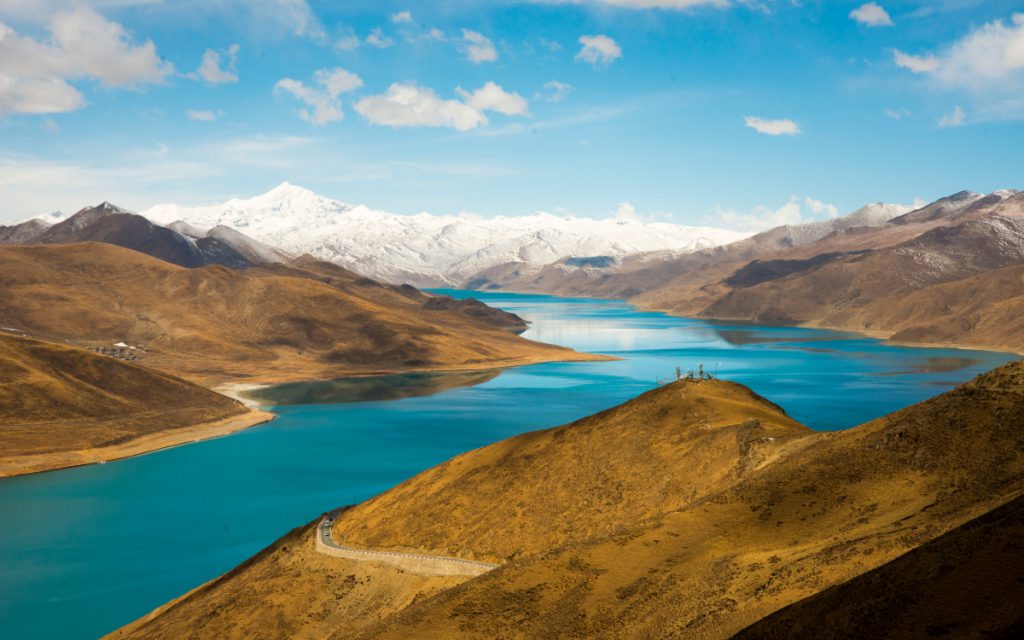
Yamdrok Lake
What to avoid:
- Immediate travel to Everest Base Camp
- Rapid multi-city hopping
- Long trekking activities in first 2–3 days
Slower travel improves both safety and enjoyment.
First 48 Hours: Critical Acclimatization Period
The first 24–48 hours after arriving in Tibet are the most important for adaptation.
Best practices:
- Rest in your hotel as much as possible
- Walk slowly if you go outside
- Avoid stairs or heavy lifting
- Keep your body warm (cold worsens oxygen stress)
- Sleep with slight head elevation if possible
What to avoid:
- Hot showers immediately after arrival (can cause dizziness)
- Long sightseeing tours
- Emotional or physical stress
Even if you feel fine, your body is still adjusting internally.
Hydration and Diet for High Altitude Adaptation
Proper hydration is one of the simplest yet most effective ways to prevent elevation sickness in Tibet.
Hydration tips:
- Drink small amounts of water frequently
- Aim for steady intake rather than large amounts at once
- Warm water or herbal tea is preferred
Diet recommendations:
- Light carbohydrate-based meals (rice, noodles, bread)
- Soups and warm dishes for digestion support
- Fruits like bananas and apples for energy
Avoid:
- Alcohol (significantly worsens oxygen absorption)
- Excess caffeine (can increase dehydration)
- Heavy meat-based meals in early days
Oxygen Support and Medical Assistance
Oxygen is widely available across tourist areas in Tibet, including hotels, buses, and scenic spots.
Types of oxygen support:
- Portable oxygen bottles (short-term relief)
- Oxygen rooms in hotels (controlled environment)
- Medical oxygen in clinics and hospitals
Oxygen provides temporary relief but does not replace acclimatization. Over-reliance can sometimes delay natural adaptation.

Portable oxygen bottles
When to seek medical help:
- Symptoms worsen after 24 hours
- Vomiting continues
- Breathing difficulty increases at rest
- Confusion or severe fatigue appears
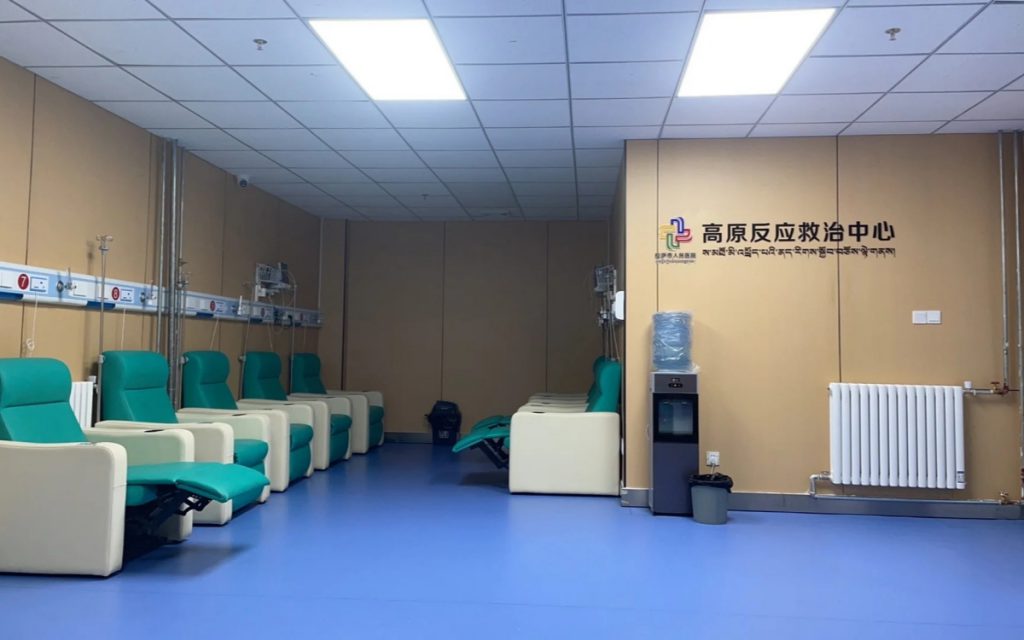
Lhasa Altitude Sickness Treatment Center
Do’s and Don’ts to Prevent Elevation Sickness in Tibet
Do:
- Rest properly on arrival
- Increase altitude gradually
- Stay hydrated continuously
- Monitor your body’s response daily
- Inform your guide if symptoms appear
Don’t:
- Rush travel itineraries
- Drink alcohol in the first 3–4 days
- Engage in intense physical activity early
- Ignore mild symptoms hoping they will disappear
What to Do If Symptoms Appear
If elevation sickness symptoms appear, immediate action is essential.
Step-by-step response:
- Stop all physical activity
- Sit or lie down in a comfortable position
- Drink warm water slowly
- Use oxygen if available
- Rest and monitor symptoms for 1–2 hours
If no improvement:
- Descend to a lower altitude immediately
- Seek medical evaluation
- Avoid further travel until fully recovered
Never attempt to “push through” worsening symptoms.
Travel Safety Tips for Tibet
A safe journey to Tibet is about preparation, pacing, and awareness.
To reduce risks further:
- Purchase comprehensive travel insurance that covers high-altitude regions
- Book with experienced local tour operators familiar with altitude travel
- Monitor weather and altitude conditions before daily travel
- Follow guide instructions carefully, especially in remote areas
Traveling to Tibet is not just about seeing a destination—it’s about experiencing one of the highest inhabited regions on Earth responsibly and safely.
To prevent elevation sickness in Tibet, travelers should respect the altitude and allow your bodies enough time to adapt gradually. With the right preparation, slow acclimatization, and awareness of your body’s signals, most travelers can safely enjoy the region’s extraordinary beauty.
By planning wisely and pacing your journey, your experience in Tibet can be both safe and unforgettable—allowing you to fully appreciate one of the world’s most unique high-altitude destinations.