Located in northwestern Yunnan, Shangri-La is one of China’s most memorable highland destinations. Famous for its Tibetan culture, mountain scenery, monasteries, and peaceful atmosphere, the region attracts visitors in every season.
Many travelers wonder whether winter is a good time to visit.
The answer is definitely yes.
Winter brings a quieter and more authentic side of Shangri-La. Snow-covered landscapes, bright blue skies, fewer tourists, and traditional Tibetan culture make this season especially rewarding for travelers who enjoy nature, photography, and slow-paced journeys.
Compared with many northern destinations in China, winter in Shangri-La is not extremely harsh. Although mornings and evenings can be cold, most winter days are sunny, dry, and comfortable for sightseeing.
This guide explains what winter weather is really like, why more travelers choose to visit Shangri-La in winter, the best places to explore, and practical travel tips to help you plan your trip smoothly.
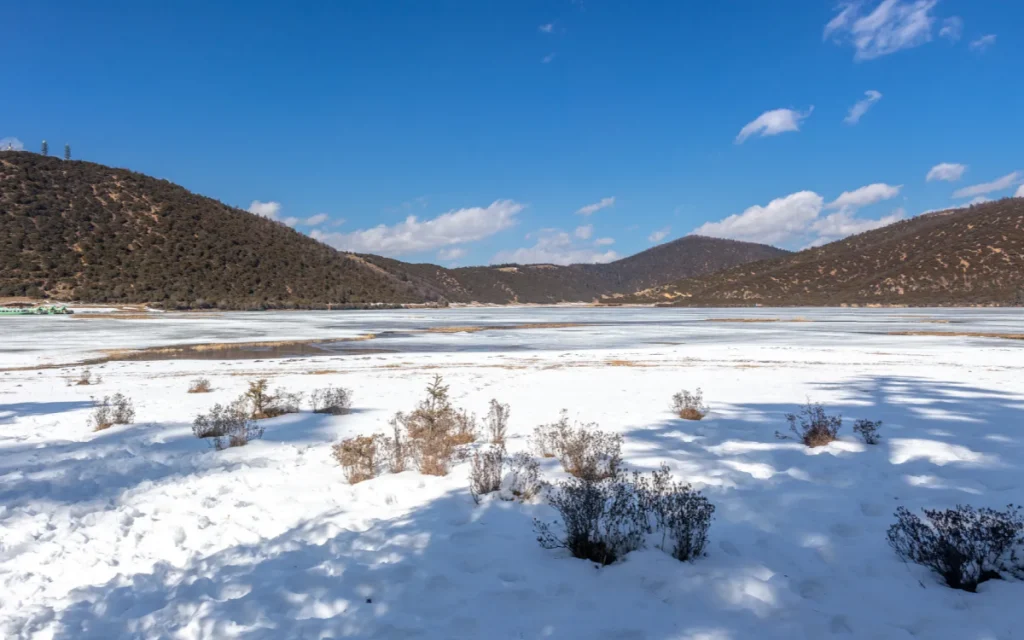
Potatso National Park in winter, Shangri-La
Winter Weather in Shangri-La
Shangri-La sits at an altitude of around 3,200 meters, temperatures are naturally cooler than places such as Kunming or Dali. However, winter is usually drier and sunnier than many visitors expect.
Average Winter Temperatures
- Daytime: 6°C to 15°C (41°F to 59°F)
- Nighttime: -10°C to 0°C (14°F to 32°F)
Most days are clear with strong sunshine. Snow occasionally falls in the old town, while higher mountain areas receive heavier snowfall. Large snowstorms are uncommon in the city itself.
Thanks to the dry climate and bright sunlight, daytime sightseeing often feels comfortable when dressed properly.
Is Winter Travel in Shangri-La Difficult?
For most travelers, winter travel in Shangri-La is straightforward with a little preparation.
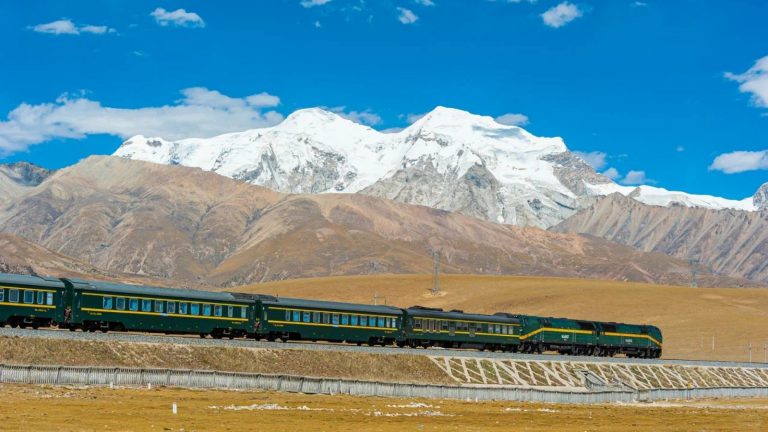
Transportation has improved significantly in recent years. Travelers can reach Shangri-La by:
- Domestic flights
- High-speed rail connections
- Private transfers from Lijiang
Road conditions between major tourist areas are generally stable during winter.
Still, visitors should prepare for:
- Cold mornings and evenings
- Strong UV exposure at high altitude
- Dry weather conditions
- Mild altitude discomfort during the first day
A slower itinerary is highly recommended, especially for first-time visitors to high-altitude destinations.
Why Visit Shangri-La in Winter?
Winter creates a completely different experience in Shangri-La. The snowy landscapes, Tibetan monasteries, and crisp mountain air make the region feel peaceful and dramatic at the same time.
Fewer Crowds and a More Relaxed Experience
Winter is considered the quieter travel season in Shangri-La. Compared with summer holidays and major Chinese public holidays, attractions become much calmer.
Popular sites such as Songzanlin Monastery and Dukezong Ancient Town are far less crowded, allowing visitors to explore at a slower pace and enjoy better photography opportunities.
Hotels and transportation are also often more affordable during winter, making the season attractive for more travelers.
Winter Landscapes
One of the biggest reasons to visit Shangri-La in winter is the scenery.
Winter landscapes often include:
- Snow-covered Tibetan villages
- Frozen lakes and alpine meadows
- Golden sunlight over monasteries
- Clear mountain views with excellent visibility
- Traditional Tibetan houses decorated for winter festivals
The dry plateau climate creates exceptionally clear skies, which is especially appealing for photographers.
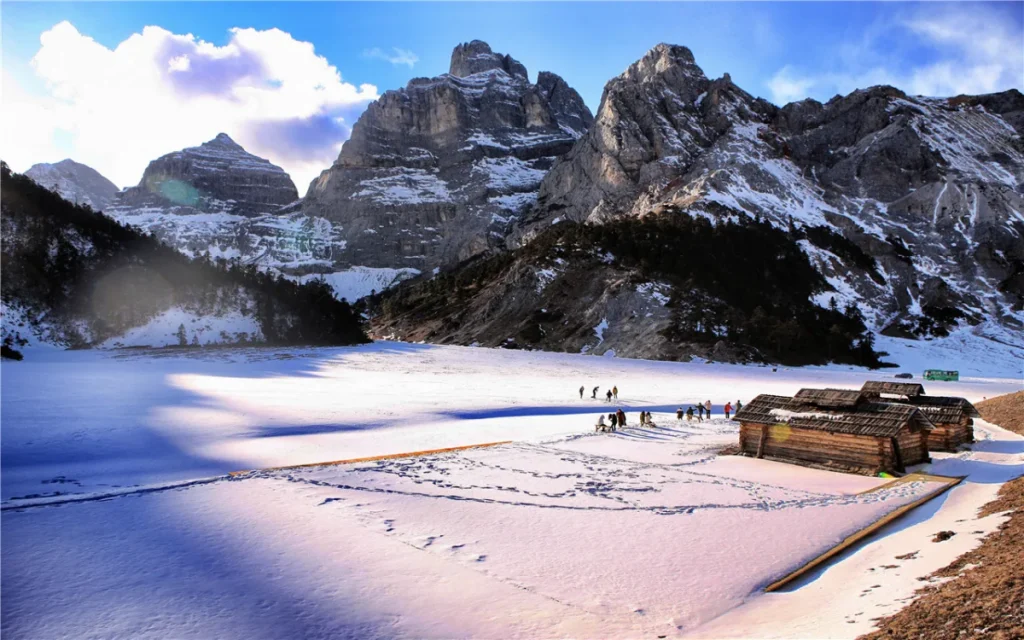
Balagezong Scenic Area in Winter
A More Authentic Tibetan Cultural Experience
Winter also offers a deeper cultural experience. With fewer tour groups around, daily Tibetan life feels more natural and less commercialized.
Visitors may experience:
- Tibetan prayer ceremonies
- Traditional butter tea and yak hotpot
- Local markets and handicrafts
- Tibetan family guesthouses
- Seasonal religious festivals
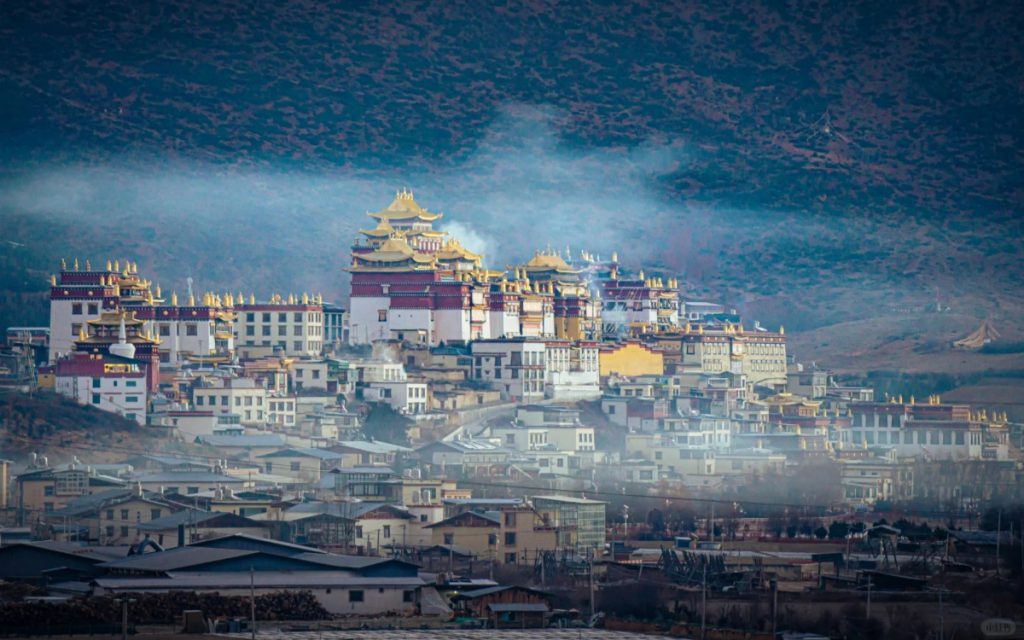
Songzanlin Monastery in the early morning
Best Things to Do in Shangri-La During Winter
Visit Songzanlin Monastery
Known as the largest Tibetan Buddhist monastery in Yunnan, Songzanlin Monastery is one of the highlights of any winter trip.
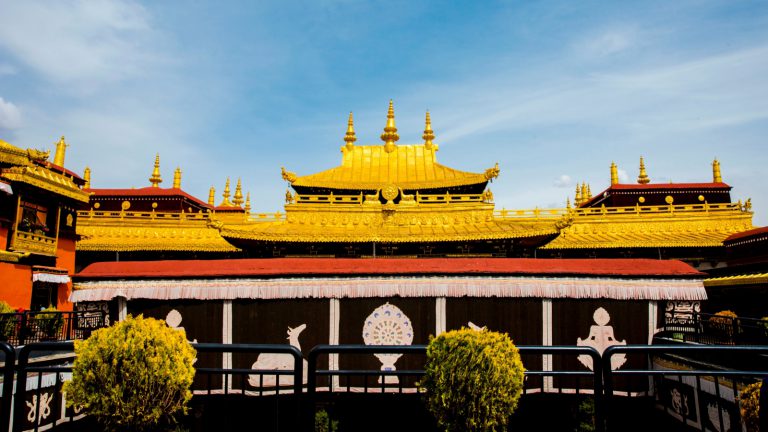
The golden rooftops look especially beautiful against snowy mountains and bright winter skies. With fewer tourists around, visitors can enjoy a quieter and more spiritual life inside the monastery halls.
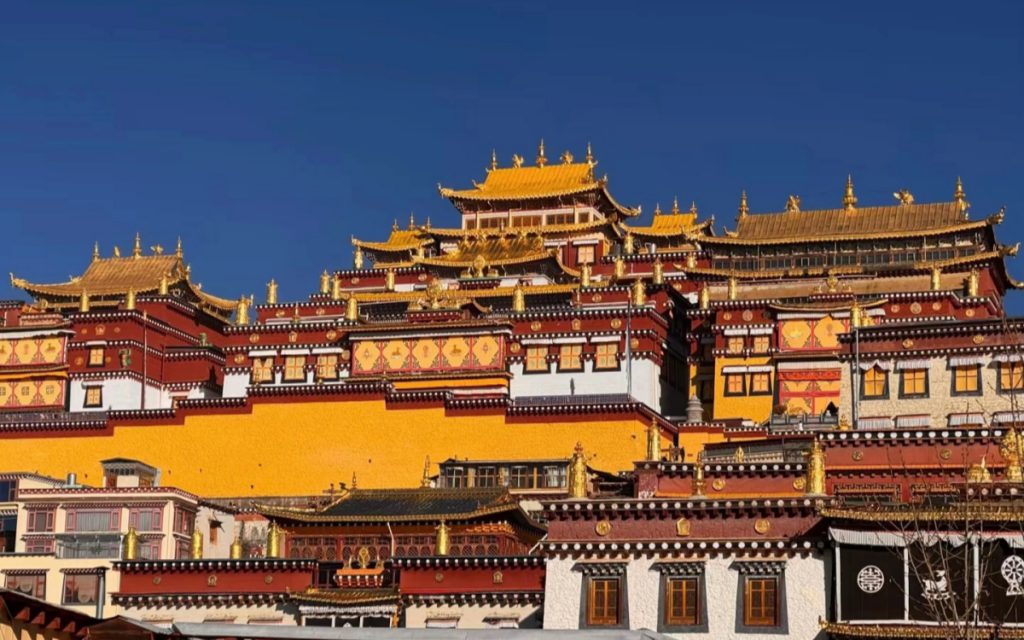
Songzanlin Monastery
Explore Dukezong Ancient Town
Dukezong Ancient Town becomes calmer and more atmospheric during winter evenings.
Traditional Tibetan-style buildings, prayer flags, tea houses, and narrow stone streets create an ideal setting for slow travel. At night, the warm lights of the old town contrast beautifully with the cold mountain air.
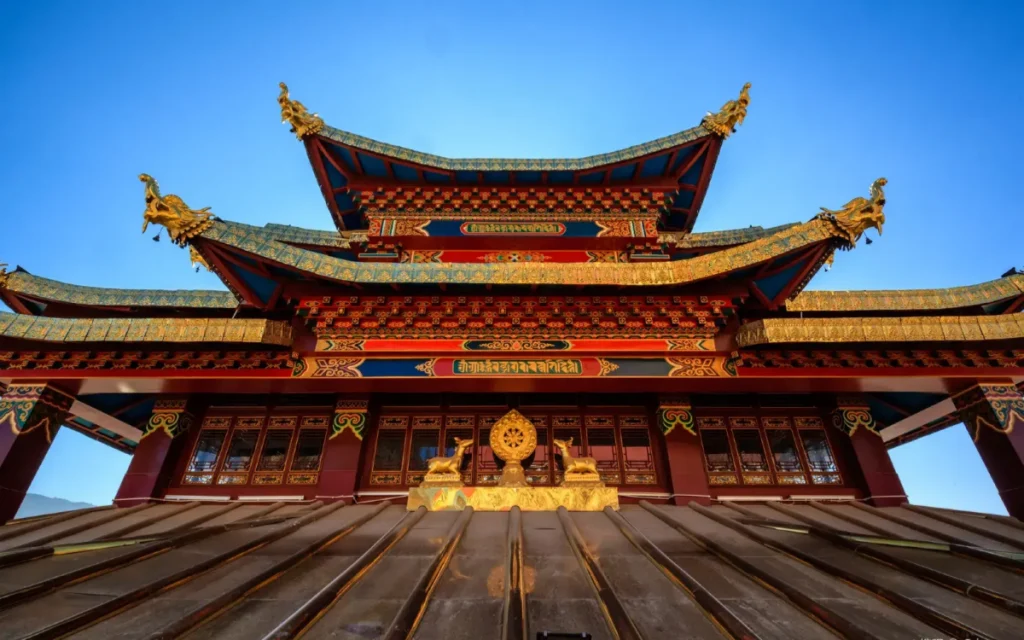
Dukezong Ancient Town
Enjoy Snow Mountains and Winter Scenery
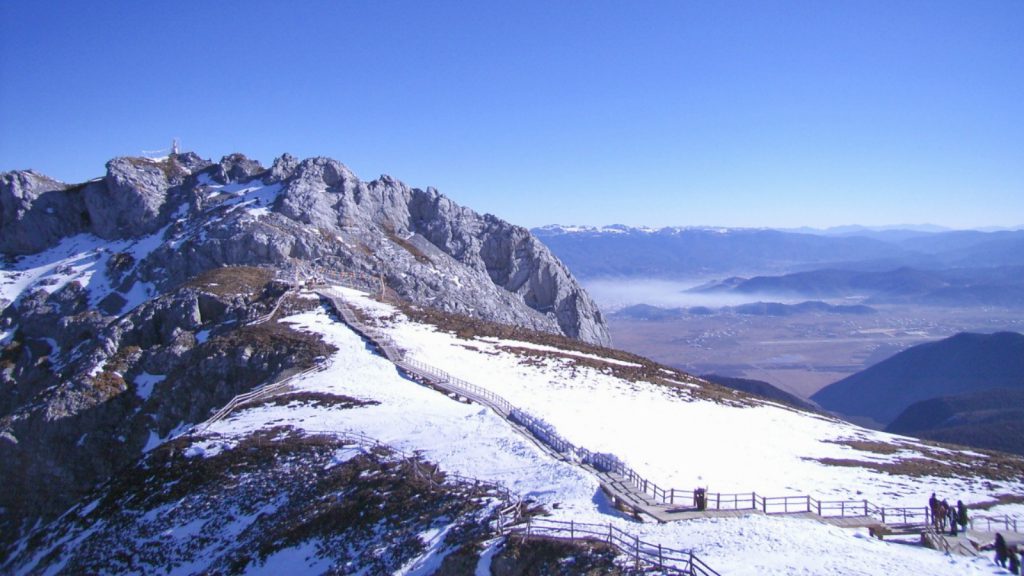
Winter is one of the best seasons for mountain visibility in northwestern Yunnan. Dry weather and stable skies often provide excellent views of surrounding peaks.
Popular winter destinations include:
- Meili Snow Mountain
- Pudacuo National Park
- Napa Lake
Frozen grasslands, snowy forests, and alpine lakes create a completely different landscape from the green scenery seen in summer.
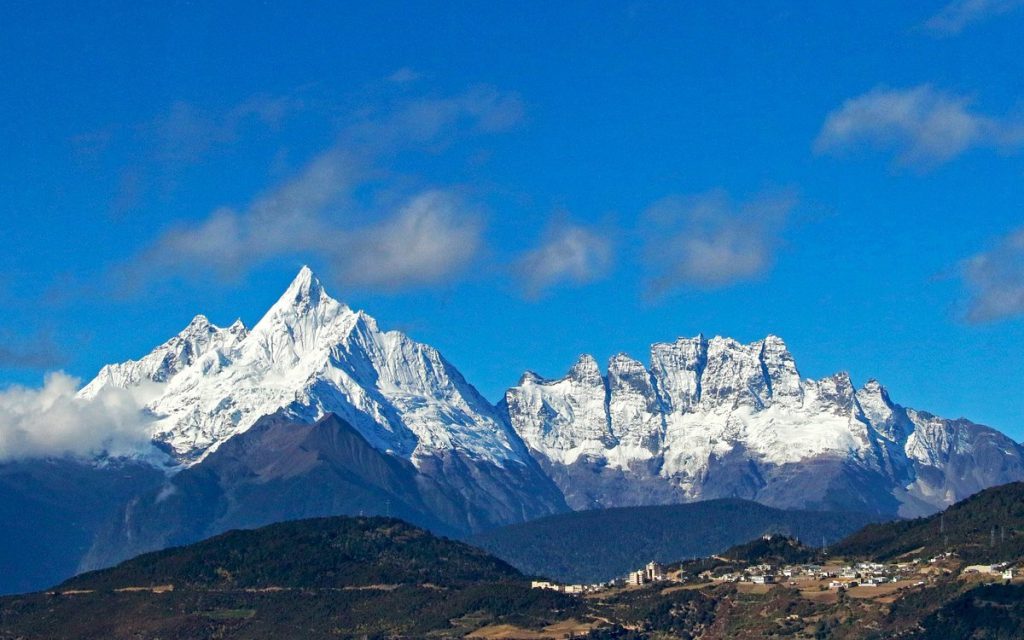
Meili Snow Mountain
Try Tibetan Winter Food
Winter is the perfect season to enjoy Tibetan comfort food.
Popular local dishes include:
- Butter tea
- Yak hotpot
- Tibetan noodles
- Barley wine
- Roasted yak meat
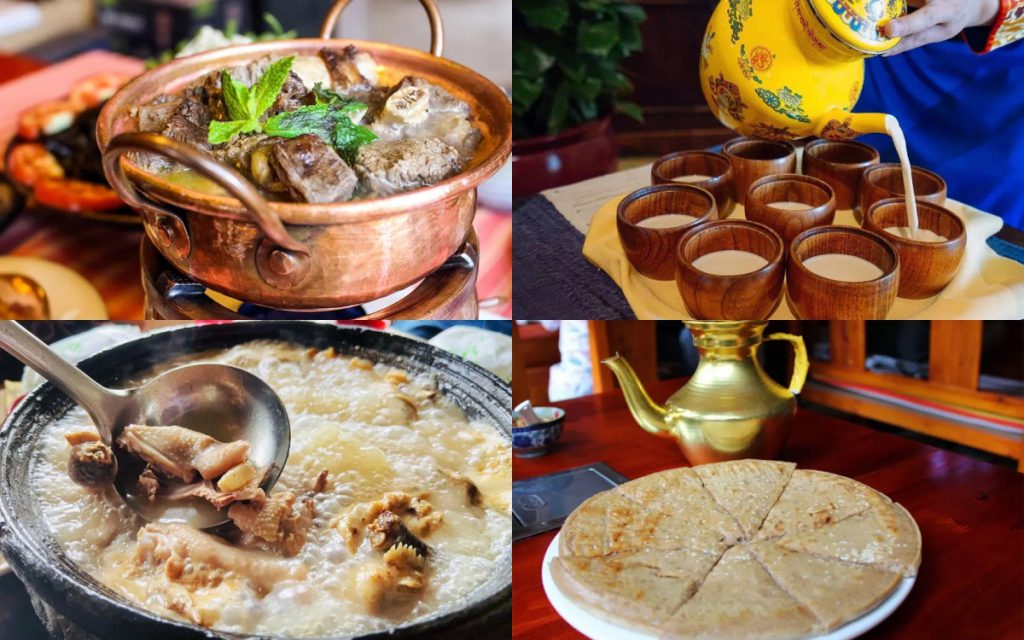
Shangri-La local food
These warm dishes are especially satisfying after a full day of sightseeing in the cold mountain air.
What Should You Pack for a Winter Trip to Shangri-La?
Packing properly is essential for a comfortable winter journey.
Recommended items include:
- Warm down jacket
- Thermal layers
- Gloves and scarf
- Sunglasses and sunscreen
- Comfortable hiking or winter shoes
- Lip balm and moisturizer
Because of the high altitude and dry climate, travelers should also drink plenty of water and avoid intense physical activity on the first day.
How Many Days Should You Spend in Shangri-La?
Most visitors spend between two and four days in Shangri-La during winter.
Suggested Winter Itinerary
2 Days
- Dukezong Ancient Town
- Songzanlin Monastery
- Tibetan food experiences
3 Days
- Add Pudacuo National Park
- Visit Napa Lake
4 Days or More
- Extend to Meili Snow Mountain
- Visit nearby Tibetan villages
- Enjoy photography or light hiking experiences
Many travelers also combine Shangri-La with Lijiang and Dali as part of a larger Yunnan winter itinerary.
Practical Tips for Visiting Shangri-La in Winter
To make your winter trip more comfortable, keep these tips in mind:
- Spend your first day adjusting to the altitude.
- Dress in layers because temperatures change quickly.
- Carry sunscreen because plateau sunlight is strong even in winter.
- Book transportation early during Chinese New Year periods.
- Choose hotels with heating between December and February.
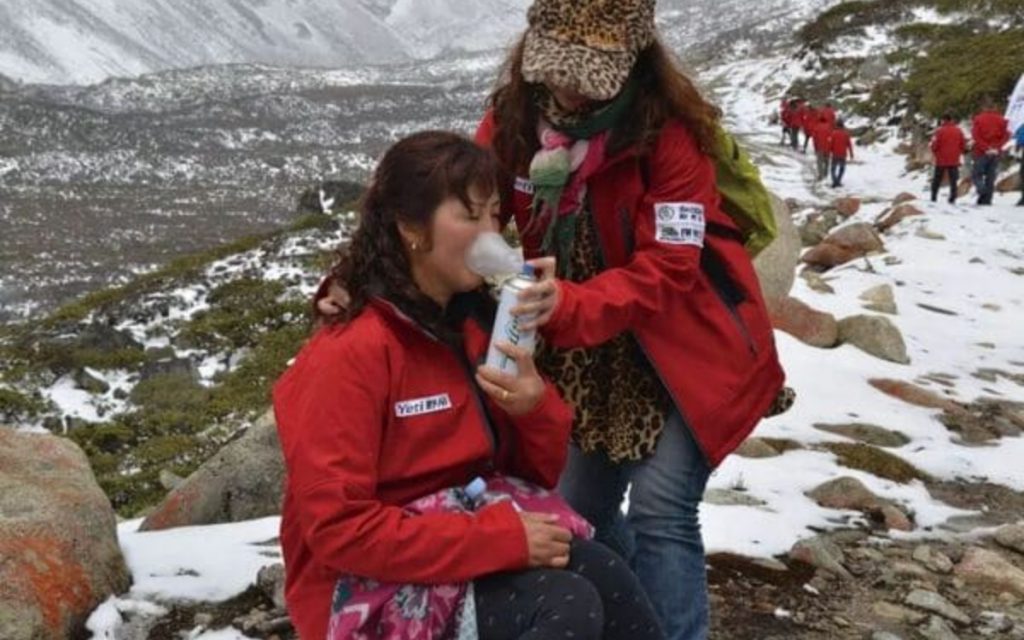
Acllimatization is important to prevent from altitude sickness
Winter reveals one of the most peaceful and beautiful sides of Shangri-La. Snow-covered monasteries, quiet Tibetan towns, clear mountain skies, and rich cultural experiences create a journey that feels both relaxing and unforgettable.
For travelers looking to explore beyond China’s crowded tourist routes, Shangri-La in winter offers a unique mix of scenery, culture, and tranquility.
Whether you are planning a Yunnan winter tour, a photography journey, or a cultural escape in Southwest China, Shangri-La is absolutely worth visiting during winter.