Why Use These Itineraries?
This school trip is designed specifically for school and university groups, providing a structured and educational experience across Beijing, Xi’an, and Shanghai. Students visit important historical, cultural, and scientific sites, allowing them to learn about China’s history, traditions, and modern developments. The itinerary includes opportunities for cultural interaction, giving students a practical understanding of daily life and customs. Each activity is planned to align with clear learning objectives, from historical understanding and archaeology to science and urban development. Throughout the trip, students and teachers are supported by local coordinators based in China, providing guidance, assistance, and safety monitoring 24 hours a day. This careful planning ensures a reliable, well-managed, and educationally meaningful program, giving students a clear and structured way to engage with Chinese history, culture, and society.
Highlights
- Explore the Forbidden City, Great Wall, and Terracotta Army to study China’s imperial history and ancient civilization.
- Participate in hands-on activities like calligraphy and tea ceremonies to give students direct exposure to Chinese customs.
- Visit science and technology museums in Beijing and Shanghai.
- 24/7 local support with organized, educational schedules, ensuring students safety.
Detailed Itinerary
-
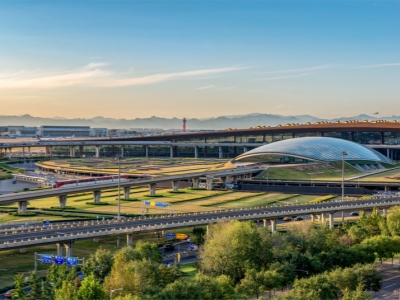
Beijing Capital International Airport Upon arrival at Beijing Capital International Airport, students are greeted by local guides and transferred to the hotel for check-in. This initial session introduces students to Chinese culture, social etiquette, and key geographical facts, helping them adjust and prepare for their upcoming experiences.
In the evening, the group enjoys a welcome dinner, where students meet fellow travelers and participate in a brief discussion about the objectives and learning goals of the trip.
This first day provides a gentle immersion into China’s environment while setting the tone for a structured and educational journey.
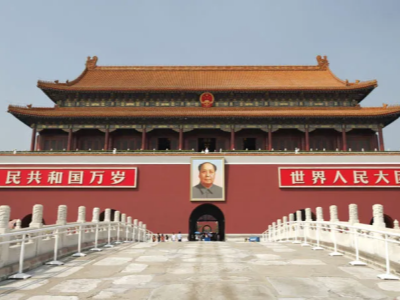
Tiananmen Square Students begin the day at Tiananmen Square, learning about its historical and political significance as a symbol of modern China. The tour continues to the Forbidden City, where students walk through imperial palaces, halls, and courtyards while guides explain dynastic history, governance, and Chinese architectural traditions.
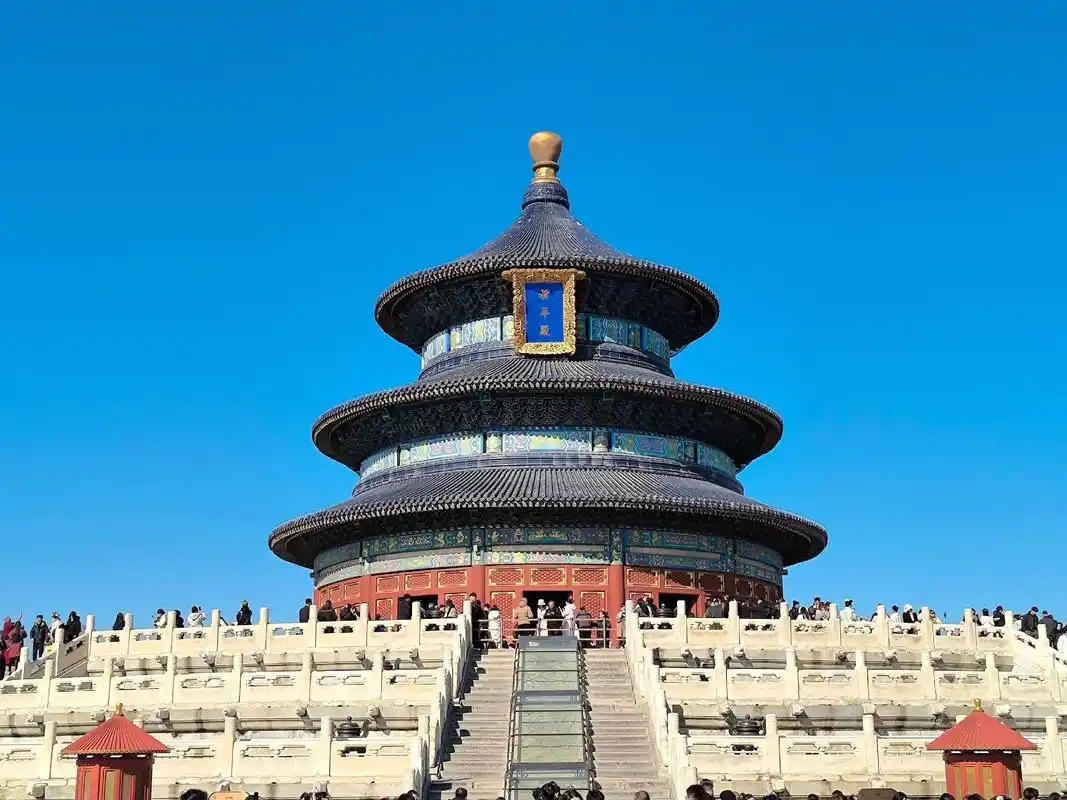
In the afternoon, students visit the Temple of Heaven to understand ancient religious practices, astronomical knowledge, and ceremonial traditions. The day concludes with a cultural workshop such as calligraphy or traditional music, providing hands-on engagement with China’s artistic heritage.
Beijing Olympic Park The group visits the Mutianyu or Badaling section of the Great Wall, learning about its historical, military, and engineering significance.
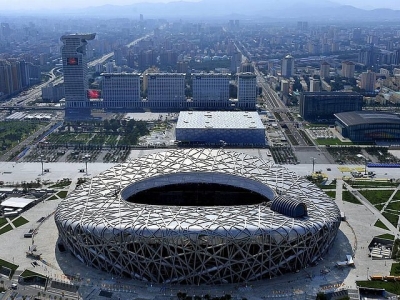
In the afternoon, students explore Beijing Olympic Park, observing modern architecture and sustainable urban design principles. This visit offers a bridge between historical and modern China, highlighting how tradition and innovation coexist. Students participate in guided discussions and reflective exercises connecting historical engineering with contemporary achievements.
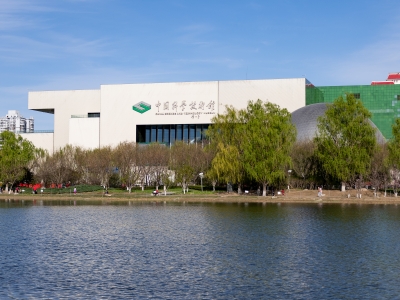
Beijing Science and Technology Museum Students spend the morning at the Beijing Science and Technology Museum, engaging with interactive exhibits in robotics, renewable energy, and Chinese innovations. This STEM-focused visit encourages critical thinking and curiosity.
In the afternoon, students experience Hutong neighborhoods, exploring traditional alleyways and learning about daily life in Beijing’s past and present. Activities may include visiting local markets, tea houses, or family workshops, offering immersive cultural experiences and opportunities for observation and reflection.
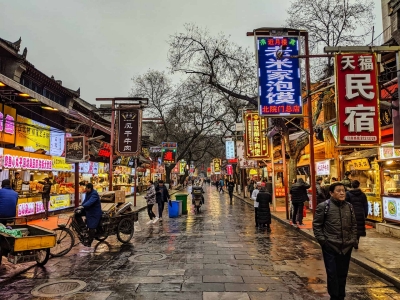
Muslim Quarter Students take a high-speed train to Xi’an, experiencing China’s advanced rail network.
Upon arrival, they explore the Ancient City Wall, learning about urban planning, defensive architecture, and Xi’an’s role as a historic capital.
The afternoon is spent in the Muslim Quarter, where students discover multicultural influences, traditional foods, and local markets. Participating in a dumpling-making workshop or food tasting activity allows students to connect hands-on with local traditions and daily life in Xi’an.
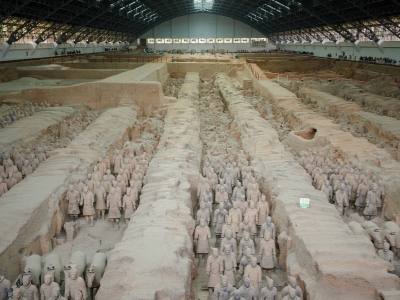
Terracotta Army The highlight of Xi’an is the Terracotta Army, where students examine the life-sized figures of warriors, horses, and chariots. Guides provide historical context about the Qin Dynasty, military strategies, and archaeological practices. Students engage in discussions about cultural preservation, historical research methods, and the importance of heritage sites.
The afternoon may include a visit to the Shaanxi History Museum, further enriching students’ understanding of regional history and civilization.
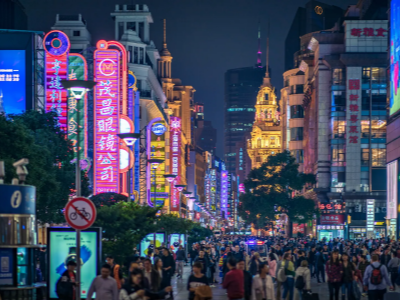
Nanjing Road Students travel to Shanghai via high-speed train, gaining insight into China’s modern transportation system.
Upon arrival, they explore The Bund, observing historical colonial architecture alongside modern skyscrapers, and discuss urban development, globalization, and economic growth.
In the afternoon, students visit Nanjing Road for a guided tour, learning about commercial and cultural aspects of Shanghai.
Evening activities include reflective group discussions on contrasts between China’s historical legacy and its modern urban environment.
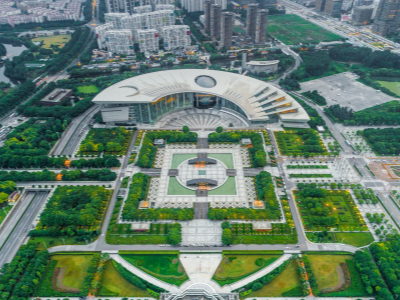
Shanghai Science and Technology Museum Students spend the day at Shanghai Science and Technology Museum or Shanghai Natural History Museum, engaging with STEM-focused exhibits in robotics, environmental science, and biology. Hands-on activities, demonstrations, and group projects allow students to apply scientific thinking and problem-solving skills.
In the afternoon, the group may visit Pudong’s modern financial district, exploring urban planning and innovation hubs, while discussing the role of technology and business in shaping China’s global presence.
The evening is reserved for cultural exchange or optional activities such as acrobatics shows, providing entertainment while reinforcing cultural appreciation.
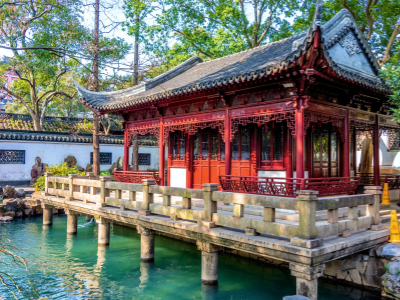
Yuyuan Garden On the final day, students visit Yuyuan Garden, learning about classical Chinese garden design. A traditional tea ceremony offers insight into etiquette and cultural rituals.
Students have free time to explore local markets for souvenirs.
Afterward, students are transferred to Shanghai Pudong International Airport for departure, concluding a safe, enriching, and educational journey.
MAKE AN INQUIRY TOP