Planning a China tour for European clients requires more than choosing famous destinations. China is a large country with different booking systems, long travel distances, busy domestic tourism periods, and attraction reservation rules that may be unfamiliar to overseas agencies.
For European travel agencies, the purpose of working with a China tour operator is often practical: to make sure the itinerary is realistic, tickets are reserved correctly, hotels are suitable, transport is reliable, and travelers receive proper local support during the tour.
Below are ten useful facts to understand when planning China tours for your clients.
1. Attraction tickets often require advance reservation
Many major attractions in China now require advance reservation. This is one of the most important operational details to understand.
In many cases, passport information is needed before tickets can be reserved. This is because entrance tickets are often booked under the traveler’s real name and passport number. For international visitors, the passport is usually the main identification document used for ticket booking and entry checks.
You need to collect and share accurate passport information with the China tour operator in advance. This helps avoid ticketing problems, especially during busy seasons or when visiting high-demand attractions.
For popular sites, last-minute booking may not always be possible. Early confirmation gives the local operator more time to secure ticket reservations and arrange the itinerary properly.
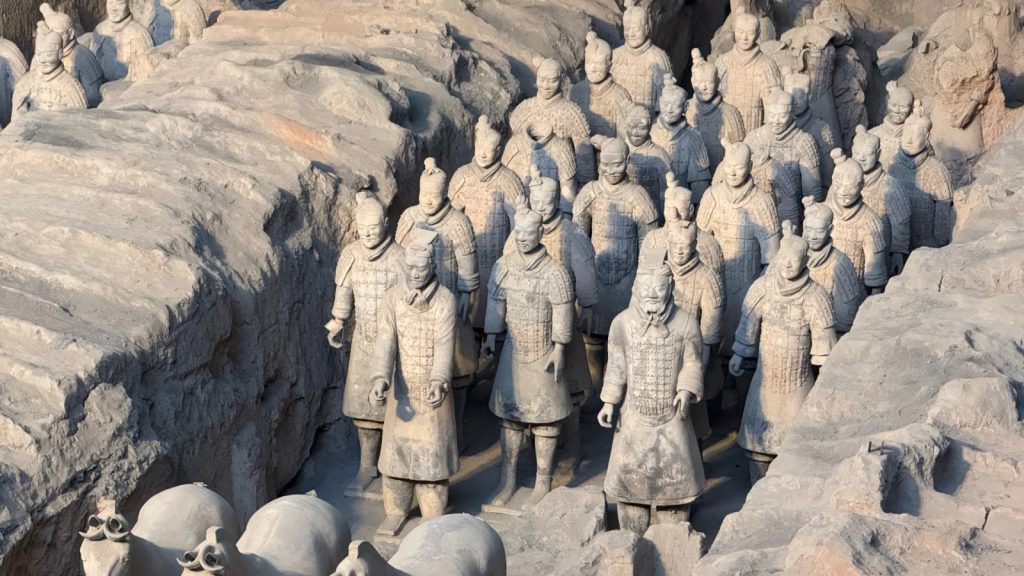
Terracotta Warriors in Xi'an
2. A proper China trip usually needs enough nights in each city
China should not be planned too tightly. Many first-time visitors want to see Beijing, Xi’an, Zhangjiajie, and Shanghai in one journey. This can work well if the number of nights is realistic.
A practical route may look like this:
- Beijing: 3 nights
- Xi’an: 2 nights
- Zhangjiajie: 3 nights
- Shanghai: 2 to 3 nights
This gives enough time to cover the main highlights without making the journey feel too rushed.
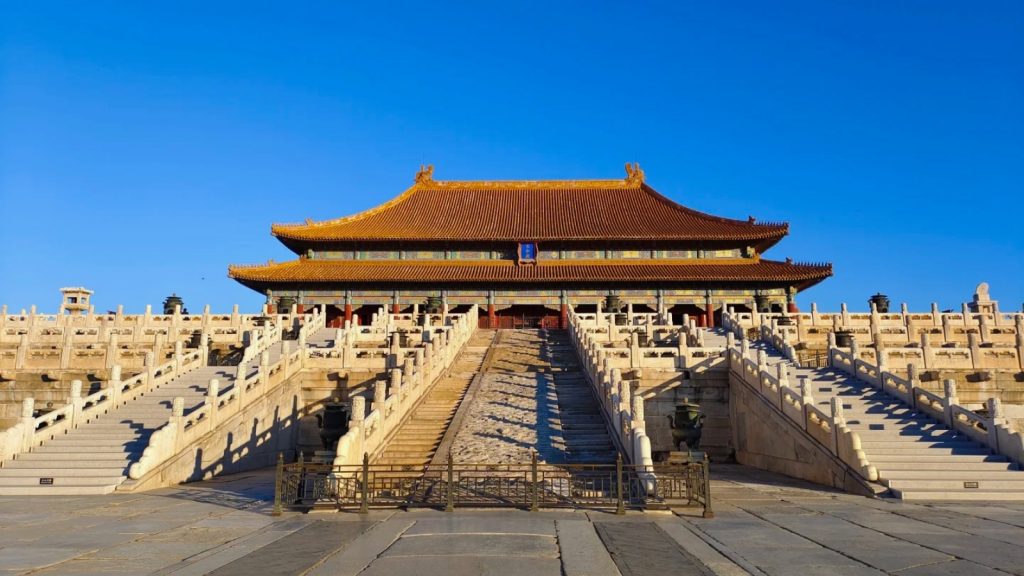
Beijing usually needs at least three nights because the city is large and major sites such as the Great Wall, Forbidden City, Temple of Heaven, and Summer Palace require time.
Xi’an can usually work well with two nights for the Terracotta Warriors, city wall, Muslim Quarter, and selected cultural experiences.
Zhangjiajie normally needs three nights because the scenic areas are large, weather can affect visibility, and transfers between scenic zones take time.
Shanghai can be planned with two or three nights depending on whether clients want only the main city highlights or also nearby destinations such as Suzhou or a water town.

Mutianyu Great Wall
3. High-speed trains are widely used for inter-city travel
High-speed train is one of the most commonly used transport options for China tours. It is especially useful between major cities such as Beijing, Xi’an, Shanghai, Hangzhou, Suzhou, Guilin, Chengdu, and many other destinations.
For your clients, high-speed trains are often comfortable, clean, punctual, and easy to understand once the station process is explained. Compared with domestic flights, high-speed trains can also reduce airport waiting time and luggage stress on some routes.
China’s high-speed rail system is known for strong punctuality. However, it is still better to describe it honestly: delays are uncommon on many routes, but they can still happen due to weather, operational reasons, or special circumstances.
For group tours, train station transfers, luggage handling time, passport-based ticket checks, and boarding procedures should be built into the schedule.
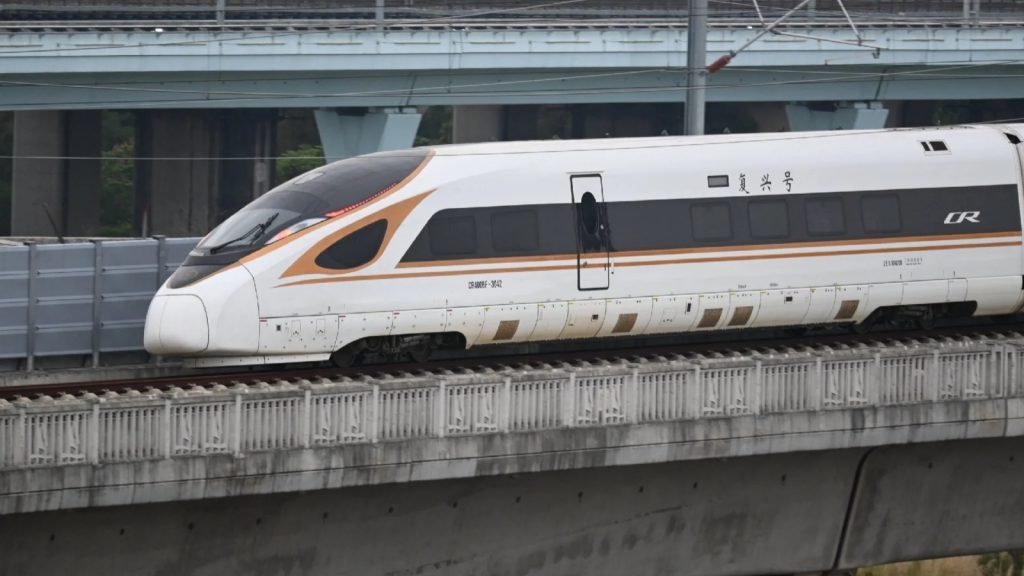
China High-speed Rail
4. Domestic flights are still useful for long distances
Although high-speed trains are widely used, domestic flights are still necessary for some longer routes.
For example, when a route includes Zhangjiajie, Yunnan, Guilin, the Silk Road, or western China, flights may sometimes be more practical than trains. The best transport choice depends on the distance, group size, budget, luggage amount, and final itinerary structure.
A good China itinerary should not use trains or flights automatically. Each inter-city section should be checked according to travel time, comfort, connection risk, and total daily schedule.
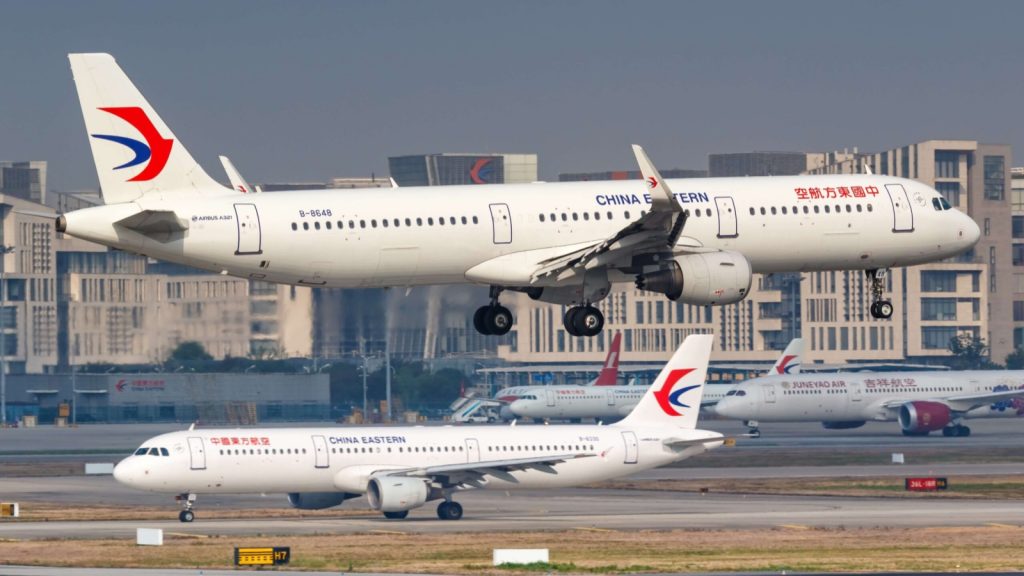
China Eastern Airlines
5. Licensed local guides are important in China
Guide's experience and manners are important part of a China tour experience. A good guide does more than explain attractions. The guide also helps with timing, local communication, ticket checks, restaurant coordination, and small daily problems during the trip.
For European groups, licensed English-speaking guides are commonly used. Depending on the destination and availability, German-speaking, Spanish-speaking, and French-speaking guides can also be arranged.
For less common languages, you need to check with your China DMC for the guide availability early. In some cities, non-English-speaking guides may be limited, especially during peak travel periods.
6. Some Chinese holiday periods should be avoided
European travel partners should be careful when choosing travel dates for China groups.
The first week of May and the first week of October are usually very busy because of Chinese national holidays. During these periods, domestic travel demand is high. Attractions can be crowded, train tickets may be harder to secure, hotels may be more expensive, and traffic can be heavier than usual, so, to avoid visiting China during the national holidays may ensure a more comfortable and efficient tour experience.
Unless there is a strong reason to travel during these periods, it is usually better to avoid them.
For a smoother China trip, you may consider spring, early summer outside holiday weeks, autumn outside the October holiday period, or winter for certain cultural and city-based itineraries.
7. Hotel standards in China are generally good in major cities
Hotels in China’s major tourist cities are generally good, especially in destinations commonly used for international travelers such as Beijing, Xi’an, Shanghai, Chengdu, Guilin, Guangzhou, Suzhou, and Zhangjiajie.
Many cities offer a wide range of hotels, from local 4-star hotels to international-brand hotels and luxury properties. In general, hotel facilities in major Chinese cities are modern and comfortable.
However, hotel selection should not only be based on star rating. Location, breakfast quality, coach access, room size, elevator capacity, group check-in experience, and nearby dining options are also important.
A well-located 4-star hotel may sometimes be more suitable than a cheaper hotel far from the main sightseeing area.
8. Hotel breakfast is usually a mix of Chinese and Western options
Breakfast is a common question from European partners, especially for first-time China groups.
In many good hotels used for international travelers, breakfast is usually a buffet with both Chinese and Western-style choices. Options may include milk, coffee, tea, cereals, fruit, bread, eggs or omelets, fruit juice, noodles, rice porridge, vegetables, pastries, and hot dishes.
The exact breakfast standard depends on the hotel level and location. International-brand hotels usually provide more familiar Western breakfast choices. Local hotels may have more Chinese-style options, but good hotels in major cities normally provide enough variety for international guests.
If a group has special breakfast expectations, this should be discussed before hotel confirmation.
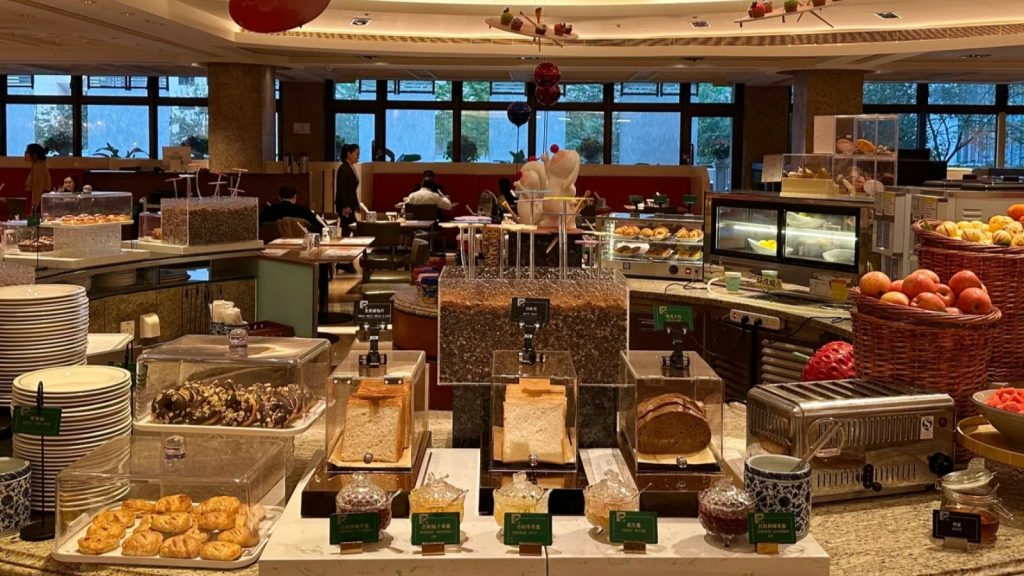
Buffet breakfast in some hotels
9. Meal planning should be discussed early
Food is an important part of the travel experience, but it can also be a source of misunderstanding if not communicated early.
Visitors may have different dietary needs, including vegetarian meals, allergies, halal food, non-spice preferences, or requests for some Western-style meals during a longer stay in China.
For China tours, it is better to plan meals in a balanced way. Some meals can be arranged as local Chinese meals to give clients a cultural experience. Some meals can be left free, especially in large cities where travelers may want more choice.
For groups, restaurant location, coach parking, menu standard, service speed, and dietary requirements should be checked before confirmation.
10. A realistic China tour program is more important than a long itinerary
One common mistake in China tour planning is trying to include too many places in too few days.
China has many famous destinations, but travel time between hotels, train stations, airports, attractions, and restaurants should not be underestimated. A tour that looks rich on paper may become tiring on the ground if the timing is too tight.
For European visitors, especially group of senior citizens or culture-focused clients, a better itinerary is often one that allows enough time for visits, meals, rest, and local experiences.
A realistic itinerary should consider:
- Daily driving time
- Walking distance
- Attraction reservation times
- Hotel location
- Train or flight schedules
- Meal arrangements
- Weather conditions
- Group age and travel style
- Time for unexpected changes
China tour planning is not about adding more places. It is about making the route work smoothly.
China is a rewarding destination, but it needs careful planning and reliable local coordination. Ticket reservations, passport information, realistic routing, inter-city transport, guide arrangements, holiday timing, hotel selection, breakfast expectations, and meal planning all affect the final travel experience.
When you are planning China tours, the most important step is to build the itinerary around real operating conditions, not only destination names.
When these details are handled early, China becomes much easier to sell, easier to operate, and more comfortable for European clients.