
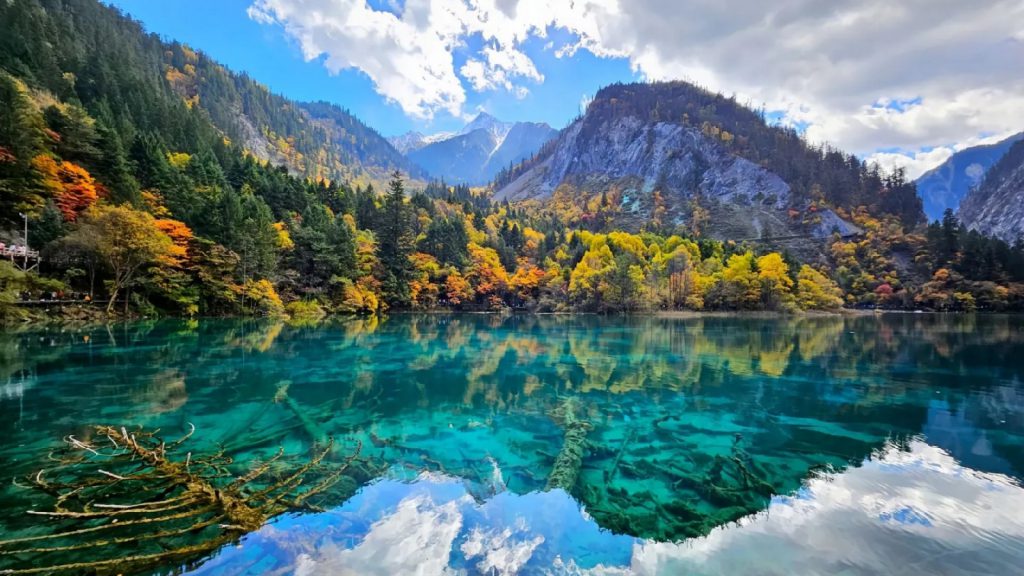
Few natural destinations in China leave such an immediate impression as Jiuzhaigou Valley. Easily accessible via a short flight or a scenic bullet train ride from Chengdu, this UNESCO World Heritage site is famous for its multi-tiered waterfalls. Crystal-clear lakes, snow-dusted mountains, and dense alpine forests combine to create scenery that often feels more like a painting than a real landscape. Local folklore calls these lakes the spilled pieces of a goddess's mirror.
Many international travelers place Jiuzhaigou high on their China travel list. But before visiting, one question often comes up:
- When is the best season to visit Jiuzhaigou?
The truth is that Jiuzhaigou changes dramatically throughout the year. Every season brings a completely different atmosphere, color palette, and travel experience. This guide explores the seasonal differences in Jiuzhaigou and helps international travelers and travel agents decide the best time to visit based on scenery, weather, crowd levels, and travel style.
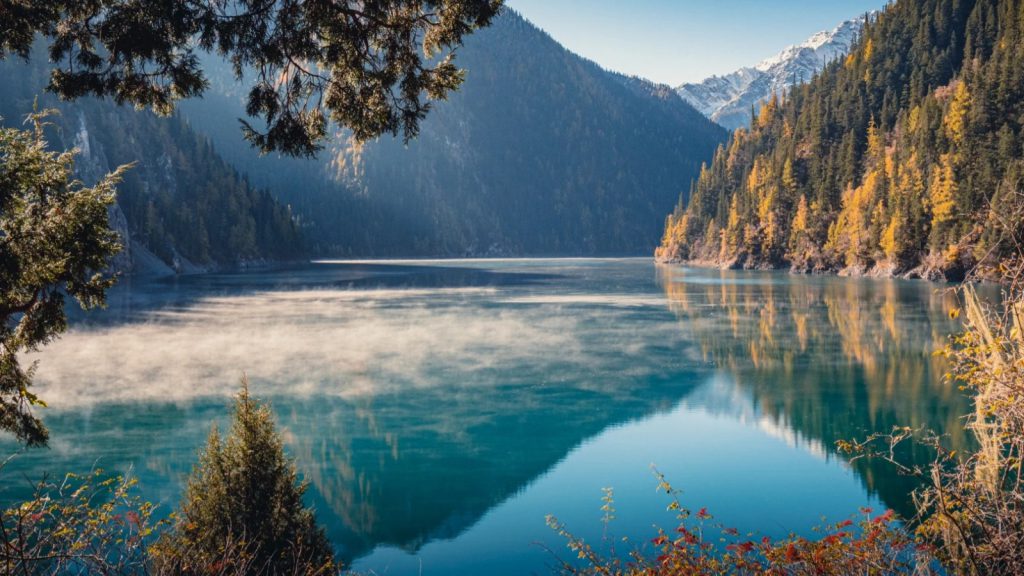
Jiuzhaigou — Long Lake
Why Jiuzhaigou Looks Different in Every Season?
Located in northern Sichuan on the edge of the Tibetan Plateau, Jiuzhaigou Valley sits at relatively high elevations with a mountain climate that changes quickly throughout the year.
Seasonal shifts affect:
- lake colors
- water levels
- forest scenery
- visibility
- temperature
- crowd levels
As a result, Jiuzhaigou never feels exactly the same twice.
Some travelers come for fiery autumn forests, while others prefer the quiet snow-covered landscapes of winter or the vibrant greenery of summer.
Autumn: The Most Popular and Photogenic Season
For many travelers, autumn is the most spectacular season in Jiuzhaigou Valley.
From late September to late October, the forests explode into shades of gold, orange, crimson, and deep red. These colors reflect across Jiuzhaigou's crystal-clear lakes, creating the postcard scenery that has made the destination internationally famous.
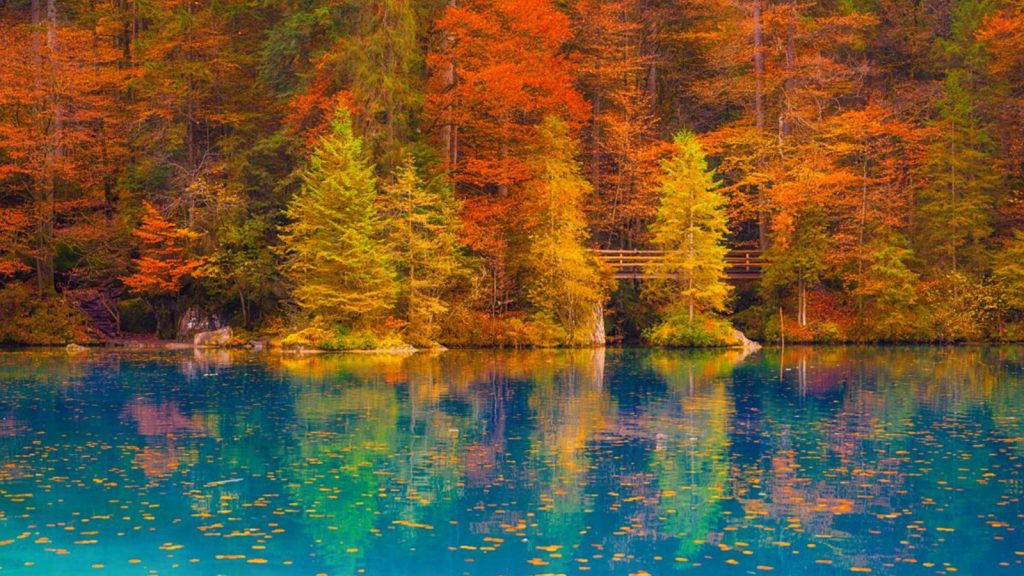
Jiuzhaigou Valley in Autumn
The contrast is especially striking:
bright blue water beneath colorful forests and distant snow-dusted peaks.
The weather during autumn is usually cool, crisp, and comfortable for full-day sightseeing.
Why Travelers Love Autumn
- Stunning photography conditions
- Comfortable hiking temperatures
- Clear mountain views
- Rich seasonal colors
- Ideal for first-time visitors
⚠️Autumn is also the busiest season. During peak holiday periods, especially early October (China's National Day), visitor numbers can increase significantly. Advance planning is highly recommended.
Summer: Lush Landscapes and Strong Waterfalls
Summer brings a completely different atmosphere to Jiuzhaigou.
The forests become intensely green, waterfalls reach their strongest flow, and the entire valley feels alive with movement and color. Mist and clouds drifting through the mountains can create particularly dramatic scenery.
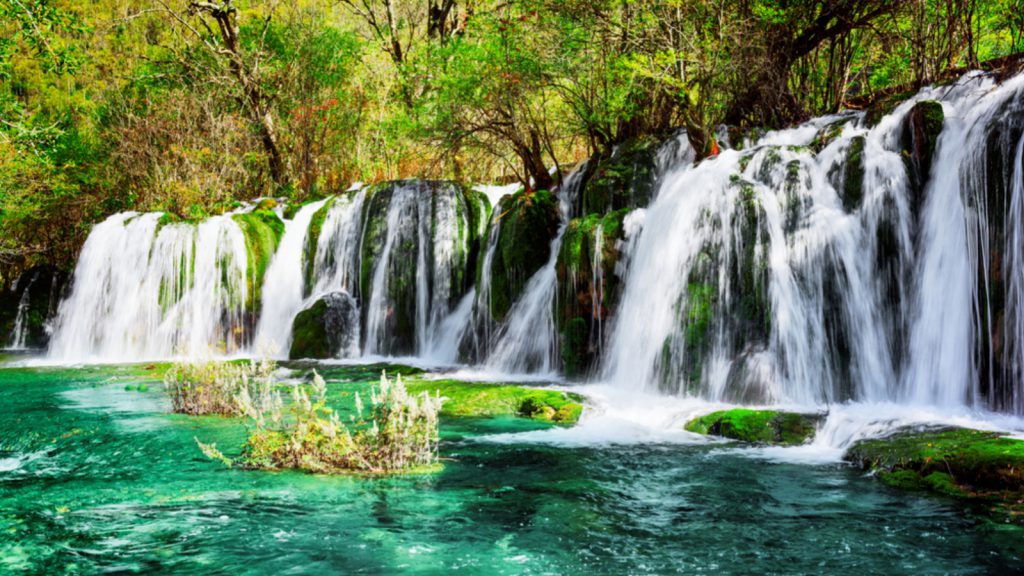
Jiuzhaigou Valley in Summer
Due to its high elevation, Jiuzhaigou stays cooler than many Chinese cities in summer. Although it is the rainy season, showers are usually intermittent rather than continuous.
What Makes Summer Special
- Powerful waterfalls
- Dense green forests
- Comfortable mountain climate
- Excellent natural scenery
- Long daylight hours
👉 Summer is especially attractive for travelers who enjoy nature, fresh air, and vibrant landscapes.
Weather conditions may occasionally affect visibility, transportation, or road operations in mountainous areas.
❗Flexible scheduling and experienced local coordination are important during peak summer months.
Spring: Quiet Beauty and Fresh Mountain Air
Spring is often overlooked, but it can be one of the most peaceful times to visit Jiuzhaigou.
As winter snow melts, rivers and waterfalls become lively again, while forests gradually return to green. The valley feels fresh, calm, and far less crowded than during autumn.
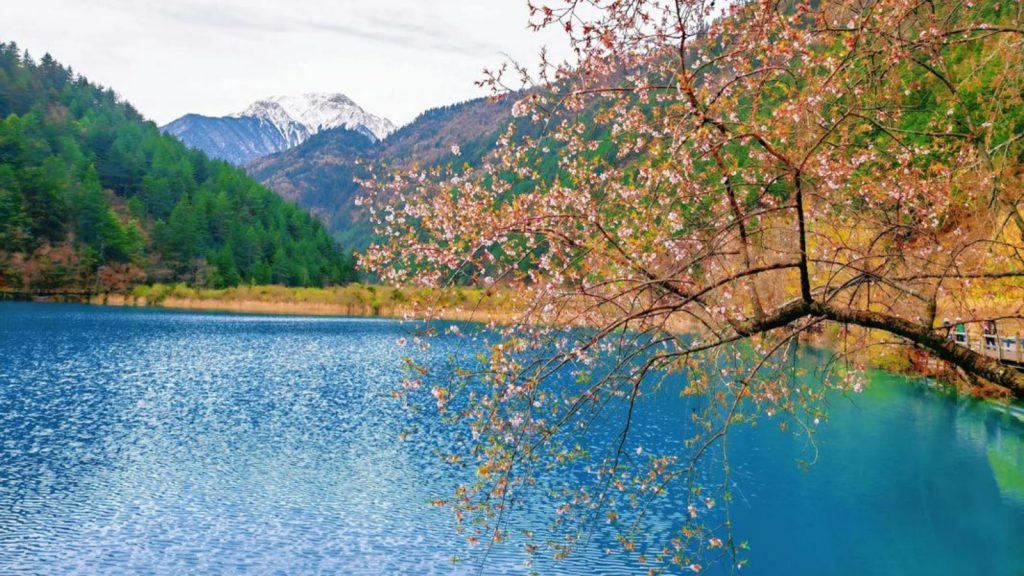
Jiuzhaigou Valley in Spring
👉 For travelers who prefer a slower pace and quieter atmosphere, spring can be surprisingly rewarding.
Why Some Visitors Prefer Spring
- Fewer crowds
- Pleasant temperatures
- Fresh alpine scenery
- Better hotel availability
- More relaxed travel experience
Spring may not have autumn's dramatic colors, but it offers a softer and more tranquil side of Jiuzhaigou.
Winter: A Frozen Fairytale Landscape
Winter transforms Jiuzhaigou Valley into an entirely different world.
Frozen waterfalls, snow-covered forests, and icy blue lakes create scenery that feels calm, silent, and dreamlike. Visitor numbers drop significantly, making the valley feel far more peaceful and remote.
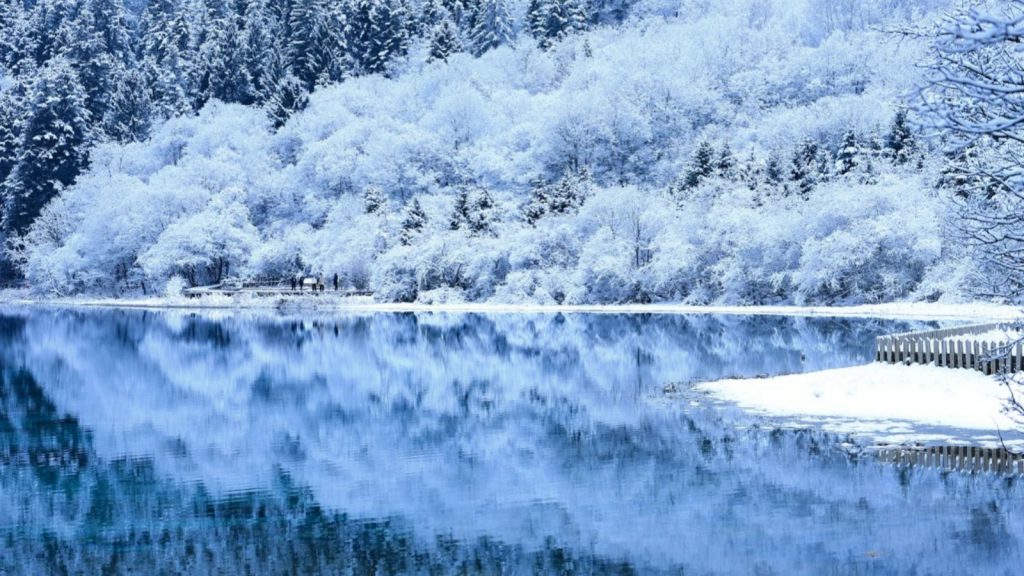
Jiuzhaigou Valley in Winter
On sunny winter days, the contrast between snow and the bright turquoise water can be remarkably beautiful.
Winter Is Ideal For
- Winter photography
- Off-season travelers
- Snow scenery lovers
- Travelers seeking quieter destinations
Winter temperatures can be extremely cold, especially in the mornings and evenings. Some facilities or scenic sections may also operate on reduced schedules depending on weather conditions.
⚠️This season is generally less suitable for travelers uncomfortable with cold weather or high-altitude winter conditions.
Which season should you choose?
There is no single answer because each season offers something different.
Choose Autumn If You Want:
- Classic postcard scenery
- Vibrant forest colors
- The most photogenic landscapes
Choose Summer If You Want:
- Powerful waterfalls
- Green mountain scenery
- Cooler summer temperatures
Choose Spring If You Want:
- Fewer tourists
- Peaceful sightseeing
- Fresh mountain landscapes
Choose Winter If You Want:
- Snow-covered scenery
- Quiet travel experiences
- Unique seasonal photography
How to Get to Jiuzhaigou Valley?
Most international travelers reach Jiuzhaigou through Chengdu.
The most common transportation options include:
Flights
Flights between Chengdu and Jiuzhai Huanglong Airport are the fastest option, although schedules may vary seasonally due to mountain weather.
High-Speed Train
China high-speed rail connections have made Jiuzhaigou more accessible in recent years, offering a comfortable and scenic alternative to flying.
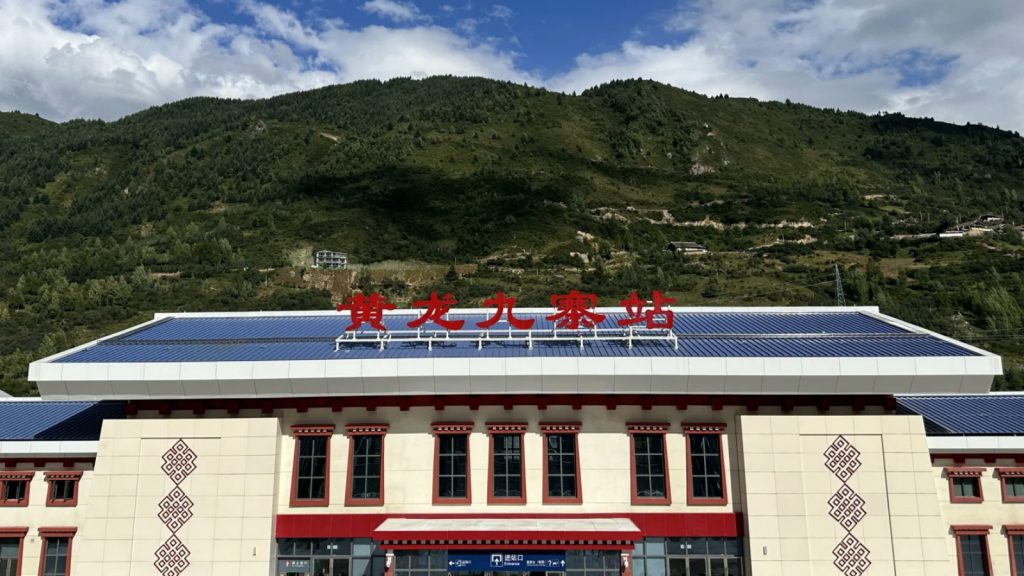
Huanglong-Jiuzhai Station
Overland Routes
Some travelers choose scenic overland journeys through western Sichuan, often combining mountain landscapes, Tibetan villages, and additional sightseeing destinations.
Because the region is mountainous, transportation schedules may occasionally be affected by seasonal weather conditions.
Useful Tips for Visiting Jiuzhaigou Valley
Prepare for the Altitude
Jiuzhaigou's elevation may cause mild altitude discomfort for some travelers. Staying hydrated and moving at a comfortable pace can help visitors adjust more easily.
Start Early
Entering the park early offers quieter scenery, better lighting for photography, and more time to explore before crowds increase.
Dress in Layers
Mountain weather changes quickly throughout the day, even in summer. Layered clothing and comfortable walking shoes are recommended year-round.
Expect Some Walking
Although shuttle buses connect major scenic areas, visitors still need to walk between lakes, waterfalls, and viewing platforms.
Best Destinations to Combine with Jiuzhaigou
Many travelers combine Jiuzhaigou Valley with:
- Chengdu
- Huanglong Scenic Area
- Panda experiences
- Tibetan cultural regions in western Sichuan
These combinations work particularly well for nature-focused, photography, and experiential China itineraries.
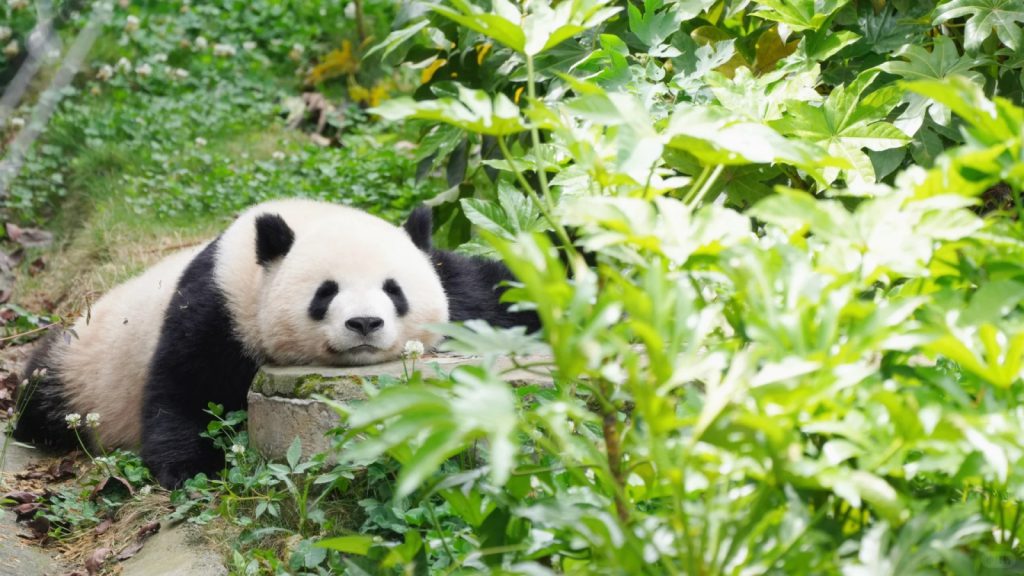
A Cute pandas at the Chengdu Research Base of Giant Panda Breeding
What makes Jiuzhaigou truly special is not just its beauty, but how differently that beauty appears from season to season.
- In autumn, the valley glows with color.
- In summer, it feels vibrant and alive.
- In spring, it becomes peaceful and refreshing.
- In winter, it turns into a frozen alpine wonderland.
No matter the season, Jiuzhaigou offers the kind of scenery that stays in travelers' memories long after the journey ends — which is exactly why it remains one of China's most iconic natural destinations.