
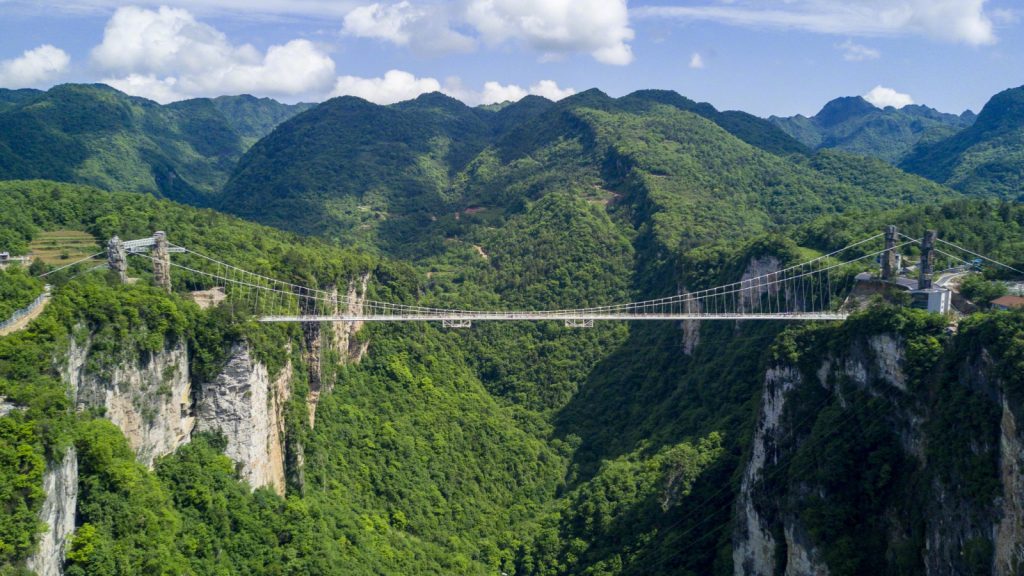
Zhangjiajie is one of the most visually unforgettable destinations in China. Towering sandstone pillars, mist-covered mountains, glass bridges, deep canyons, and forest trails create landscapes that feel almost unreal.
— Yet everything here is naturally formed.
It is no surprise that the scenery inspired parts of the floating mountains in the movie Avatar. One of the most common questions travel agents receive is:
- How many days should clients stay in Zhangjiajie?
The answer depends on travel pace, fitness level, and nearby destinations included in the itinerary. For most international visitors, 3 to 4 days is the ideal length. It allows enough time to explore the major scenic areas without rushing while also leaving room for cultural experiences and comfortable travel logistics. Choosing the right stay length is especially important because Zhangjiajie is very different from a traditional city destination.
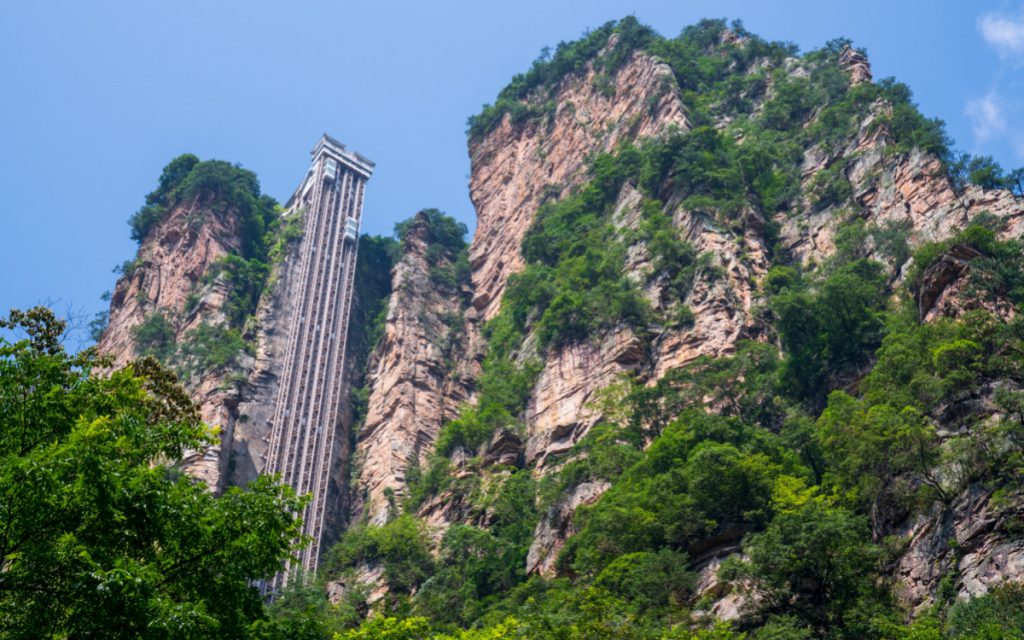
The Bailong Elevator in Zhangjiajie National Forest Park
Why Zhangjiajie Deserves More Than a Quick Stop?
Unlike many city-based destinations in China, Zhangjiajie is spread across several large scenic zones.
The region includes several separate attractions, including:
- Zhangjiajie National Forest Park
- Tianmen Mountain
- Zhangjiajie Glass Bridge
- Grand Canyon Scenic Area
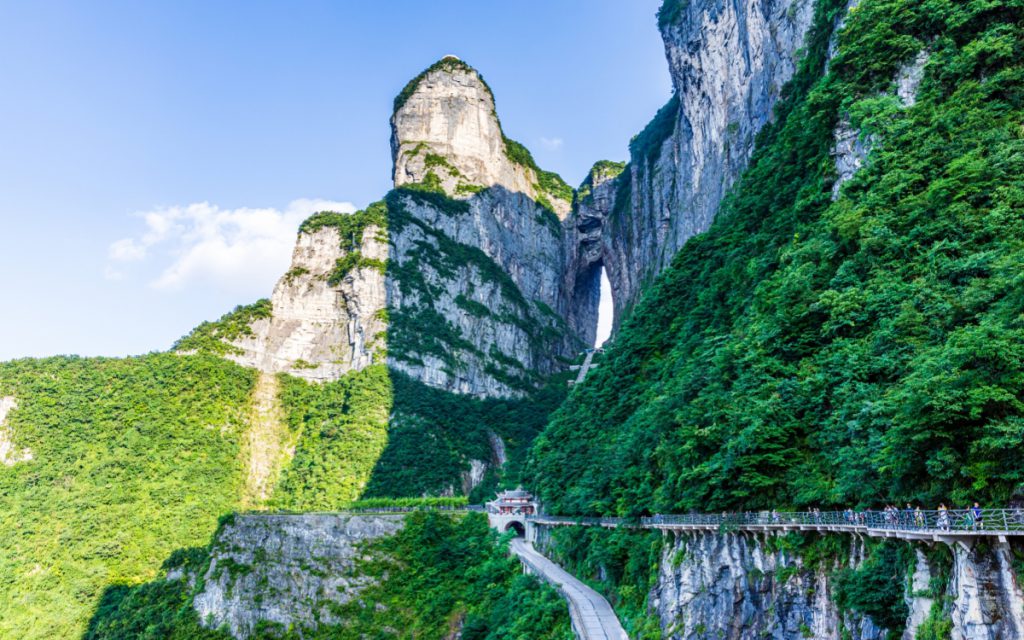
Tianmen Mountain
Travel between attractions can take time, and mountain sightseeing often involves cable cars, shuttle buses, elevators, and walking trails.
Many first-time visitors underestimate:
- The size of the national park
- The walking distances inside scenic areas
- Weather-related visibility changes
- Queue times during peak seasons
- The number of attractions surrounding the city
A rushed 1–2 day visit often leaves travelers exhausted rather than impressed.
Is 2 Days Enough for Zhangjiajie?
Technically, yes.
Comfortably, not always.
A 2-day itinerary usually focuses only on the biggest highlights:
- One full day inside the national forest park
- One day for Tianmen Mountain or the Glass Bridge
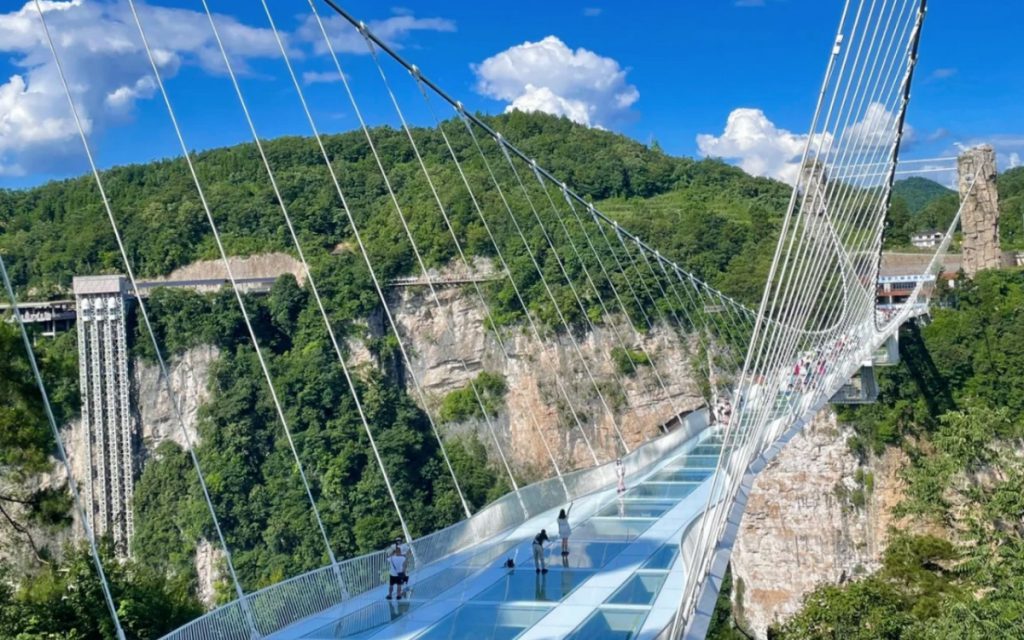
Zhangjiajie Glass Bridge
This works best for:
- Repeat visitors to China
- Adventure-focused clients
- Younger travelers with fast-paced itineraries
- Clients combining Zhangjiajie with destinations like Chongqing or Xi'an
However, there are trade-offs.
Travelers may need to:
- Start early each morning
- Spend long hours sightseeing
- Skip quieter scenic areas
- Move quickly between attractions
For premium FIT travelers or seniors clients, 2 days trip can feel too compressed.
Why 3 Days Is the Ideal Choice?
For most international visitors, a 3 days Zhangjiajie tour provides the best overall experience.
Within three days, travelers can comfortably explore:
- Zhangjiajie National Forest Park and its famous Avatar-like sandstone pillars
- Tianmen Mountain with its cliffside walkways and cable car rides
- Zhangjiajie Glass Bridge and nearby canyon scenery
It creates enough flexibility to:
- Explore famous viewpoints without rushing
- Adjust plans around mountain weather
- Include both nature and light cultural experiences
- Enjoy a more relaxed pace
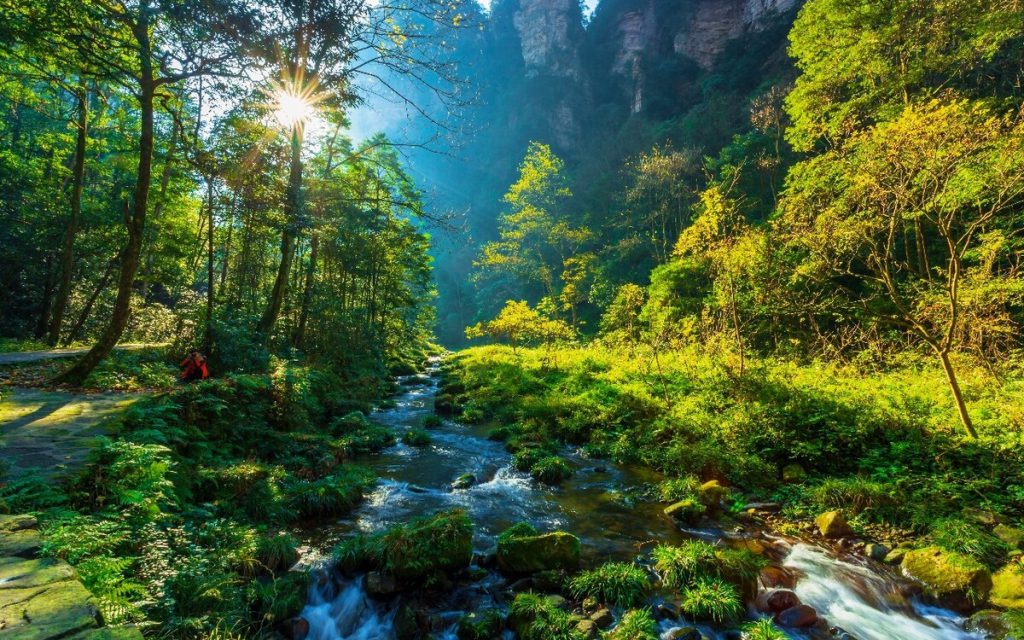
Golden Whip Stream
Compared with a rushed 2-day visit, staying an extra day creates a far more enjoyable experience, especially for families, senior travelers, and first-time visitors to China.
Stay Length | Best For | Recommended Experiences |
2 Days | Fast-paced travelers | Forest Park + Tianmen Mountain |
3 Days | Most international visitors | Forest Park + Tianmen + Glass Bridge |
4 Days or more | Slow travel & photographers | Hiking, culture, sunrise views, canyon exploration |
Best Time to Visit Zhangjiajie
Timing is everything in Zhangjiajie. To ensure you see the pillars rather than a wall of white fog, consider these seasonal windows:
- Peak Season (September to November):
This is the gold standard for travel. The weather is crisp, and the autumn foliage adds a vibrant splash of color against the quartz pillars.
Most importantly, the skies are generally clear, providing the best visibility for photography.
- The Spring Awakening (April to June):
A beautiful time when the mountains are lush and green. While rain is more frequent, it often results in the "Sea of Clouds" effect—where the pillars seem to float above the mist, creating the ethereal Avatar atmosphere.
- The Winter Quiet (December to February):
For clients who dislike crowds, winter offers a serene experience. If it snows, the park transforms into a traditional Chinese ink wash painting.
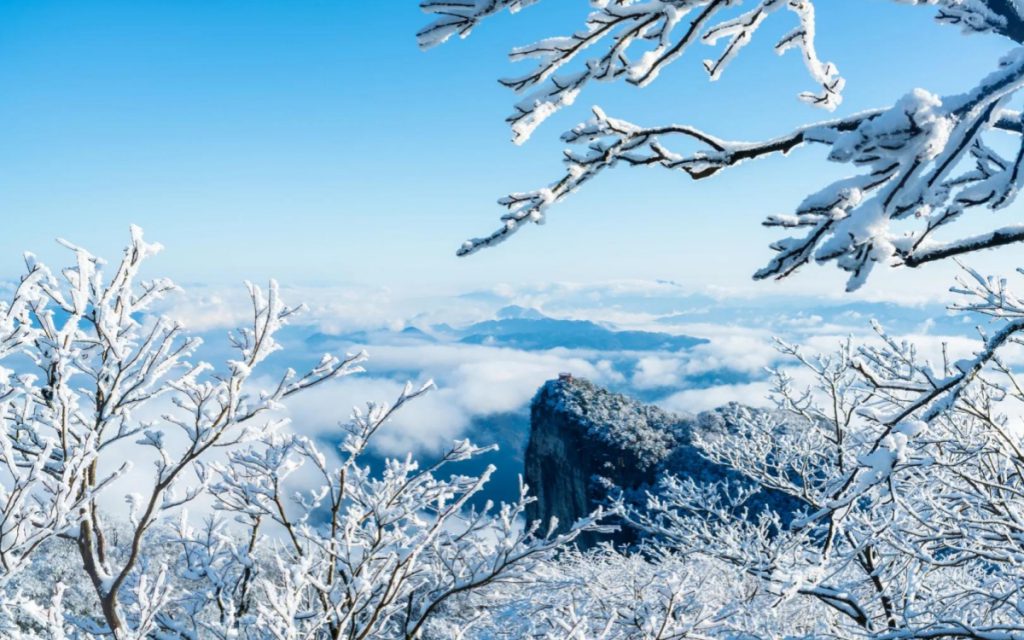
Zhangjiajie in Winter
❗However, note that some trails or the glass bridge may close temporarily for safety if ice is present.
How to Get to Zhangjiajie?
Despite its mountainous location, Zhangjiajie is relatively accessible for travelers.
By Air
Zhangjiajie Hehua International Airport offers domestic connections from major Chinese cities including:
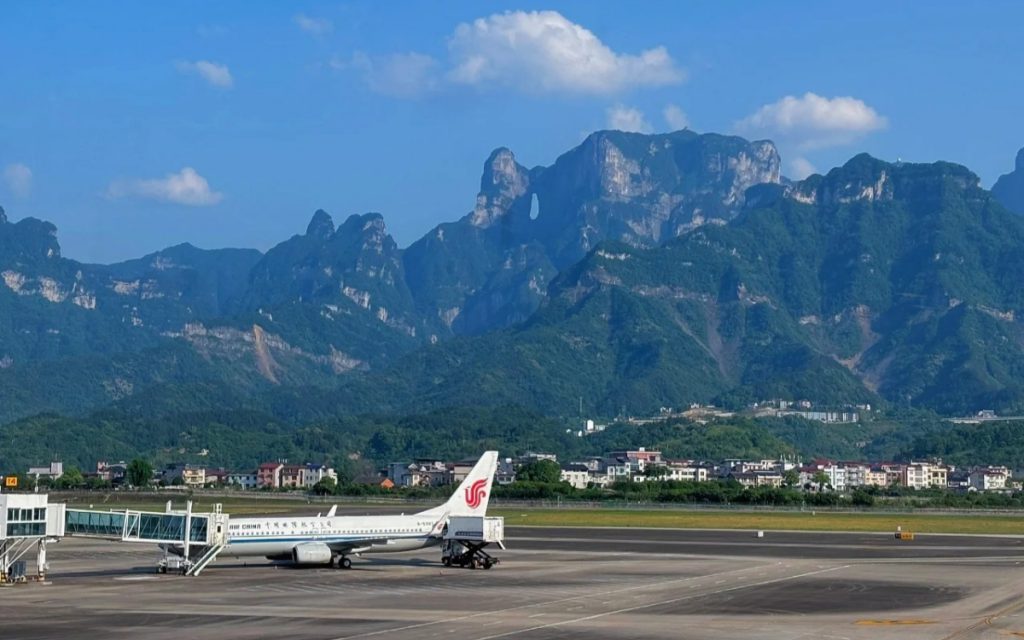
Zhangjiajie Hehua International Airport
Some seasonal international flights may also operate from nearby Asian destinations.
By High-Speed Rail
China's expanding high-speed rail network has made Zhangjiajie easier to combine with nearby cities such as:
- Changsha
- Chongqing
- Fenghuang
Most scenic areas rely on a combination of:
- Shuttle buses
- Cable cars
- Elevators
- Escalators
- Walking trails
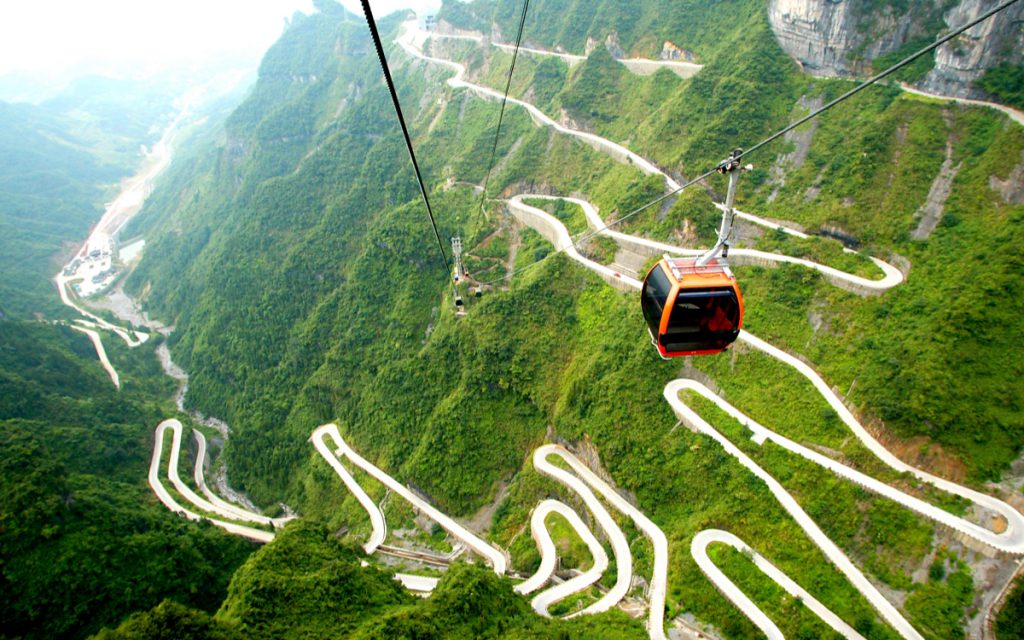
Tianmen Mountain Cable Car
Even though transportation infrastructure is well developed, visitors should still expect moderate physical activity during sightseeing days.
Important Travel Tips for Visiting Zhangjiajie
Essential tips for a smoother and more enjoyable trip to Zhangjiajie.
Walking Levels Matter
Even with elevators and cable cars, Zhangjiajie still involves moderate walking. For senior travelers or multi-generational groups, a slower pace and additional rest time are highly recommended.
Weather Can Change Quickly
Mountain weather in Zhangjiajie is highly unpredictable. A clear morning can become foggy within hours, especially in spring and summer.
However, fog is not always a disadvantage. Many travelers actually enjoy the dramatic “floating mountains” atmosphere created by mist moving through the sandstone peaks.
Stay Near Scenic Areas
Hotel location significantly affects the travel experience.
For shorter itineraries, staying near:
- Wulingyuan Scenic Area
- Zhangjiajie National Forest Park
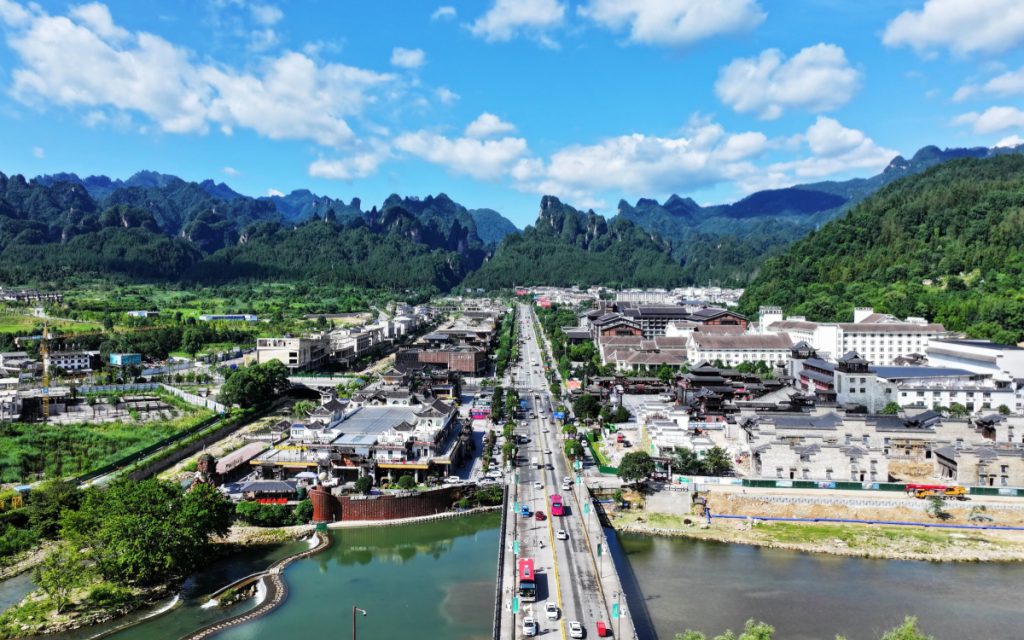
Wulingyuan
can reduce daily transfer times and allow earlier park entry before crowds arrive.
Meanwhile, hotels in downtown Zhangjiajie may offer:
- More restaurant choices
- Better nightlife access
- Easier transportation connections
Avoid Overloading China Itineraries
Although Zhangjiajie is visually spectacular, it is also physically demanding compared with major city destinations like Shanghai or Beijing. Many travelers experience fatigue if too many mountain destinations are combined consecutively.
A better pacing strategy is to combine Zhangjiajie with:
- Cultural cities like Xi'an
- Food-focused destinations like Chengdu
- Relaxed scenic towns like Fenghuang
This creates a more balanced China itinerary with varied experiences.
Zhangjiajie is more than a quick sightseeing stop. Its vast mountain landscapes, Avatar-like peaks, glass bridges, and forest scenery deserve time to explore at a comfortable pace.
For most travelers, 3 to 4 days offers the ideal balance of sightseeing and flexibility. Zhangjiajie also pairs well with multi-city China itineraries alongside Guilin, Chengdu, and Xi'an, making it an unforgettable highlight of any China journey.