
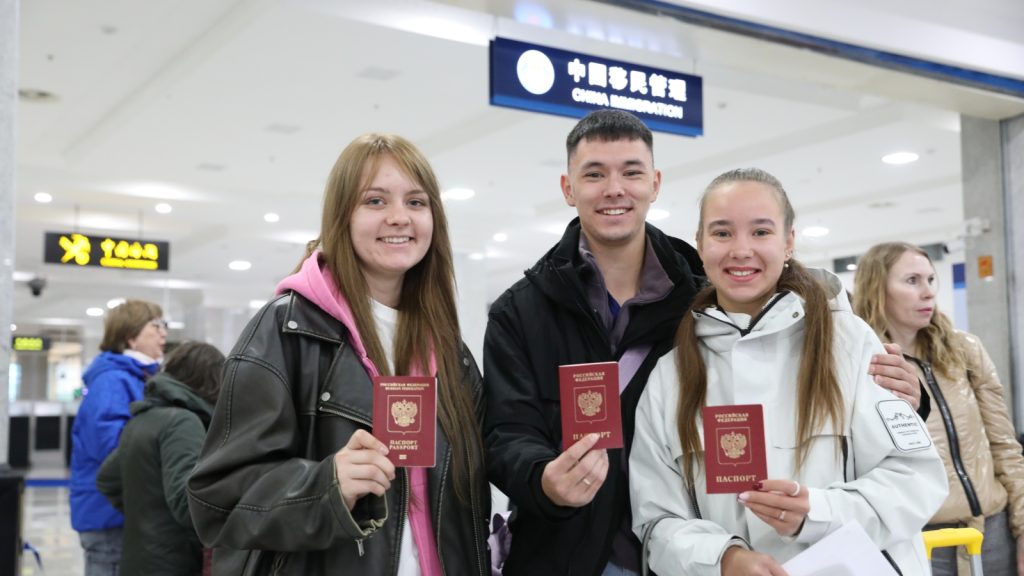
Traveling to China is becoming more convenient for international visitors. In recent years, China has expanded visa-free entry, optimized transit visa-free policies, and introduced more flexible regional entry options for different types of travelers.
For overseas travel agencies, tour operators, corporate travel planners, and MICE partners, understanding China’s visa policy is important when designing itineraries, confirming travel routes, and advising clients before departure.
This guide by TravelChinaService provides a practical overview of the main China visa and visa-free travel options for international visitors.
1. Do International Travelers Need a Visa to Visit China?
The answer depends on the traveler’s nationality, passport type, purpose of visit, length of stay, and travel route.
Some travelers may enter China visa-free under current policies. Others may need to apply for a Chinese visa before arrival. In many cases, the right option depends not only on the traveler’s passport, but also on whether they are entering China directly, transiting to a third country, joining a cruise group, visiting Hainan, or traveling for business meetings.
For travel agencies, it is important to check each client’s passport nationality and itinerary before confirming whether a visa is required.
2. China’s 30-Day Visa-Free Entry Policy
China currently allows ordinary passport holders from selected countries to enter without a visa for short stays, usually for purposes such as tourism, business, family visits, transit, or cultural exchanges.
Under this policy, eligible travelers can normally stay in China for up to 30 days without applying for a visa in advance.
This policy is especially useful for:
- Leisure travelers visiting China for sightseeing
- Business travelers attending meetings or exhibitions
- Clients visiting family or friends
- Short-term cultural exchange groups
- Travelers combining China with other Asian destinations
For travel agencies, this makes China easier to position as a short- to medium-distance destination, especially for clients who want a simple booking process.
However, visa-free entry does not mean every activity is allowed. Work, long-term study, journalism, paid employment, or other regulated activities may still require the correct visa or approval.

The Forbidden City
3. China’s 240-Hour Visa-Free Transit Policy
China’s 240-hour visa-free transit policy is one of the most useful options for international travelers who are transiting through China on the way to a third country or region.
Under this policy, eligible travelers may stay in certain permitted areas of China for up to 240 hours, which is 10 days, without applying for a visa in advance.
This policy is useful for itineraries such as:
- Europe → China → Japan
- United States → China → Thailand
- Australia → China → South Korea
- Middle East → China → Singapore
- China stopover tours before or after another Asian destination
The key point is that the traveler must be transiting to a third country or region. A simple round trip, such as London → Shanghai → London, usually does not qualify as visa-free transit. But London → Shanghai → Tokyo may qualify if the traveler meets the relevant conditions.
Travelers normally need:
- A valid international travel document
- A confirmed onward ticket to a third country or region
- Entry and exit through approved ports
- Travel within the permitted areas
- A passport nationality included in the eligible list
For travel agencies, this policy creates excellent stopover opportunities. A client can add Beijing, Shanghai, Guangzhou, Chengdu, Xi’an, Zhangjiajie, or other major Chinese destinations to an Asia itinerary without necessarily applying for a tourist visa, depending on the route and eligibility.
4. 24-Hour Visa-Free Transit
China also has a 24-hour visa-free transit policy for international passengers transiting through China to another country or region.
This is mainly useful for airport connections where travelers stay inside the restricted transit area and do not enter the city. In some cases, passengers may request temporary entry permission at the border inspection counter, but this is subject to approval by immigration authorities.
For travel planning, the 24-hour transit option should be treated as a connection policy, not as a full sightseeing policy.
5. Hainan Visa-Free Entry Policy
Hainan has a separate visa-free entry policy for travelers from many countries. Eligible foreign nationals may enter Hainan and stay within Hainan Province for a limited period without applying for a China visa in advance.
This can be useful for:
- Beach holidays in Sanya
- Resort stays in Hainan
- Golf groups
- Family vacations
- Incentive travel groups
- Wellness and leisure tours
However, travelers using the Hainan visa-free policy must follow the conditions of the policy. If clients want to continue from Hainan to other parts of mainland China, a visa or another eligible entry policy may be required.

Travelers land at Sanya Phoenix International Airport
6. Cruise Group Visa-Free Entry
China also offers visa-free entry options for certain foreign tourist groups arriving by cruise ship through approved Chinese cruise ports.
This policy can be useful for cruise itineraries including Shanghai, Tianjin, Xiamen, Qingdao, Guangzhou, Shenzhen, Sanya, and other approved port cities.
For cruise groups, the arrangement normally needs to be organized and received by a qualified travel agency in China. This is where a local ground service partner becomes important, especially for shore excursions, transport, guides, meals, and emergency handling.
7. Common China Visa Types for Travelers
For travelers who do not qualify for visa-free entry, a Chinese visa may be required before arrival.
The most common visa categories for travel-related purposes include:
Tourist Visa
A tourist visa is normally used for leisure travel, sightseeing, family holidays, and private tours.
Business Visa
A business visa is usually used for commercial visits, business meetings, trade fair attendance, factory visits, supplier meetings, and other business-related travel.
Family Visit Visa
This type of visa may apply when visiting relatives in China.
Student or Work Visa
Travelers who plan to study, work, or stay long term in China need the correct visa category. These purposes cannot normally be handled through a simple tourist visa or visa-free entry.
Travel agencies should avoid giving final legal advice on visa categories. The safest approach is to provide general guidance and ask clients to confirm with the Chinese embassy, consulate, or visa application center in their country.
8. Visa Planning Tips for Travel Agencies
For overseas travel agencies and tour partners, visa planning should be part of the itinerary design process from the beginning.
Before confirming the tour, check:
- Client nationality
- Passport validity
- Entry city and exit city
- Whether the itinerary is a round trip or transit route
- Length of stay in China
- Purpose of travel
- Whether the group includes business visits or trade fair attendance
- Whether the group will visit restricted or border areas
- Whether invitation letters or local confirmations are needed
For example, a 6-day Shanghai stopover between Europe and Japan may be possible under the visa-free transit policy for eligible travelers. But a 12-day Beijing–Xi’an–Shanghai round trip from the same country may require a tourist visa if the traveler is not eligible for 30-day visa-free entry.
9. Important Reminder: Visa Policies Can Change
China’s visa policies are updated from time to time. Eligible countries, ports of entry, permitted regions, and stay durations may change.
Before clients travel, agencies should always confirm the latest requirements with official Chinese government sources, Chinese embassies or consulates, and visa application centers.
TravelChinaService can help overseas partners review the travel route from an operational perspective, but final visa eligibility should always be checked according to the traveler’s passport and official immigration rules.
10. How TravelChinaService Can Support Your China Trip
TravelChinaService is a China-based ground service partner for overseas travel agencies, business groups, MICE companies, and private travel planners.
We can help arrange:
- China tour itineraries
- Airport and train station transfers
- Hotel booking support
- Private guides and interpreters
- Business travel ground handling
- Factory visit and trade fair travel support
- Group transport
- Meal arrangements
- Emergency support during the trip
- Multi-city travel coordination across China
Whether your clients are visiting China with a visa, entering under a visa-free policy, or planning a transit stopover, our local team can help make the trip smoother and easier to manage.
Final Advice for Travel Agents and Partners
China is becoming easier to visit, but visa planning is still an important part of professional travel arrangement.
For simple leisure tours, visa-free entry may be enough for many travelers. For multi-city tours, business visits, special-interest trips, or complex group arrangements, it is better to check the policy carefully before confirming the itinerary.
A well-planned China trip starts before arrival. With the right visa route, suitable itinerary, and reliable local ground support, international travelers can enjoy a smoother and more confident travel experience in China.
Need Help Planning a China Trip?
TravelChinaService works with overseas travel agencies and partners to provide reliable ground service handling across China.
Contact our team to discuss your clients’ China itinerary, visa-related route planning, transport, hotels, guides, interpreters, and local support.