
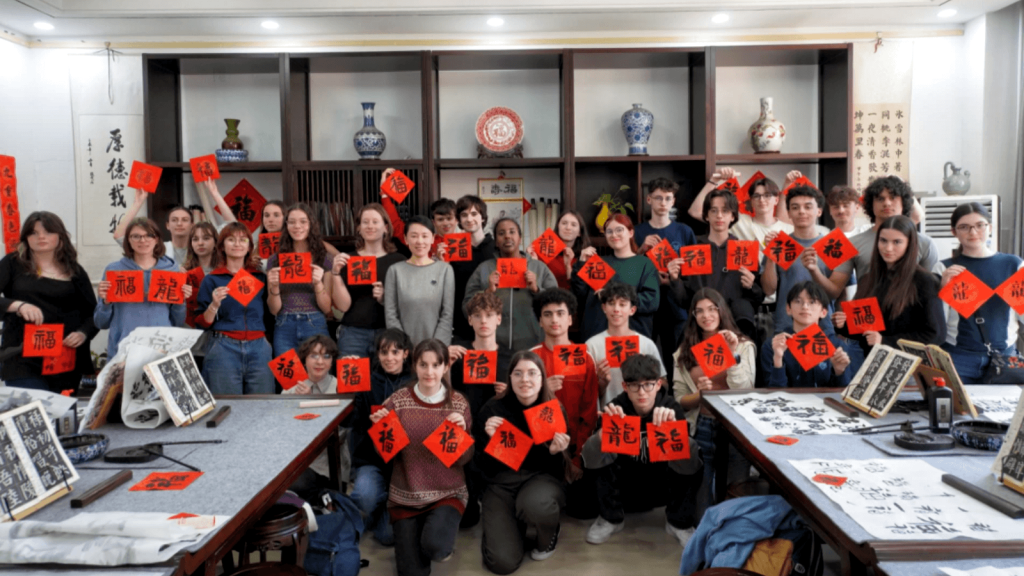
Organizing an international student trip to China requires a different level of preparation from a standard leisure tour.
The local tour operator is not only arranging hotels, coaches, guides and attraction tickets. It must also support student safeguarding, medical preparation, dietary management, accessibility, supplier compliance, group supervision and emergency response.
Overseas schools and travel agencies should therefore assess a China tour operator or a China destination management company by its legal standing, operating procedures and ability to manage real situations on the ground.
This guide sets out the main operational standards that should be confirmed before a student group travels to China.
What legal documents should a China student tour operator provide?
Before signing a service agreement or making payment, the overseas school or travel agency need to verify the legal identity of the China-based operator.
A website name, tourism brand or trading name should not replace the registered legal entity in contracts, invoices or bank instructions.
The operator should be able to provide:
- A valid Business Licence.
- A Travel Agency Business Operation Licence.
- A current Travel Agency Liability Insurance certificate.
- A Unified Social Credit Code.
- Bank account information belonging to the registered company.
- A service agreement issued under the licensed company name.
The company name shown on the contract, business licence, travel agency licence, invoice and bank account must be the same.
Where a public-facing travel company differs from the registered company name, the relationship between the two should be explained clearly in writing.
This verification establishes which legal entity is responsible for receiving payment, signing the agreement and delivering the services.
How should a China student tour itinerary be designed?
A student itinerary should begin with the educational purpose of the programme, not with a list of popular attractions.
Before designing the route, the operator should understand:
- The students’ ages.
- The number of students and accompanying adults.
- The required teacher or chaperone ratio.
- The learning objectives.
- The school’s safeguarding procedures.
- The budget.
- Dietary and medical requirements.
- Accessibility needs.
- The preferred balance between study and sightseeing.
Possible programme themes may include Chinese history, language, science, sustainability, technology, manufacturing, cultural heritage or environmental studies.
The route, activities and institutional visits should support those objectives.
How can an itinerary avoid excessive travel and student fatigue?
A route may be technically possible without being suitable for a school group.
Including too many cities often results in early departures, frequent packing, long transfers and reduced student concentration. It also creates more opportunities for luggage problems, delayed meals and students becoming separated.
A realistic student itinerary should allow enough time for:
- Headcounts.
- Security screening.
- Passport checks.
- Toilet breaks.
- Group movement through stations and airports.
- Luggage loading and collection.
- Teacher briefings.
- Meal arrangements.
- Adequate rest.
- Unexpected delays.
Travel time should be calculated from the hotel departure in one city to arrival at the next hotel, rather than using only the published train or flight duration.
For example, a two-hour high-speed train journey also involves hotel checkout, coach transfer, station entry, security screening, boarding, luggage handling and the arrival transfer.
These additional steps become more time-consuming when moving a large student group.
How should school, university and factory visits be arranged?
Institutional visits require more preparation than ordinary sightseeing.
A visit to a school, university, laboratory, robotics centre, electric vehicle factory, logistics facility or traditional craft workshop may require:
- Advance institutional approval.
- Participant name lists.
- Passport information.
- Security registration.
- Specific arrival procedures.
- Dress requirements.
- Safety briefings.
- Interpretation.
- Photography restrictions.
- Confidentiality arrangements.
- Separate vehicle access.
The operator should confirm these requirements before providing the final programme.
Allow enough time for introductions, security checks, educational briefings and questions. Institutional visits should not be placed into the schedule as short tourist stops.
What hotel standards should apply to student groups?
Hotel selection should consider student supervision and safety, not only location, price or star-rating.
Where possible, student rooms should be arranged on the same floor, corridor or clearly defined section of the hotel. Teacher and chaperone rooms should be positioned to support supervision, especially near access points or at opposite ends of the student room area.
The local operator should review:
- Emergency exits.
- Evacuation routes.
- Fire safety signage.
- Corridor lighting.
- Lift and stair access.
- Bathroom floor safety.
- Window and balcony risks.
- Night-time access control.
- Coach parking and luggage loading.
- Distance from an appropriate medical facility.
The final rooming list should identify:
- Student rooms.
- Teacher and chaperone rooms.
- Room-sharing arrangements.
- Students requiring additional support.
- Accessible rooms.
- Any rooms located separately from the main group.
A hotel’s star classification does not confirm that the property is suitable for students.
How should food allergies and dietary requirements be managed?
Dietary requirements must be collected and communicated in writing before the group arrives.
The school or organizing agency should provide a complete record of:
- Severe food allergies.
- Medical dietary restrictions.
- Religious dietary requirements.
- Vegetarian or vegan meals.
- Food in-tolerances.
- Students carrying emergency medication.
The information should be translated when necessary and sent to the restaurants, hotels and local operating team in advance.
The assigned guide or tour leader should also carry an accessible working copy during the trip.
Restaurants should be checked for:
- Appropriate food hygiene.
- Sufficient group seating.
- Reliable service times.
- Safe bottled drinking water.
- Ability to provide the agreed meals.
- Clear communication with the guide and tour coordinator.
- Reasonable separation of dishes where requested.
Important limitation
|
What coach and road safety standards should be followed?
Every coach used for a student group should be legally authorized for commercial passenger transport.
The local operator should verify:
- Commercial passenger operating qualifications.
- Passenger transport insurance.
- Legal seating capacity.
- Working seatbelts.
- First-aid kit.
- Vehicle condition.
- Driver qualifications.
- Driver rest arrangements.
- Luggage capacity.
- Emergency contact details for the transport provider.
The number of passengers must never exceed the vehicle’s legal seat capacity.
The schedule must also allow the driver to comply with applicable driving-hour, distance and rest requirements. These requirements should be checked during itinerary planning rather than after the vehicle has been booked.
How should safe boarding and drop-off locations be managed?
Student groups should not assemble, board or unload in active traffic lanes, bicycle lanes or unsafe roadside areas.
Guides and drivers should identify appropriate boarding and drop-off locations before each movement.
Where a coach cannot stop directly outside a hotel, restaurant or attraction, the walking route and meeting point should be explained to the teachers in advance.
A practical boarding procedure should include:
- Moving the students away from moving traffic.
- Completing a headcount before boarding.
- Confirming the vehicle registration number.
- Supervising luggage loading.
- Assigning adults to the front and rear of the group.
- Conducting a second count after everyone is seated.
These procedures are particularly important at railway stations, airports, busy attractions and city-centre hotels.
What medical preparations are needed before arrival?
The school should securely provide the operational health information required to support students during the programme.
This may include:
- Regular medication.
- Chronic medical conditions.
- Severe allergies.
- Mobility requirements.
- Behavioralor emotional support needs.
- Relevant recent medical treatment.
- Emergency action plans.
- Travel insurance policy numbers.
- International medical-assistance telephone numbers.
- Parent or guardian contacts.
- School emergency contacts.
Medical information should only be shared with authorized people who need it for the safe operation of the trip.
It should not be distributed unnecessarily through general email lists, supplier groups or unprotected messaging channels.
The school needs to obtain parental consent, collect accurate medical information and confirm that students are fit to travel.
What should happen during a medical emergency?
The local operating team should identify suitable hospitals or emergency medical facilities in each destination before the group arrives.
A medical emergency procedure may include:
- Contacting emergency medical services.
- Arranging immediate transport to a suitable hospital.
- Assigning a teacher or chaperone to accompany the student.
- Providing language assistance.
- Informing the school’s lead decision-maker.
- Contacting the travel insurance provider.
- Recording treatment, payments and operational decisions.
- Adjusting supervision for the remaining group.
The local operator supports communication, access and logistics. Medical decisions remain with qualified healthcare professionals and the authorized representatives of the student.
What is the procedure for a lost passport?
A lost passport can affect hotels, high-speed rail travel, domestic flights and departure from China.
The local guide should help the student and school representative:
- Check the last known locations.
- Report the loss to the police.
- Contact the relevant embassy or consulate.
- Prepare passport copies and identity records.
- Apply for an emergency travel document where required.
- Review affected train, flight and hotel reservations.
- Adjust the itinerary if necessary.
Secure passport copies should be prepared before departure and made accessible only to authorized staff.
What should happen if a student loses a phone?
The guide should first check recent locations, vehicles, restaurants, hotels and attraction lost-property offices.
Where necessary, the local team should assist with a police report.
The emergency plan should not depend entirely on students’ personal phones. Teachers should have:
- A complete student contact list.
- Parent or guardian contact details.
- The hotel address in Chinese and English.
- The guide’s telephone number.
- The local emergency contact number.
- A method of identifying students without using their devices.
Students should also be given clear instructions about where to meet the group if they lose contact.
How should a train or flight cancellation be handled?
The first priority should be protecting the group’s onward movement.
The refund process and the search for replacement transport should be treated as separate tasks. Waiting for a refund before securing new tickets may leave the group without suitable seats.
The operating team should assess:
- Alternative trains or flights.
- Group seat availability.
- Separate departures where unavoidable.
- Replacement coach transport.
- Additional accommodation.
- Revised meal arrangements.
- New guide and transfer times.
- Effects on later reservations.
- Additional costs and refund conditions.
The school or agency should receive a clear summary of the available options, timing, cost and operational consequences before a decision is made.
What should happen when a student becomes separated from the group?
A separated student requires an immediate and controlled response.
The procedure should include:
- Confirming the student’s last known location.
- Attempting telephone contact.
- Assigning adults to supervise the remaining group.
- Establishing a fixed meeting point.
- Checking nearby exits, toilets and waiting areas.
- Informing site security, station staff or police where necessary.
- Recording the time and actions taken.
- Informing the school’s lead decision-maker.
The main group must remain supervised. All teachers and guides should not leave the other students to search at the same time.
How should accessibility and mobility needs be reviewed?
Accessibility requirements should be assessed before the itinerary is confirmed.
Many historic sites, mountain areas and natural attractions in China have steep stairs, stone pathways, uneven surfaces or limited ramp access.
The local operator should identify these conditions early and discuss practical alternatives with the school.
Advance arrangements may include:
- Wheelchair-accessible hotel rooms.
- Roll-in showers.
- Lift access.
- Accessible toilets.
- Vehicle storage for wheelchairs.
- Reduced walking routes.
- Railway boarding assistance.
- Alternative entrances.
- Rest areas.
- Additional local support.
- Adjusted visit duration.
An accessible itinerary should allow the student to participate with dignity. Removing the student from an activity should not be the default solution when a workable alternative is available.
What should be included in the pre-departure briefing?
Students, families and teachers should receive practical information connected to the actual itinerary.
The briefing should be based on current official requirements and confirmed local conditions.
Entry requirements
The briefing should cover:
- Passport validity.
- Visa or visa-free eligibility.
- Arrival documentation.
- Immigration procedures.
- Customs rules.
- Required arrival declarations.
- Documents students should carry during the trip.
Entry policies can change. Schools should verify them on the official website of National Immigration Administration before departure rather than relying on information from a previous trip.
Weather and clothing
China has significant regional and seasonal differences.
Students visiting several cities may encounter different temperatures, rainfall levels and walking conditions during the same programme.
The briefing should explain:
- Expected daytime and evening temperatures.
- Rain protection.
- Comfortable walking shoes.
- Sun protection.
- Layered clothing.
- Clothing for schools, factories or formal visits.
- Equipment needed for outdoor programmes.
Payments and communication
The group should understand the practical use of mobile payments, bank cards and cash in China.
The briefing should include:
- Mobile payment preparation.
- International bank card acceptance.
- Emergency cash.
- Mobile roaming or data services.
- Device charging.
- Power banks.
- Electrical adaptors.
- Communication with the local guide.
- Steps to take when a phone is lost or has no signal.
A backup payment and communication method should always be available.
Luggage rules
The school should receive clear luggage guidance for:
- International flights.
- Domestic flights.
- High-speed rail.
- Coach transport.
- Hotels with frequent changes.
Excessive luggage slows down group movement and may create problems at stations, airports and hotels.
What does 24-hour emergency support require?
A 24-hour telephone number is only useful when the person answering has the authority and information needed to act.
Before arrival, the overseas agency, lead teacher and relevant chaperones should receive an emergency contact sheet.
A functional response structure normally includes the following parties.
On-duty operations manager
The manager coordinates the response, contacts suppliers, records decisions and assigns responsibilities.
School team leader
The school representative makes decisions on behalf of the group and communicates with parents, senior school staff or the insurer.
Local guide or tour escort
The guide supports students directly, maintains headcounts and provides current information from the scene.
Local suppliers
Hotels, transport providers, guides and coordinators make practical service changes under the direction of the operating team.
External organizations
Depending on the incident, external support may include:
- Hospitals.
- Police.
- Embassies or consulates.
- Airlines.
- Railway authorities.
- Insurance-assistance providers.
The emergency support team should remain involved until:
- The affected student is safe.
- Immediate medical or security needs have been addressed.
- The school understands the situation.
- The remaining group is supervised.
- Essential accommodation and transport have been restored.
- The next steps have been recorded.
Emergency support should involve active coordination, not simply receiving and forwarding messages.
Which documents should be finalized before the group arrives?
The following documents should be confirmed and securely shared with authorized personnel before the students travel:
- Signed service agreement.
- Final itinerary.
- Itemized inclusions and exclusions.
- Complete passenger manifest.
- Verified passport information.
- Arrival and departure details.
- Hotel confirmation list.
- Final rooming list.
- Student and chaperone room allocation.
- Dietary and allergy record.
- Relevant medical information.
- Insurance and medical-assistance details.
- Parent or guardian emergency contacts.
- School emergency contacts.
- Local guide assignments.
- Vehicle and transport provider information.
- Emergency contact sheet.
- Incident-reporting procedure.
- Institutional visit confirmations.
- Accessibility arrangements.
- Payment and cancellation terms.
Documents containing passport, medical or personal information must be transferred securely and shared only with people who require access.
What are the responsibilities of the China tour operator?
The China tour operator should:
- Provide valid legal and operating documents.
- Prepare a realistic, age-appropriate itinerary.
- Check hotels, restaurants, vehicles and local suppliers.
- Brief guides, drivers and coordinators on student-group requirements.
- Confirm institutional visits.
- Coordinate dietary and accessibility arrangements.
- Manage transport, timing and local reservations.
- Maintain emergency contact coverage.
- Respond to disruptions.
- Record serious incidents.
- Inform the school of material operational changes.
The operator is responsible for the services it contracts and coordinates within China.
What are the responsibilities of the overseas school or travel agency?
The school or organizing agency should:
- Obtain parental or guardian consent.
- Arrange suitable travel insurance.
- Collect accurate medical declarations.
- Prepare safeguarding and risk-assessment documents.
- Determine the required chaperone ratio.
- Set student behaviour and supervision rules.
- Provide complete passenger information.
- Communicate dietary and accessibility requirements.
- Appoint a lead decision-maker.
- Maintain active student supervision during the programme.
The local operator can support the school’s safeguarding procedures, but it does not replace the teachers’ responsibility for student supervision and conduct.
How should student-group incidents be recorded?
Serious incidents should be documented while the information is still current.
An incident report should normally record:
- Date and time.
- Location.
- People involved.
- Description of what occurred.
- Immediate action taken.
- Parties contacted.
- Medical or police involvement.
- Decisions made by the school.
- Changes to the itinerary.
- Supporting receipts or documents.
- Follow-up action required.
The report should be factual and should avoid assumptions about responsibility until the relevant information has been reviewed.
Final China Student Tour Operations Checklist
Before departure, the school or travel agency should confirm that:
✓ | Pre-departure confirmation |
☐ | The China operator’s legal documents have been verified. |
☐ | The contract identifies the correct legal entity. |
☐ | The itinerary is suitable for the students’ ages and objectives. |
☐ | Transfer times are realistic. |
☐ | Hotels support safe room allocation and supervision. |
☐ | Coaches and drivers meet legal operating requirements. |
☐ | Dietary and medical information has been communicated. |
☐ | Accessibility arrangements have been confirmed. |
☐ | Institutional visits are formally approved. |
☐ | Emergency hospitals have been identified. |
☐ | The group has a 24-hour emergency contact sheet. |
☐ | Teachers understand the incident-response structure. |
☐ | Passport, insurance and emergency records are securely available. |
☐ | Final guides, vehicles, hotels and transport services are confirmed. |
A well-operated student trip to China depends on more than an attractive itinerary.
The quality of the programme is determined by accurate preparation, legal accountability, realistic scheduling, suitable suppliers, clear divisions of responsibility and the ability to respond when plans change.
Schools and travel agencies should expect these procedures to be in place before the group arrives. They provide a practical operational standard for protecting students, supporting teachers and delivering an educational programme responsibly across China.