

Why Some China Hotels May Not Turn On Air Conditioning Immediately in Spring
For many international travelers visiting China during spring, one common surprise is
Outdoor temperatures may already feel close to summer, yet the China hotels they booked still has limited cooling or no active air conditioning.
Guests often notice:
- Warm or slightly stuffy hotel rooms during the afternoon
- Air conditioning systems blowing only ventilation air
- Cooling unavailable despite sunny weather
Naturally, travelers begin asking questions:
- “Why is the AC not working?”
- “Are hotels trying to save electricity?”
- “Do hotels not use air conditioning in spring?”
In reality, this is a very normal seasonal transition phenomenon in China. It is closely connected to:
- China’s centralized heating policy
- Hotel HVAC system design
- Large spring temperature fluctuations
- Regional climate differences
- How Heating and Air Conditioning systems operate during transition seasons
Understanding how Heating and Air Conditioning in China hotels work can help travelers set realistic expectations and enjoy a more comfortable trip.
Understanding China’s Heating Divide: The Qinling–Huaihe Line
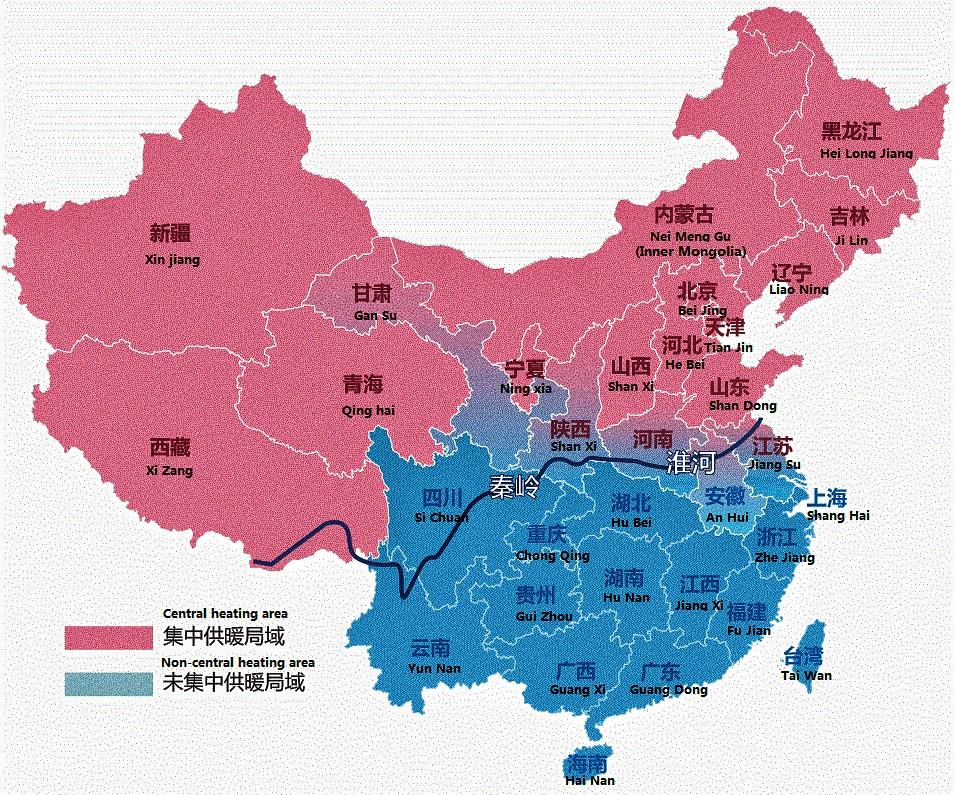
Map of China’s Northern and Southern Heating Boundary
One of the most important concepts behind Heating and Air Conditioning in China is the country’s famous heating boundary known as the Qinling–Huaihe Line.
This geographic dividing line separates northern and southern China:
- North of the line: centralized winter heating is common (Cities include Beijing, Harbin, Xi’an)
- South of the line: large-scale municipal heating usually does not exist (Cities include Shanghai, Chongqing, Guangzhou)
This explains why northern China hotels can feel extremely warm indoors during winter, while some southern hotels may feel cooler despite milder outdoor temperatures.
China Heating Season
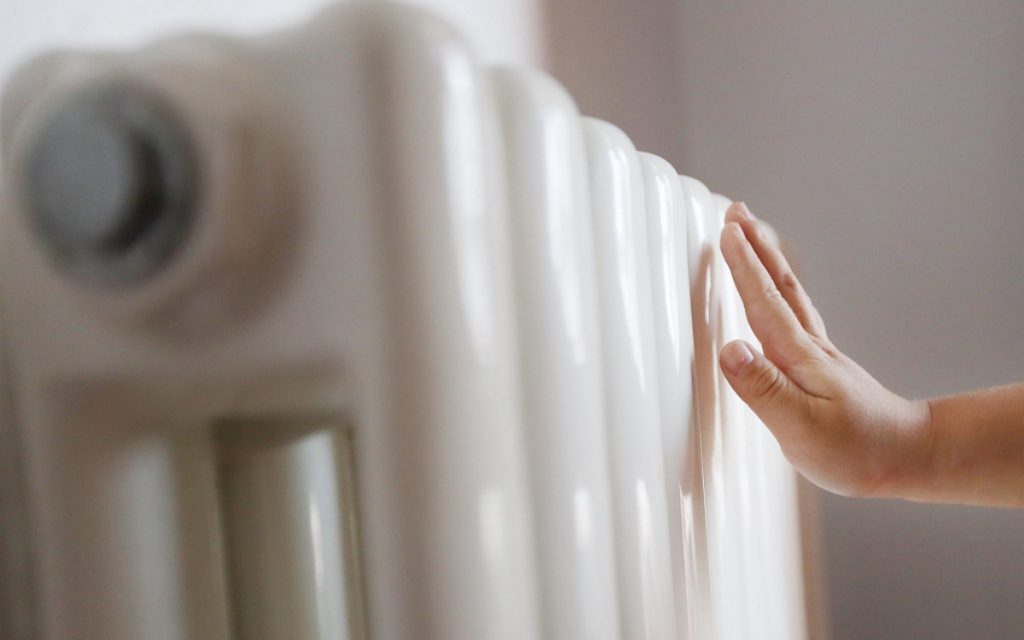
The heating units in residents' homes have been warming up
Unlike many countries where buildings control heating individually, northern China uses centralized district heating systems.
This means:
- Heating is supplied collectively across entire cities
- Municipal heating companies manage the system
- Hotels, malls, apartments, and offices are often connected to the same network
A China hotel often cannot independently decide when winter heating officially starts or ends.
Typical Heating Seasons in Northern China
| Region | Typical Heating Season |
| Beijing / Tianjin / Hebei | Nov 15 – Mar 15 |
| Northeast China (Harbin, Shenyang) | Late Oct – Early Apr |
| Xi’an / Northwest China | Early Nov – Late Mar |
| Inner Mongolia | Mid Oct – Mid Apr |
Southern Chinese cities generally do not have centralized heating systems.
However, heating schedules are not completely fixed. During unusually cold years:
- Heating may begin earlier
- Heating may extend for additional days
This seasonal infrastructure directly affects how Heating and Air Conditioning transition during spring.
Why Hotels Do Not Immediately Switch to Cooling
Many travelers assume hotels simply delay air conditioning to reduce electricity costs. In reality, the situation is more complicated.
Temperature in China highly unstable during spring weather, especially in northern cities.
For example, in Beijing during April:
- Afternoon temperatures may reach 27°C (81°F)
- Late-night temperatures may fall below 10°C (50°F)
Different Rooms Feel Completely Different
Inside the same China hotels, rooms temperatures may vary dramatically depending on:
- Sun exposure
- Building orientation
- Floor level
- Window insulation
For example:
- West-facing rooms may feel hot during afternoon sunlight
- Upper floors often retain more heat
- North-facing rooms may still feel cold overnight
If hotels switch fully into cooling mode too early, many guests may become uncomfortable once temperatures drop again at night.
How Central Air Conditioning Works in China Hotels
Another important reason for delayed cooling is that many Chinese hotels use centralized HVAC systems.
In these buildings, the entire hotel usually operates in only one mode at a time:
- Heating mode
- Cooling mode
Not both simultaneously.
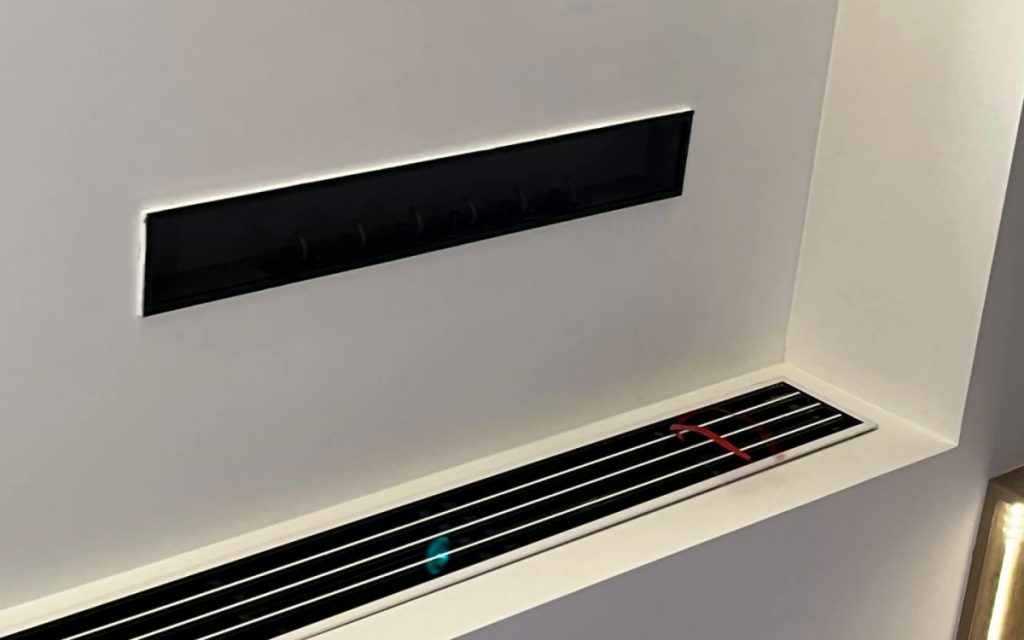
Central air-conditioning vent in a hotel room
This means that once cooling is activated:
- All rooms receive cooling
- Guests who still need heating may become uncomfortable
Because spring temperatures fluctuate heavily, many hotels delay full cooling activation until temperatures remain consistently warm.
Can Guests Control Room Temperature?
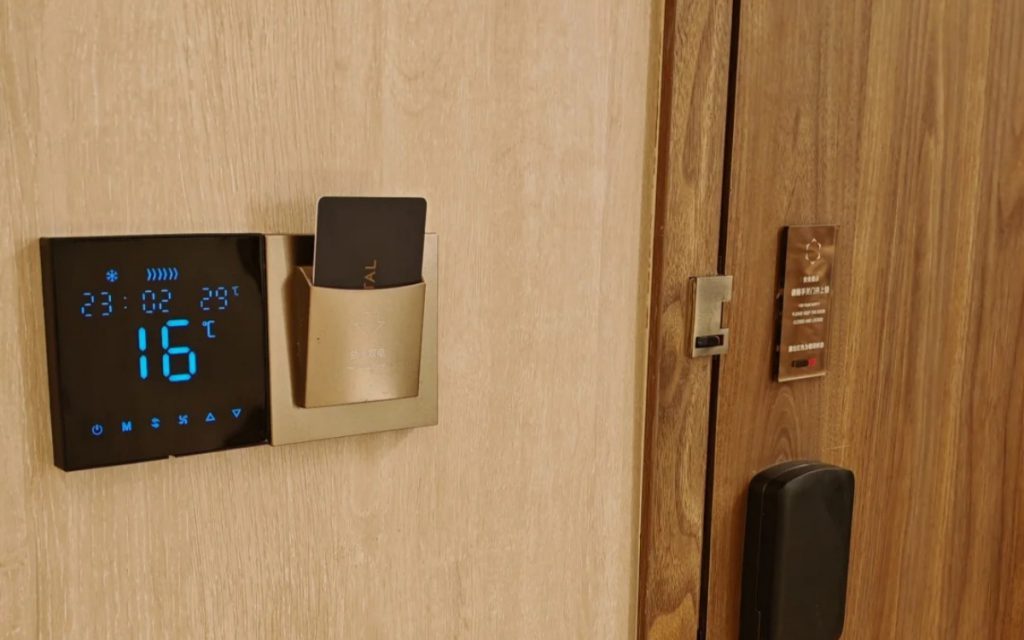
Hotel Room Air Conditioning Control Panel
Most modern China hotel properties allow guests to adjust room temperature through wall thermostats or remote-control systems.
However, the level of control depends on the hotel’s HVAC design.
Newer and International Hotels
Luxury and newly built hotels usually provide:
- Independent room temperature control
- Adjustable fan speed
- Flexible heating and cooling
- More stable climate systems
These hotels often use advanced four-pipe HVAC systems that allow better individual temperature management.
Older or Mid-Range Hotels
Some older hotels only provide limited control. Guests may be able to:
- Change fan speed
- Use ventilation mode
- Adjust airflow
But cooling or heating itself may still be controlled centrally by hotel management.
This is why travelers sometimes see a thermostat but cannot actually activate cold air.
What Is “Transition Season Mode” in China Hotels?
Between March and May, many hotels enter a seasonal transition period.
Common situations include:
- Ventilation-only airflow
- Fan mode without active cooling
- Limited daytime cooling
- Cooling only on selected floors
This is especially common in northern China during spring.
Importantly, this usually does not indicate poor service. Instead, it reflects how hotels balance changing outdoor temperatures with centralized HVAC operations.
Is There a Law Requiring Hotels to Turn On Air Conditioning?
No nationwide law in China requires hotels to activate cooling at a specific date or temperature.
This is mainly because China’s climate varies enormously.
For example, in April:
- Guangzhou may already exceed 30°C (86°F)
- Beijing nights may still fall below 8°C (46°F)
- Chengdu may experience cool rainy weather
- Parts of Xinjiang may still receive snowfall
Indoor comfort also depends on:
- Humidity
- Ventilation
- Sunlight exposure
- Room orientation
- Building insulation
Because of this, hotels evaluate indoor comfort conditions rather than relying only on outdoor temperature readings.
Will Hotels Help Guests Who Feel Too Hot or Too Cold?
Usually, yes.
Most mid-range and upscale China hotel properties care strongly about guest comfort, especially in major tourist destinations.
If guests report temperature problems, hotels may offer:
- Portable fans
- Extra blankets
- Portable heaters
- Room changes
- Earlier cooling activation
- Ventilation adjustments
International hotel brands are generally more flexible with climate-control requests.
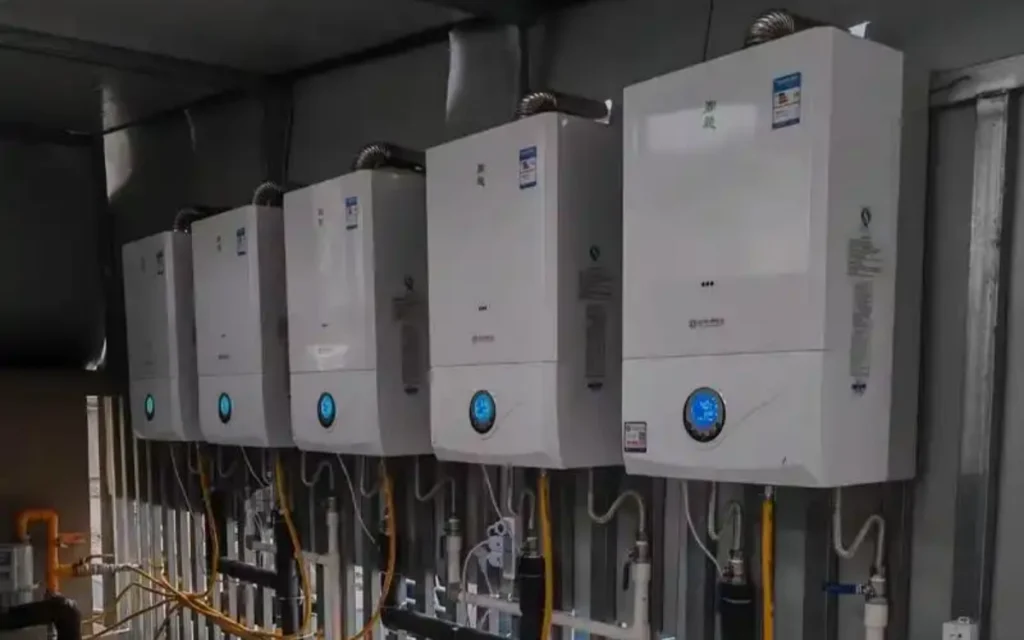
Hotel Heating System
Practical Spring Travel Tips for China
1. Pack Layered Clothing
Spring temperatures in China change rapidly between daytime and nighttime.
Bring:
- Light jackets
- Thin down layers
- Long sleeves
- T-shirts
2. Ask About Air Conditioning During Check-In
A simple question can help avoid surprises:
Is the air conditioning currently available for cooling?
Most hotel staff will gladly explain the current system status.
3. Choose Newer Hotels During Spring
Newer hotels usually provide:
- Better insulation
- More flexible HVAC systems
- Better Heating and Air Conditioning control
This is especially useful in cities with large spring temperature swings.
Spring is one of the most beautiful times to visit China, but it is also a true transition season.
Warm afternoons, cool nights, large daily temperature differences, and changing weather patterns all affect how Heating and Air Conditioning operate in a China hotel.
At the same time:
- Northern China still follows centralized heating systems
- Many hotels use centralized HVAC designs
- Switching from heating to cooling affects the entire building
Because of this, travelers visiting China during April or May may occasionally experience:
- Warm daytime hotel rooms
- Delayed cooling activation
- Ventilation-only air conditioning
Understanding this in advance helps travelers set realistic expectations and enjoy a smoother, more comfortable stay in China.