Why Use These Itineraries?
Planning a trip to Beijing can be overwhelming, especially for first-time visitors. The city is vast, traffic conditions vary throughout the day, and many major attractions require advance planning and timed entry reservations. This itinerary is designed to make travel in Beijing easier, smoother, and more enjoyable. It combines the city’s most important historical landmarks, cultural experiences, and local neighborhoods in a logical and comfortable route, helping travelers make the most of their time without feeling rushed. Built with practical travel experience in mind, the itinerary balances iconic highlights such as the Forbidden City and the Mutianyu Great Wall with quieter cultural sites, traditional Hutong areas, and local experiences. Travel times, sightseeing pace, and daily schedules are arranged to create a more relaxed and realistic journey.
Highlights
- Explore the magnificent Forbidden City and imperial landmarks
- Walk across historic Tiananmen Square
- Visit the iconic Temple of Heaven
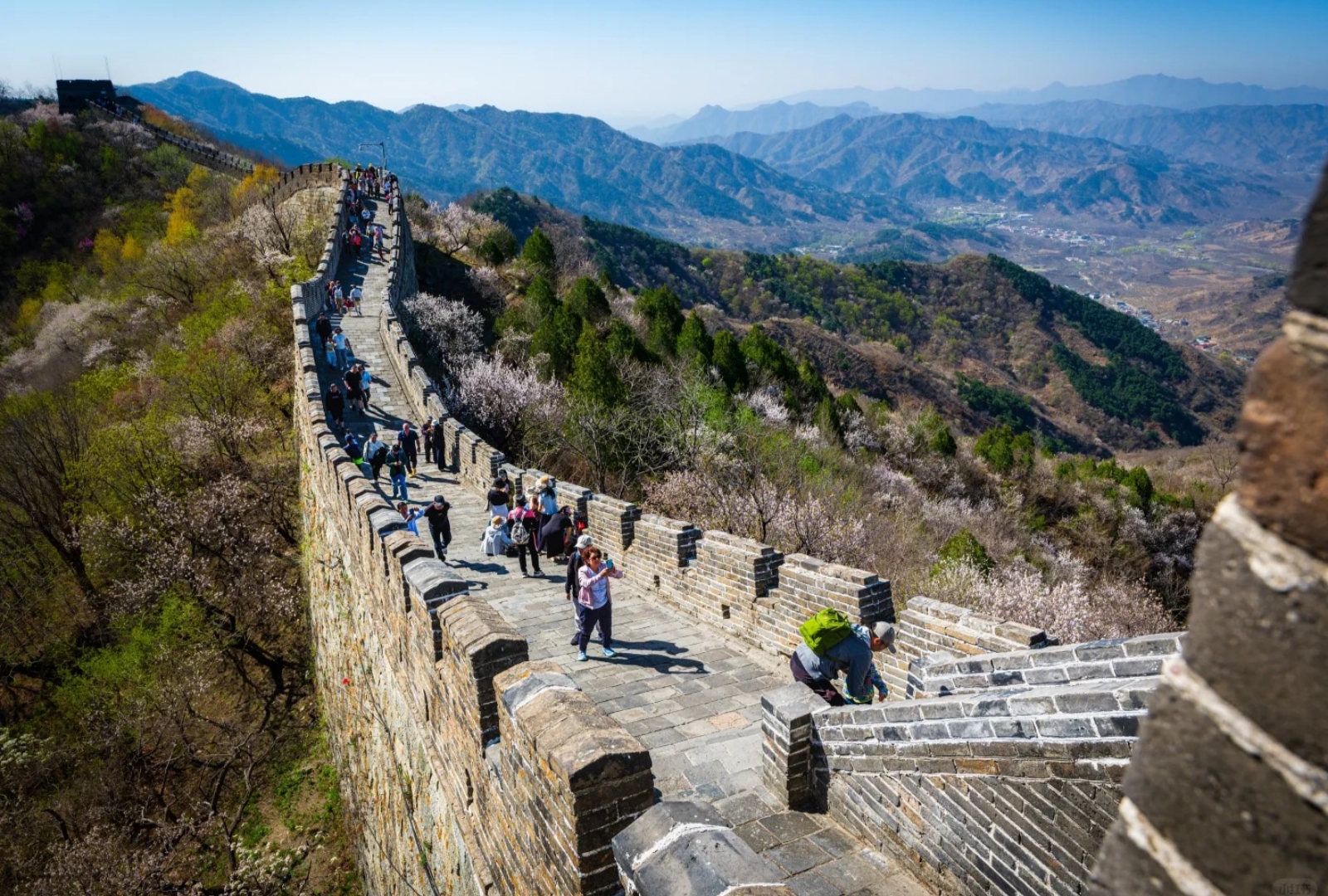
- Hike the scenic Mutianyu Great Wall
- Discover traditional Hutong neighborhoods and local culture
- Enjoy Beijing cuisine, including the famous Peking Roast Duck
Detailed Itinerary
-
Welcome to Beijing. Upon arrival at the airport or railway station, meet your driver and transfer to your hotel for check-in.
Beijing is well connected by international flights and China’s extensive high-speed rail network. Popular train routes include:
- Shanghai to Beijing: around 4.5–6 hours
- Xi’an to Beijing: around 4–6 hours
- Guangzhou to Beijing: around 7.5–8 hours
- Chengdu to Beijing: around 7.5–10 hours
- Chongqing to Beijing: around 7–9 hours
- Hong Kong to Beijing: around 8 hours
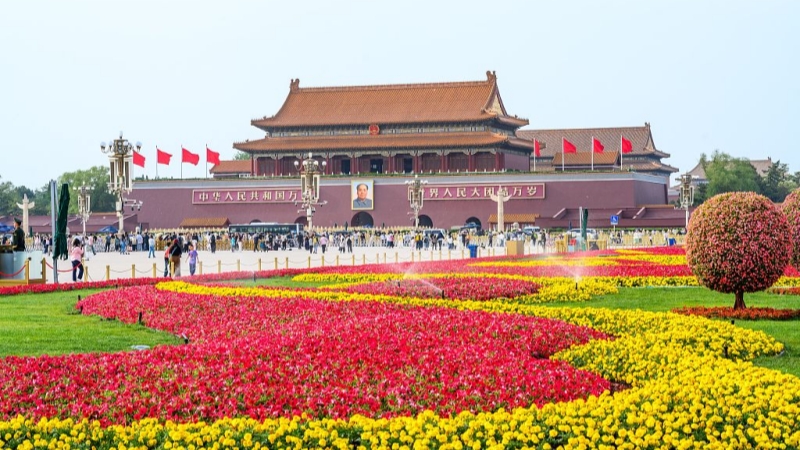
Forbidden City Today focuses on Beijing’s imperial heritage and some of China’s most iconic historical landmarks.
Begin at Tiananmen Square, one of the world’s largest public squares, before entering the magnificent Forbidden City, also known as the Palace Museum. Once home to 24 emperors during the Ming and Qing dynasties, the vast palace complex features grand halls, courtyards, and traditional imperial architecture.
After exploring the Forbidden City, continue to Jingshan Park. From the hilltop pavilion, enjoy a panoramic view overlooking the rooftops and central axis of the Forbidden City.
In the afternoon, visit the Summer Palace, considered the finest preserved royal garden in China. Stroll along Kunming Lake, the Long Corridor, and Longevity Hill while learning about the lifestyle of the Qing imperial court.
In the evening, you may choose to attend an optional cultural performance such as a Kung Fu show, acrobatic performance, or traditional Peking Opera.
Sacred Way After breakfast, drive about 1.5–2 hours to the Mutianyu Great Wall, one of the best-preserved and less crowded sections of the Great Wall.
For a more comfortable visit, cable car rides are available for both ascent and descent. Travelers can choose between several hiking routes depending on fitness level and available time:
- A popular route is from Tower 14 to Tower 19 and back
- Adventurous hikers may continue to the steep “Great Man Slope” near Tower 20
- Longer hiking routes from Tower 14 toward Tower 6 offer wider scenery and fewer crowds
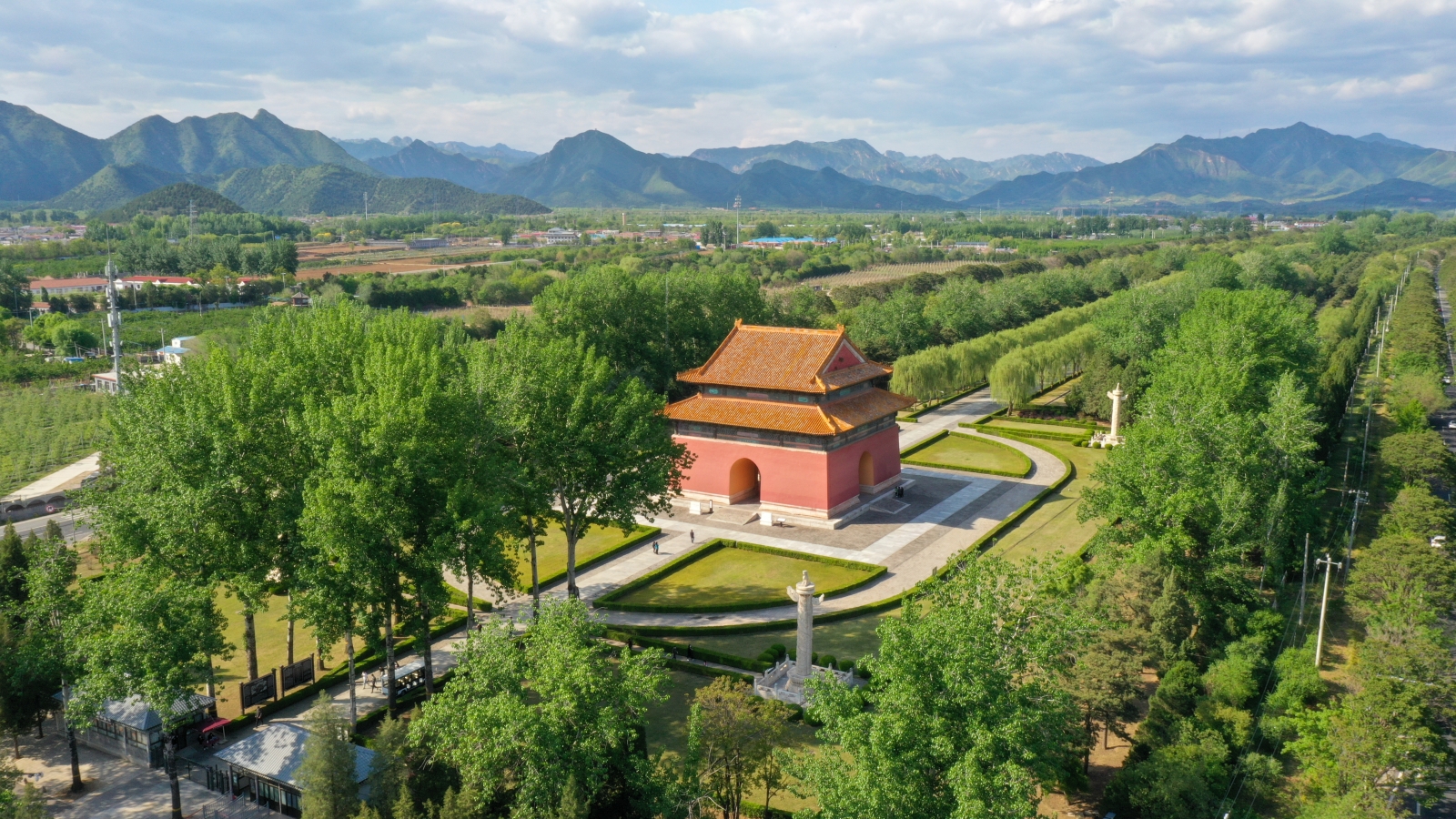
After visiting the Great Wall, continue to the Sacred Way, the ceremonial pathway leading to the Ming Tombs. Lined with impressive stone statues, the site offers insight into imperial burial traditions of the Ming Dynasty.
On the return drive to the city, stop at Olympic Green to see the famous Bird’s Nest Stadium and Water Cube, built for the 2008 Beijing Olympics.
For travelers interested in contemporary culture, the 798 Art Zone can be visited as an alternative to the Sacred Way.
In the evening, don’t miss the chance to try Beijing’s famous Peking Roast Duck or explore local snack streets and night markets.
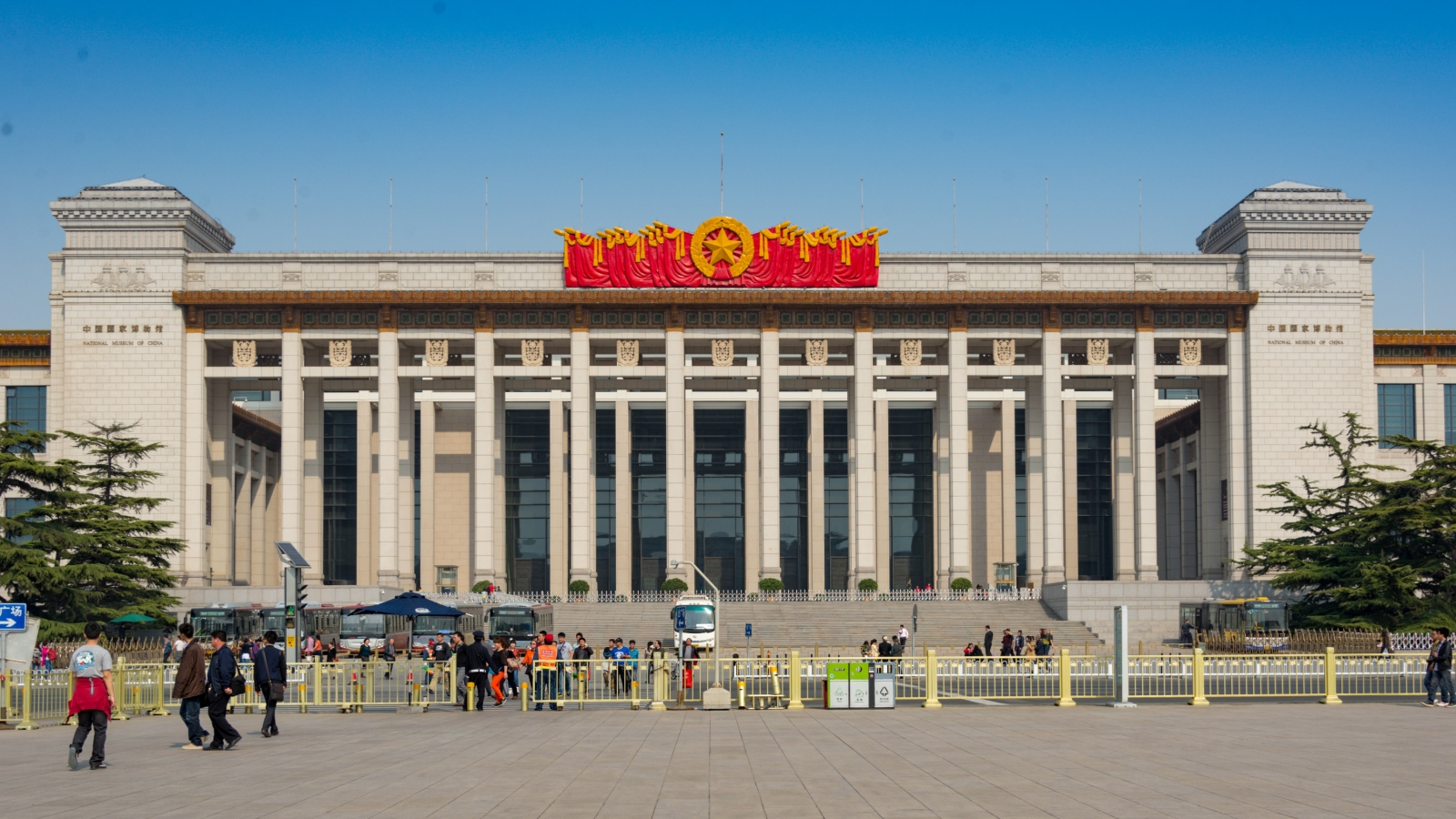
National Museum of China Today offers a deeper look into Chinese history, religion, and traditional philosophy.
Start at the National Museum of China, located beside Tiananmen Square. The museum houses an extensive collection of artifacts covering thousands of years of Chinese civilization, from ancient bronzes and ceramics to modern historical exhibitions.
Next, visit the Yonghe Temple, also known as the Lama Temple. This important Tibetan Buddhist monastery combines Han Chinese and Tibetan architectural styles. Highlights include richly decorated halls and the towering Maitreya Buddha statue carved from a single sandalwood tree.
Continue to the nearby Temple of Confucius, where emperors once paid tribute to Confucius. The peaceful courtyards and ancient stone tablets reflect the lasting influence of Confucian philosophy in Chinese society.
A short walk away is the Guozijian, the highest educational institution in imperial China. Here, scholars studied Confucian classics and prepared for the imperial examinations.
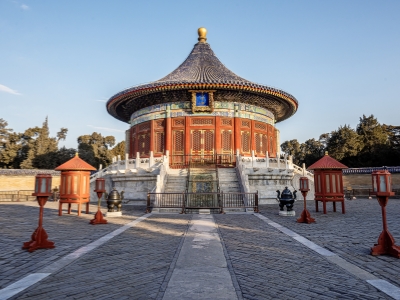
the Temple of Heaven Before your departure, enjoy a relaxed final morning in Beijing.
Begin at the Temple of Heaven, where Ming and Qing emperors once held ceremonies to pray for good harvests. The park is also a popular gathering place for local residents practicing tai chi, dancing, singing, and traditional exercises.
Later, explore Beijing’s historic Hutong neighborhoods by rickshaw or on foot. These narrow alleyways and traditional courtyard homes offer a glimpse into old Beijing and everyday local life.
After the tour, transfer to the airport or railway station for your onward journey.
MAKE AN INQUIRY TOP