Why Use These Itineraries?
The Silk Road, an ancient network of trade routes, once carried silk and countless goods between East and West. Today, modern transportation has replaced caravans, but the historical significance and cultural legacy of the Silk Road remain timeless. Travelers exploring this route can witness the exchange of civilizations and experience China’s rich history firsthand. This 12-day Silk Road tour highlights the most iconic stops across China. Beginning in Beijing, the nation’s ancient and modern capital, the journey continues to Xi’an, home to legendary ancient sites, Dunhuang, the cultural heart of the Silk Road, Turpan, a desert oasis, and Kashgar, China’s westernmost city. Along the way, you will encounter imperial palaces, historic temples, Buddhist grottoes, traditional neighborhoods, bustling bazaars, deserts, and fascinating museums—a perfect blend of history, culture, and adventure.
Highlights
- Discover Beijing’s imperial heritage at the Forbidden City and Great Wall, with a touch of modern city views.
- Explore Xi’an’s rich history through the Terracotta Warriors and ancient city walls.
- Marvel at Dunhuang’s Mogao Grottoes, home to exquisite Buddhist murals and ancient treasures.
- Explore Jiaohe Ancient City, a well-preserved earthen city that reveals Silk Road history.
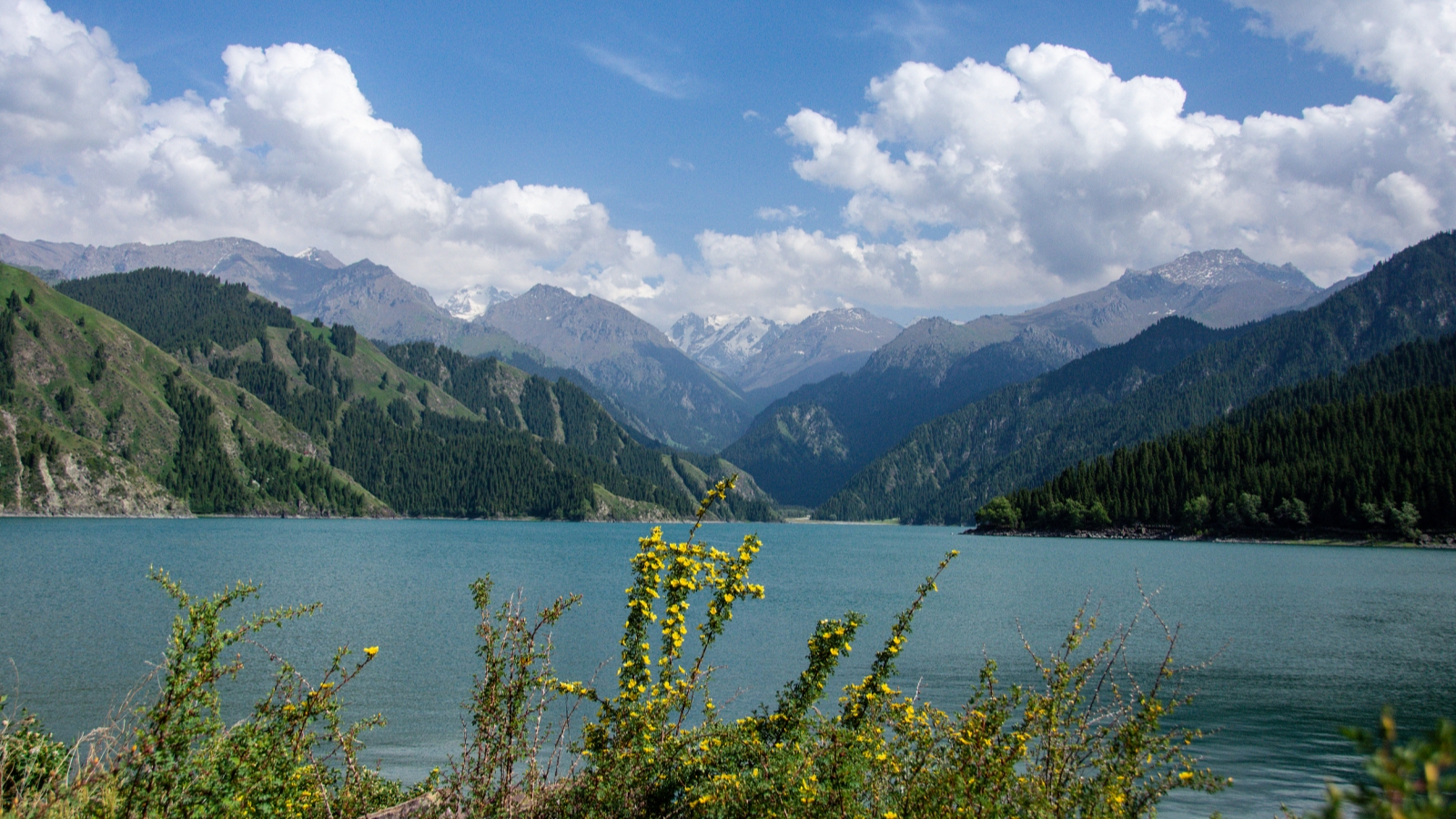
- Admire Xinjiang’s cultural artifacts at the regional museum and enjoy the scenic Heavenly Lake.
- Wander Kashgar Old City, a living fusion of eastern and western cultures along the historic Silk Road.
Detailed Itinerary
-
Upon arrival at the airport or train station, meet your local guide, who will escort you to your downtown hotel in a private, comfortable vehicle for check-in. The rest of the day is free to relax, or you can ask the guide for tips on nearby sights and activities.
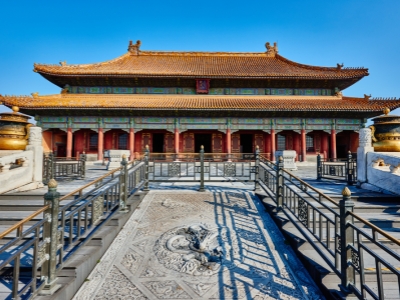
Forbidden City After breakfast, begin your journey into Beijing’s rich history with a visit to Tiananmen Square, the world’s largest public plaza and the site where Chairman Mao declared the founding of the People’s Republic of China.
Step through Tiananmen Gate into the Forbidden City, the imperial palace of 24 Ming and Qing emperors. Wander its nearly 10,000 rooms and courtyards, admiring the yellow-glazed roofs, white marble bases, and intricate architectural details that showcase centuries of imperial grandeur.
Next, walk to Jingshan Park and climb to the summit for a panoramic view of the Forbidden City, Beihai Park, Shichahai Lake, and the Drum Tower. Corner towers of the palace offer especially striking photo opportunities.
After lunch, head to the Summer Palace, the imperial family’s former retreat and China’s largest preserved royal garden. Explore its ancient pavilions, serene temples, elegant bridges, and the Long Corridor along Kunming Lake, adorned with thousands of vibrant paintings depicting historical and mythical scenes.
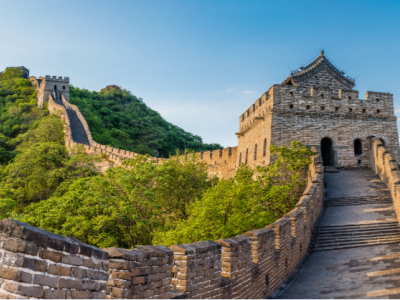
Mutianyu Great Wall Travel approximately 70 km (about 1.5 hours) from Beijing to the Mutianyu Great Wall, a less-crowded and picturesque section of this UNESCO World Heritage site. Begin your adventure by taking the enclosed cable car to Watchtower 14. Walk west along the wall, enjoying the watchtowers and panoramic hills, or take the steep Great Man Slope to Watchtower 20. After exploring, return to Watchtower 14 and descend via cable car.
For extra excitement, visitors under 60 years old can take the toboggan ride from Watchtower 6 to descend the wall, a thrilling alternative that combines speed with scenic views (queues may occur during peak travel periods).
Next, visit the Sacred Way, a 7-kilometer avenue leading to the Ming Dynasty Imperial Tombs. Stroll along the grand path lined with imposing stone archways, guardian statues of mythical animals, and official figures, reflecting the majesty of ancient Chinese rituals. Learn about the history of the “Son of Heaven” emperors who traveled this path between Heaven and Earth.
Finally, on the drive back to Beijing, make a stop at the Olympic Village to admire the iconic Bird’s Nest Stadium and Water Cube from outside, capturing modern architectural marvels that contrast with the day’s historic sites.
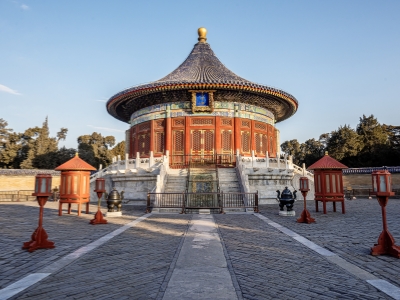
Temple of Heaven Begin your day at the Temple of Heaven, where Ming and Qing emperors once performed rituals to pray for good harvests. Explore the grand halls and gardens while observing local residents practicing Tai Chi, dancing, and exercising among the lush pine trees.
Next, return to the city center for a rickshaw ride through the historic Beijing Hutongs. Wander the narrow alleys lined with traditional courtyard homes, browse charming shops, and visit a local family to experience authentic Beijing life.
The Beijing portion of your journey concludes as you are transferred to Beijing West Railway Station for a high-speed train to Xi’an (approx. 5 hours). Upon arrival at Xi’an North Railway Station, your guide will escort you to your hotel, with the rest of the day free to explore this ancient capital.
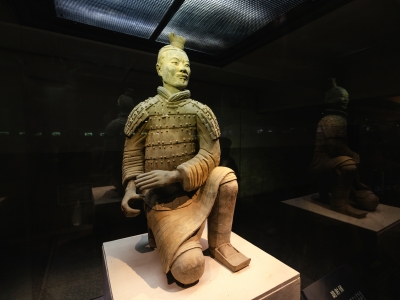
Terracotta Warriors Drive about 40 km to visit the world-famous Terracotta Warriors and Horses, built by Emperor Qin Shihuang to guard him in the afterlife. Over 8,000 life-sized warriors, horses, and chariots, buried in three pits for more than 2,000 years until rediscovered by a local farmer in 1974, form a complete ancient military army. Marvel at the ambition of Emperor Qin and the extraordinary craftsmanship of ancient artisans.
In the afternoon, head to Zhonggulou Square to see the iconic Bell Tower and Drum Tower. These grand structures, with their intricate designs, once marked the time of day with the morning bell and evening drum. Climb one of the towers for panoramic views of Xi’an. Spend the remaining time exploring the lively Muslim Quarter, sampling local snacks and experiencing the rich culture. Don’t miss the Great Mosque of Xi’an, a serene fusion of Chinese and Islamic architecture. Afterwards, return to the hotel, or extend your visit to the Muslim Quarter or nearby towers if desired.
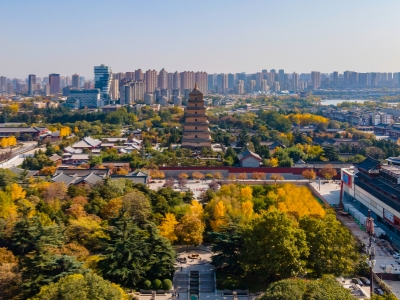
Giant Wild Goose Pagoda Explore Xi’an’s rich history with a morning visit to the Ancient City Wall, the largest and best-preserved city wall in China. Enter through Hanguang Gate, where a small museum showcases over 1,400 years of Tang Dynasty wall ruins, including gateways, cross-sections, and water channels. Stroll along the wall for panoramic city views or rent a bike (extra 45 RMB) for a flexible cycling experience. Next, visit a local family to learn about traditional daily life and try your hand at making Chinese dumplings, followed by lunch with the family.
In the afternoon, head to Da Ci’en Temple to see the iconic Giant Wild Goose Pagoda, built by Buddhist master Xuanzang to store sacred scriptures brought from India. Optional: climb the pagoda for 30 RMB. You’ll also have a chance to try on Hanfu, the traditional clothing of emperors and nobles, for a memorable photo opportunity.
In the evening, enjoy a stroll through Grand Tang Dynasty Ever Bright City, where illuminated streets and architecture recreate the grandeur of the Tang Dynasty, offering a magical nighttime experience.
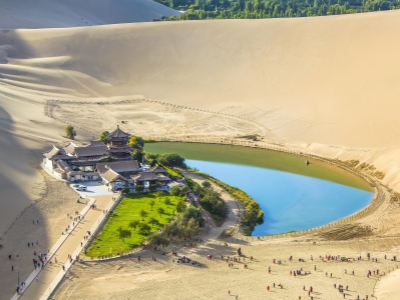
Crescent Lake In the early morning, your tour guide will assist with your transfer to Dunhuang Airport for the flight (about 2.5 hours). Upon arrival, a local guide and driver will escort you to your hotel for check-in and a brief rest. In the afternoon, visit Mingsha Mountain (Echoing Sand Dunes) and Crescent Lake, just 10 km from downtown, when temperatures are cooler and the sun is gentler.
Mingsha Mountain is famous for the natural echoing sounds produced by shifting sand. Visitors can try a variety of activities at their own expense, including sand sliding, camel rides, glider or helicopter tours, and desert motorcycling. Nestled among the dunes, Crescent Lake is a serene oasis shaped like a crescent moon, with clear waters, lush greenery, and traditional Chinese architecture. After sightseeing, return to Dunhuang city.
Optional: Spend a night camping in the desert at Mingsha Mountain for a unique experience. Enjoy evening activities like sand skiing, desert motorcycling, and bonfire gatherings under the starry sky.
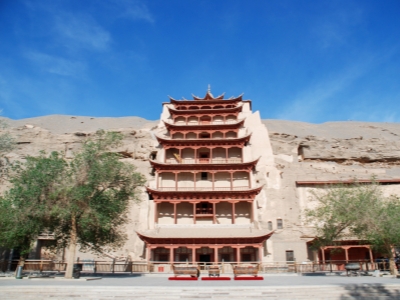
Mogao Grottoes After breakfast, drive about 10 km from Dunhuang to the Mogao Grottoes Digital Exhibition Center. Here, watch two short, engaging documentaries that explain the history, art, and cultural significance of the grottoes, providing helpful context for your visit. Afterwards, take the internal shuttle to the Mogao Grottoes.
Known as the "Louvre of the East," the Mogao Grottoes feature 492 caves with 45,000 square meters of intricate murals and over 2,100 painted statues, showcasing 1,600 years of Chinese artistic evolution. About 40 caves are open to the public, with guided tours covering 7–8 caves from April to November and up to 12 caves from December to March. Optional special caves are available for an additional fee for those wanting a deeper exploration.
In the afternoon, board a high-speed train from Liuyuan South Railway Station to Turpan, a journey of roughly 3.5 hours. Upon arrival at Turpan North Railway Station, a local guide will meet you and transfer you to your hotel. The rest of the day is free for leisure.
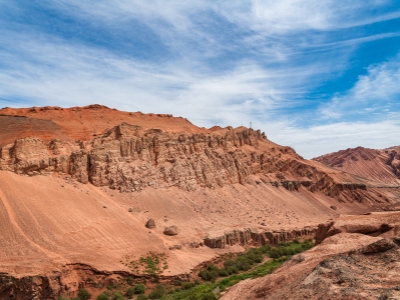
Flaming Mountain Start the day with a scenic drive along the Flaming Mountain Grand Canyon, the fiery red sandstone range famed as the hottest spot in Turpan and immortalized in Journey to the West. Admire the dramatic cliffs, deep gorges, and unique rock formations that give the mountain its blazing appearance.
Continue to Tuyuk Valley, an ancient Uighur settlement with over 2,600 years of history. Explore Mazar Village, known as the “Eastern Mecca,” and witness its blend of Islamic and Buddhist heritage. Stroll through traditional mud adobe houses and observe the villagers’ daily life.
Return to Turpan City to visit the Karez System, one of China’s Three Greatest Ancient Projects. Learn about this ingenious underground irrigation network at the Turpan Karez Museum and walk through real tunnels that channel water from the Tianshan Mountains to desert farmlands.
End the day at Jiaohe Ancient City, a plateau fortress along the Silk Road. Explore the well-preserved earthen ruins, including residential areas, administrative zones, and Buddhist temples, and enjoy panoramic views from the central platform.
After a full day of cultural and historical exploration, drive about three hours to Urumqi for your overnight stay.
Tianchi Start the day with a visit to Xinjiang Regional Museum, the premier museum dedicated to the ancient Silk Road. Home to around 50,000 relics, including over 400 National First-Class artifacts, the museum offers a deep dive into the region’s rich history and culture. Highlights include the Mummy Hall, featuring over ten remarkably preserved mummies from the Loulan Ancient Kingdom, including the famous Loulan Princess, whose European features leave a lasting impression.
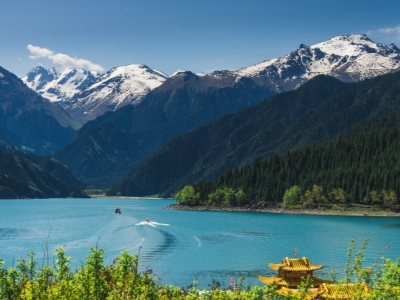
Next, drive about 70 km (1.5 hours) to Heavenly Lake (Tianchi), a stunning alpine lake at 1,980 meters surrounded by snow-capped mountains, glaciers, forests, and grasslands. To protect the environment, private cars stop at the park entrance, and a park bus takes you closer to the lakeside, followed by a short 15-minute walk.
There are several ways to enjoy Heavenly Lake:
- Walk along the lakeside on plank roads, taking in the fresh air and natural scenery at your own pace. Completing the full circle takes about 5 hours. (Free)
- Boat cruise to explore the deeper lake areas on modern, traditional, or high-speed boats. (Approx. CNY 100)
- Cable car to Maya Mountain for a panoramic view of the lake and Tianshan Mountain range. (Approx. CNY 220)
After exploring, take the park bus back to the entrance and return to Urumqi. Your guide will help arrange the activities according to your preferences and time.
Kashgar Old Town Early in the morning, take a flight to Kashgar (about 2 hours), the southwestern gateway of Xinjiang and a key hub of trade and cultural exchange along the ancient Silk Road. Upon arrival, meet your local guide and driver and transfer to downtown Kashgar.
Begin your exploration at the Abakh Hoja Tomb, a remarkable architectural complex featuring chapels, gardens, and archways. Admire the exquisite Islamic design and learn about Uyghur funeral customs, as this tomb holds the remains of five generations of the Abakh Hoja family, including a local Islamic master renowned for spreading Islam in the region.
Next, visit Id Kah Mosque, Kashgar’s most important religious site, where thousands of Muslims gather daily to pray. Once a school of Islamic culture, the mosque remains a vital center of local heritage and history.
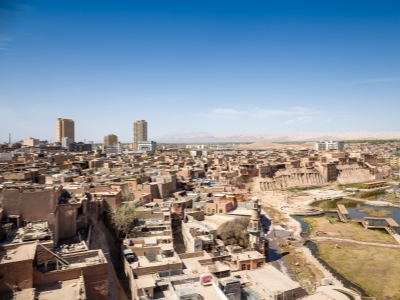
Continue to Kashgar Old Town, where narrow streets and traditional earth buildings offer a glimpse of authentic Uyghur life. Stroll along Handicrafts Street to watch artisans at work and pick up unique souvenirs. Pause at the Ancient Tea House, over a century old, to enjoy local tea and soak in the atmosphere as locals gather for chatting, music, and leisure.
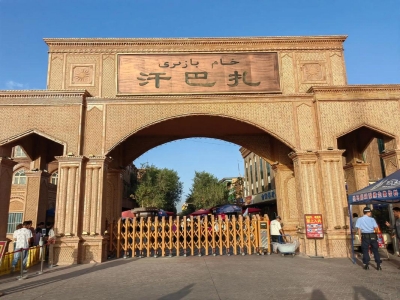
Kashgar Bazaar Explore the lively and colorful Kashgar Bazaars, where the city’s rich Silk Road history comes alive. “Bazaar” in Uygur means a large market, and these bustling spaces have been trading hubs for centuries. Each market has its own character and specialty, from handicrafts and local teas to woodenware, iron goods, hats, and flower pots. Choose the bazaars that interest you most, and your guide can help plan the visit.
If your visit falls on a Sunday, don’t miss the famous Livestock Market. Herds of sheep, camels, horses, cows, and donkeys are brought in by Uyghur farmers, creating a noisy, dusty, and fascinating scene that offers a glimpse into traditional rural life.
After the market tour, you will be transferred to catch your flight or train to the next destination, or to the border if continuing your journey out of China.
MAKE AN INQUIRY TOP