Why Use These Itineraries?
Planning an educational trip to China from scratch can be overwhelming—coordinating transport, scheduling visits, and ensuring students get both learning and cultural experiences takes hours of research. These itineraries save you time and effort. Developed from years of experience with student groups and on-the-ground travel operators, they highlight the best times to visit attractions, recommend lesser-known routes to avoid crowds, and balance cultural, historical, and hands-on learning activities. These itineraries are fully adaptable: swap destinations, upgrade accommodations, add extra activities, or extend your stay. Every element is designed to maximize educational value while keeping the trip safe, enjoyable, and logistically smooth for students and teachers alike.
Highlights
- Explore Beijing’s imperial heritage, including the Forbidden City, Tian’anmen Square, and Temple of Heaven.
- Experience local life with a tour through Hutongs and traditional markets.
- Visit ancient wonders, including the Mutianyu Great Wall, Terracotta Army, and Small Wild Goose Pagoda.
- Discover nature and wildlife, from giant pandas in Chengdu to hiking Zhangjiajie National Forest Park.
- Engage in modern culture and creativity through Shanghai’s gardens, art districts, workshops, and river-based learning.
Detailed Itinerary
-
Upon arrival at Beijing Capital International Airport, students are greeted by a private driver and escorted their hotel. After check-in, a brief orientation introduces students to Chinese culture, local customs, and safety guidelines, ensuring they feel confident and prepared for their journey.
The evening offers free time to rest after the flight or take a short walk around the hotel area, providing the first exposure to Beijing’s bustling city streets and local shops.
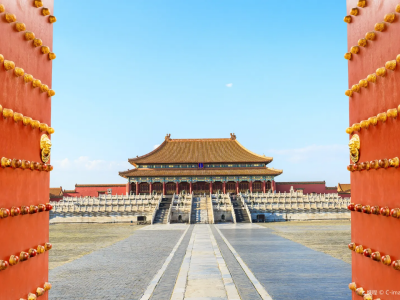
Forbidden City Students begin the day at Tian’anmen Square, one of the largest public squares in the world, where they learn about its significance in modern Chinese history and political symbolism. A guided tour of the Forbidden City follows, exploring the vast palace complex of the Ming and Qing dynasties.
In the afternoon, the group visits the Temple of Heaven, a UNESCO World Heritage site, to study Confucian rituals and the relationship between ancient Chinese philosophy and astronomy.
The day concludes with a visit to Huguosi Snack Street, where students sample traditional Beijing snacks and learn about local culinary customs, providing a sensory introduction to the city’s daily life.
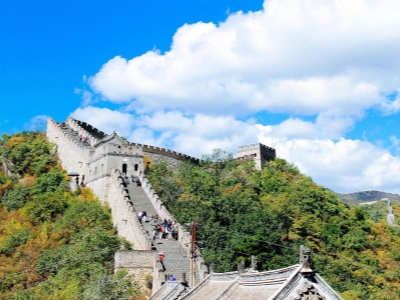
Mutianyu Great Wall A full day is devoted to the Mutianyu Great Wall, a less crowded section ideal for student groups. The guided tour explains the Wall’s historical purpose, military strategies, and engineering achievements. Students have time to walk along the restored watchtowers and ramparts, experiencing the scale of this ancient structure firsthand.
In the afternoon, a tour through Beijing’s hutongs provides insight into local life, courtyard architecture, and traditional family structures. Students may visit a local home for a brief cultural exchange, learning about daily life in Beijing.
Optional evening workshops in calligraphy or dumpling-making encourage hands-on engagement with Chinese traditions, helping students connect classroom knowledge with lived cultural experiences.
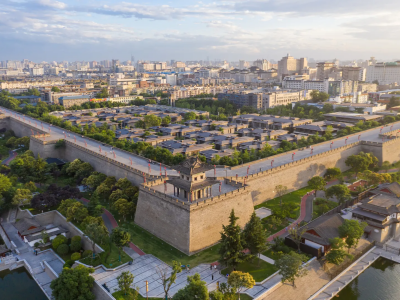
Xi’an City Wall After breakfast, students board a high-speed train to Xi’an ( About 5–6 hours), an iconic city on the Silk Road. Upon arrival, the group explores the Xi’an City Wall, a remarkably preserved defense structure dating back to the Ming Dynasty. Students learn about ancient Chinese urban planning and military defense strategies. A walking tour through the Muslim Quarter introduces local markets, traditional architecture, and Xi’an’s multicultural heritage.
The evening features a welcome dinner with traditional Shaanxi cuisine, including famous dishes like biangbiang noodles and roujiamo, providing both cultural and gastronomical education.
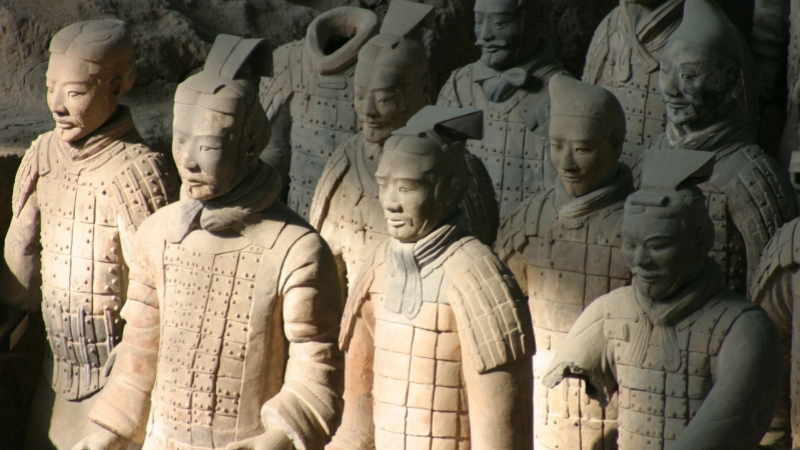
Terracotta Warriors Students spend the morning at the Terracotta Warriors and Horses Museum, a UNESCO World Heritage Site, examining life-sized sculptures that demonstrate Qin Dynasty military organization and artistry. Guides explain the historical context of Emperor Qin Shi Huang’s unification of China and the archaeological significance of the discovery.
In the afternoon, the group visits the Small Wild Goose Pagoda, exploring Tang Dynasty architecture, Buddhist influence, and ancient religious practices. Time is allotted for reflection, journaling, or group discussion, encouraging students to think critically about historical continuity and cultural preservation.

Chengdu Research Base of Giant Panda Breeding A morning flight brings the group to Chengdu, the capital of Sichuan Province. Students visit the Chengdu Research Base of Giant Panda Breeding, learning about conservation techniques, breeding programs, and the biology of giant pandas.
In the afternoon, they explore Wuhou Shrine, dedicated to Zhuge Liang, a famous strategist of the Three Kingdoms period, and stroll through Jinli Ancient Street, where traditional crafts, architecture, and street food provide insight into regional culture.
Optional evening activities include a Sichuan Opera performance, featuring the mesmerizing face-changing act, offering students an engaging introduction to Chinese performing arts and storytelling traditions.
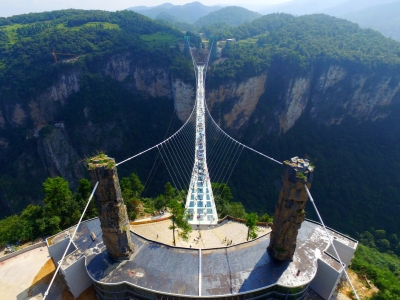
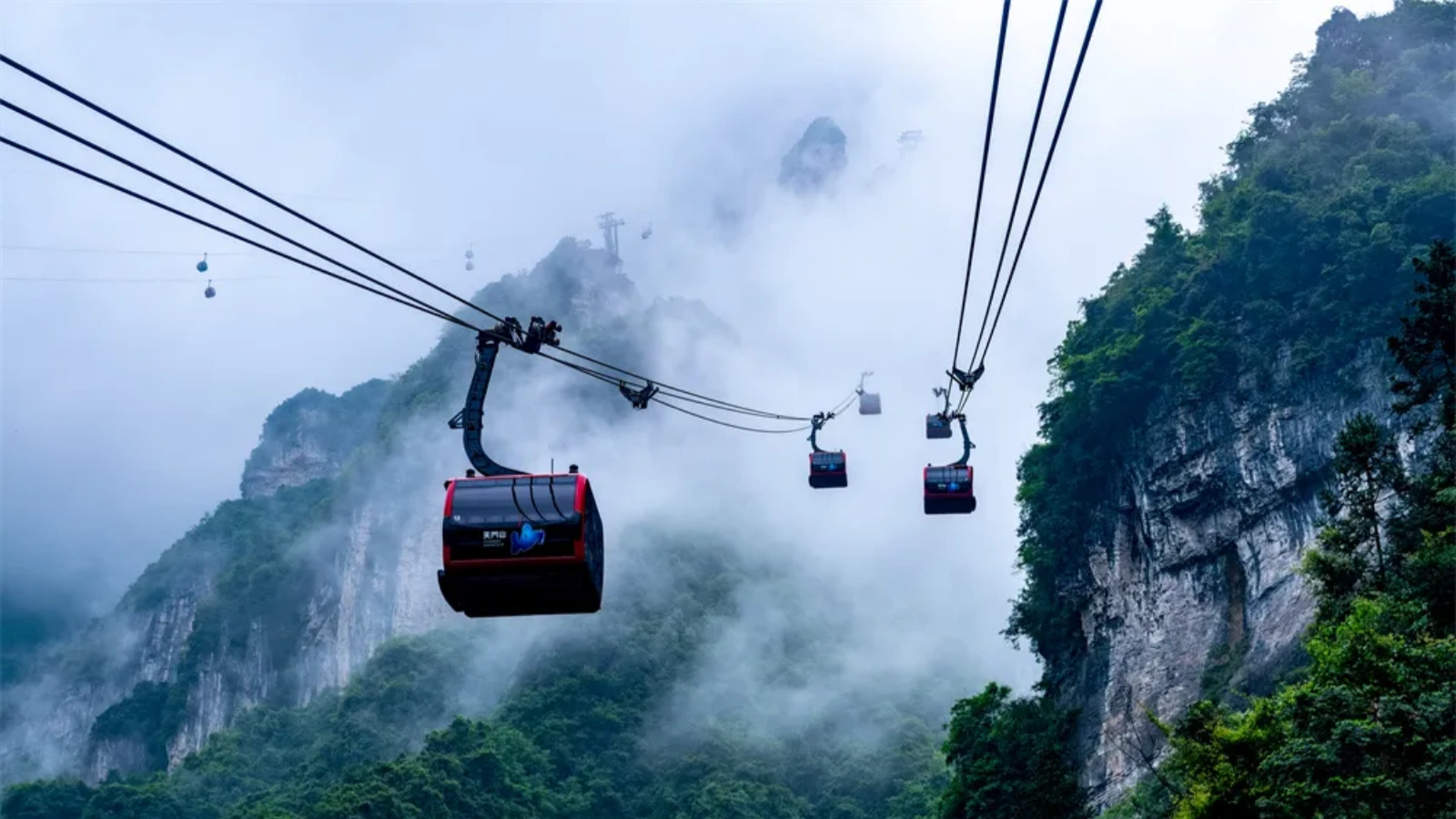
Zhangjiajie Glass Skywalk Students travel to Zhangjiajie by flight or train and begin their exploration with the Tianmen Mountain Cable Car, one of the world’s longest cable car rides, offering panoramic views of cliffs, forests, and valleys. The Glass Skywalk allows students to experience the unique geography safely while learning about geological formations and environmental conservation.
The evening includes guided reflection and discussion, helping students connect their adventure with scientific and ecological concepts.
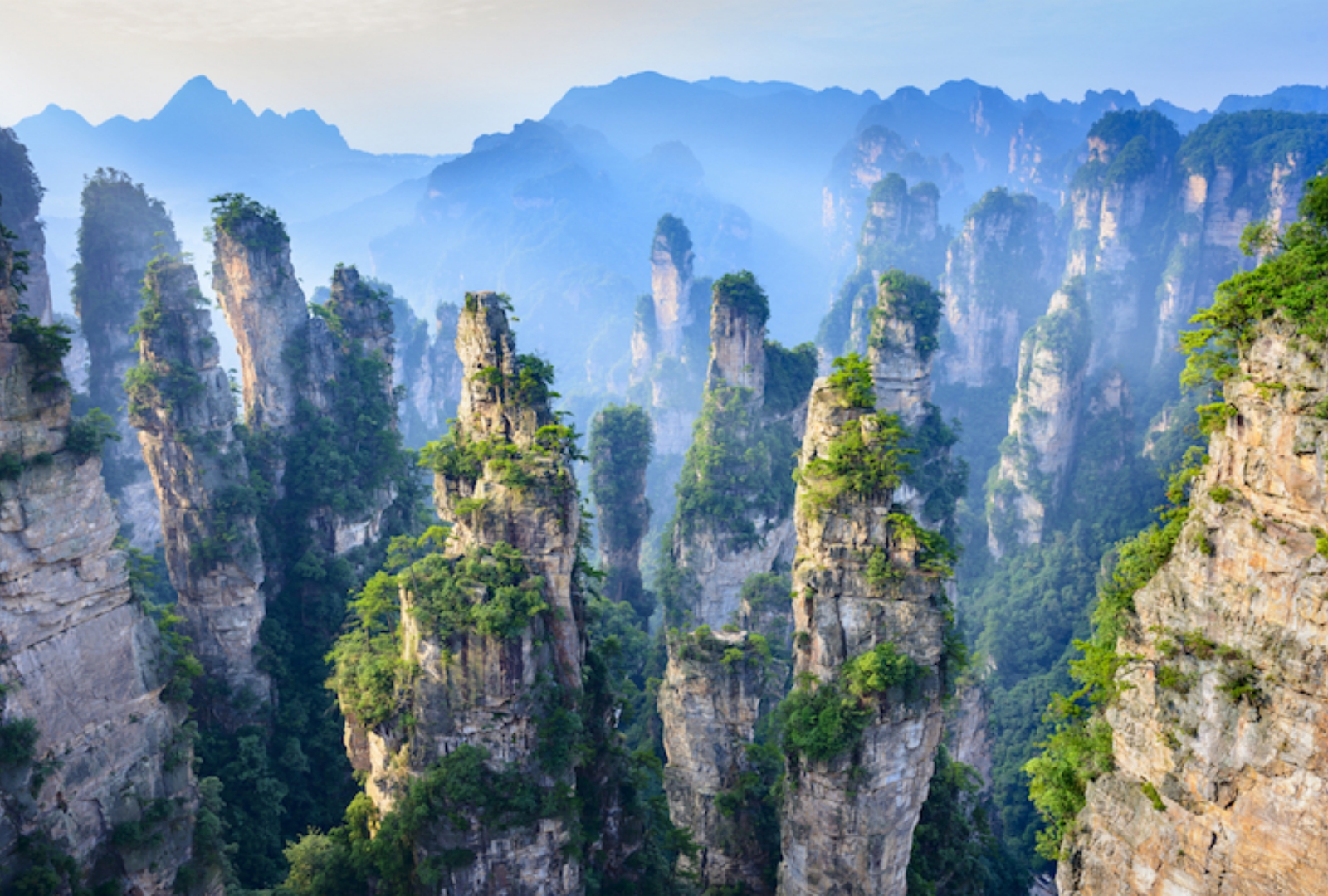
Zhangjiajie National Forest Park A full day in Zhangjiajie National Forest Park immerses students in the park’s unique karst landscape, including Yuanjiajie, the inspiration for the “Avatar Hallelujah Mountains,” and Golden Whip Stream, where students learn about biodiversity, geology, and ecosystem preservation. Educational guides explain the formation of quartz-sandstone pillars, the importance of forest conservation, and local flora and fauna. Students engage in moderate hikes, observation exercises, and group discussions to encourage experiential learning, reflection, and teamwork.
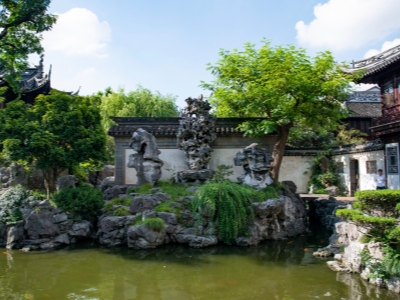
Yu Garden After a morning flight to Shanghai (About 2 hours), students begin with a walk along the Bund, studying the city’s colonial architecture, historical development, and economic transformation.
A visit to Yu Garden introduces Ming Dynasty architecture, traditional Chinese garden design, and urban planning principles.
In the evening, students explore Nanjing Road, Shanghai’s commercial hub, observing modern urban life, international influence, and contemporary commerce. Throughout the day, guides highlight contrasts between historic and modern urban China, encouraging students to analyze urbanization, architecture, and cultural evolution.
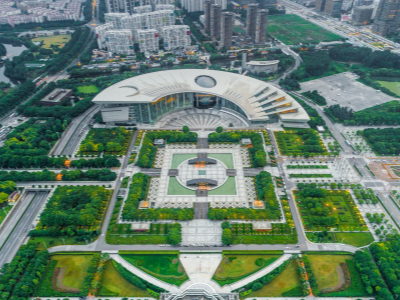
Shanghai Science and Technology Museum Students spend the morning at the Shanghai Science and Technology Museum, participating in interactive exhibits on robotics, space exploration, and sustainable technology. In the afternoon, the group visits the Shanghai Museum, exploring Chinese art, calligraphy, ceramics, and ancient artifacts, connecting history to visual culture.
Optional visits include the Oriental Pearl Tower for panoramic views and lessons in urban design, or a Huangpu River cruise, illustrating the city’s strategic geography and commercial importance. The day integrates STEM education, art, and cultural understanding into a cohesive learning experience.
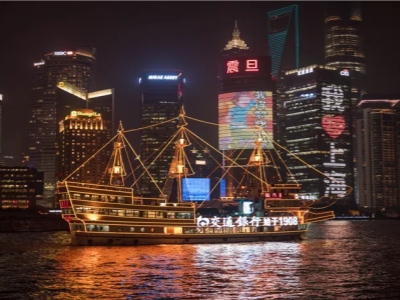
Huangpu River cultural boat tour Students start the day with a visit to Shanghai Urban Planning Exhibition Center, where they learn about the city’s transformation from a historic riverside town to a global metropolis. The interactive models and multimedia displays highlight urban development, architecture, and sustainable city planning, allowing students to compare Shanghai’s growth with their own cities.
In the afternoon, the group visits M50 Art District, an area showcasing contemporary Chinese art, galleries, and studios. Students engage in discussions about modern creativity, visual culture, and cultural expression, connecting their understanding of traditional Chinese art with contemporary practices.
The day concludes with a Huangpu River cultural boat tour (optional), combining sightseeing with lessons on Shanghai’s strategic geography, international trade history, and modern economic development. Throughout the day, students participate in guided reflection exercises, linking urban planning, innovation, and cultural heritage with global perspectives.
The trip concludes with a private transfer to Shanghai Pudong International Airport. Students participate in a farewell reflection session, summarizing their experiences and insights. Teachers and guides facilitate discussions on cultural understanding, personal growth, and academic connections, encouraging students to retain and share their learning from China’s history, culture, nature, and modern society.
MAKE AN INQUIRY TOP